Maximizing Leasehold Improvements: A Guide for Commercial Tenants

Leasing a commercial space is not merely a transaction; it’s an opportunity for business expansion and customization. One of the core incentives this transaction offers is leasehold improvements, often referred to as a “build-out” or “fit-out” in the commercial real estate vernacular. When executed strategically, these improvements can significantly enhance the functionality and appeal of your business premises.

In this comprehensive guide, we’ll walk you through the complex world of commercial tenant improvements, empowering commercial tenants with the knowledge needed to turn a blank canvas into a dynamic business environment that reflects your brand and elevates your operations.

Call 317-253-0531 for Commercial Leasehold Improvements in Indianapolis Indiana

Understanding Leasehold Improvements

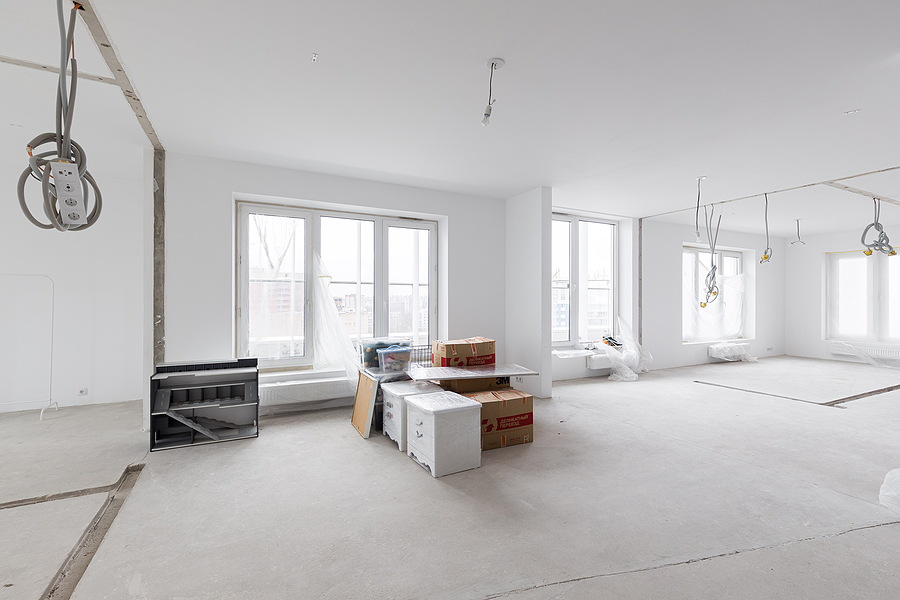
Leasehold improvements broadly encompass any alteration to a leased space undertaken to customize it for the specific needs of the tenant. These alterations could range from simple paint jobs to full-scale renovations, such as partitioning a large open space into private offices or adding fixtures and equipment unique to the tenant’s business.

Types of Commercial Tenant Improvements

There are various types of commercial tenant improvements, each with unique benefits:

Cosmetic enhancements: These include painting, new carpeting, and minor wall adjustments. They are usually the most straightforward and cost-effective upgrades, yet they can do wonders for the aesthetics and atmosphere of the space.

Functional improvements: Think of these as upgrades to the “engine room” of your office—things like electrical work, HVAC adjustments, and installing or modifying utilities to accommodate specialized equipment.

Structural changes: These are significant modifications that can impact the building itself, such as adding or removing walls, changing the floor plan, or altering the layout of the space. They often require more complex planning and compliance with building codes.

Benefits for Businesses

The significance of commercial leasehold improvements for businesses cannot be overstated. By tailoring your commercial space to your unique operational requirements and aesthetic goals, you create an environment that can boost employee morale, improve workflow efficiency, and enhance customer experience. Financially, these renovations can also add value to your business, improving asset base and the ability to resell your business in the future if tenant improvements are done well.

Negotiating Leasehold Improvements

Negotiating for the right to make tenant improvements during your lease term is a critical part of the leasing process. Many first-time tenants underestimate the importance of this negotiation. Here are key points to consider:

Tips for Negotiating with Landlords

Start Early: Space planning and preconstruction are key elements in the process. Begin discussions about desired renovations and repairs before the lease is finalized or use sketches and notes to convey your vision to the landlord.

Be Clear and Detailed: Develop a thorough scope of work outlining each renovation or repair you’re proposing. Clarity and detail reduce ambiguity and the potential for disputes.

Understand Landlord’s Perspective: Landlords are typically more amenable to tenant improvement plans that add value to the property. Frame your requests in terms of sustainability and long-term asset enhancement.

Cost Considerations and Budgeting

Factor in the Unknowns: Construction projects often have unforeseen costs. A good rule of thumb is to budget at least 10-15% of the construction cost for unexpected expenses.

Assess Long-Term Expenses: Consider the energy efficiency and ongoing maintenance costs of new systems and fixtures. The initial investment in a higher quality system or material could lead to long-term savings.

Consult a Construction Company Early: Commercial general contractors can provide ballpark figures based on similar past projects. Involving them early can prevent over-engineering or under-bidding on work.

Execution of Commercial Tenant Improvements

Once the negotiation phase is complete, the focus shifts to executing the renovations or remodels. This is the stage where the plans become reality, and it’s crucial to manage the process with precision.

Hiring a Commercial General Contractor and Managing Timelines

Choose a Company with Experience: Look for a construction company that specializes in commercial projects and understands the unique demands of your business sector.

Create a Realistic Timeline: Work with your construction contractor to establish a timeline that aligns with your business needs, as delays can have a significant impact on your operations and bottom line.

Communicate Openly and Often: Regular communication with your construction manager can help to identify and solve problems early, keeping the project on track.

Compliance with Regulations and Agreements

Permitting and Codes: Be aware of the local building codes and permitting processes. Failure to comply can lead to costly delays or worse—legal ramifications.

Insurance and Liabilities: Understand what your insurance covers and make sure your commercial general contracting team (and any subcontractors) have their own policies. Clarity on liability can protect all parties involved.

Protect Leaseholder Rights: Ensure that the lease clearly specifies tenants’ rights and obligations regarding improvements. This can protect you if the landlord sells the property during the lease term or if there is a dispute regarding the condition of the space at the end of the lease.

Maximizing Value from Tenant Improvements

The key to maximizing the value of commercial tenant renovations is to approach the process holistically, balancing the short-term benefits with long-term business goals.

Enhancing Functionality and Aesthetics

Design with Efficiency in Mind: Work with an architect or interior designer to ensure the layout and design of your renovations optimize the space for your business needs.

Choose Durable Materials: In high-traffic areas, durability is key. Look for materials that can withstand the demands of a commercial environment without sacrificing style.

Acoustics and Comfort: Renovations that enhance acoustic, reduce noise, and provide ergonomic workspaces can lead to a more productive and comfortable work environment.

Long-Term Benefits for the Business

Scalability: Design your improvements with potential future growth in mind. Can walls be easily moved? Are utilities accessible for future expansion?

Technology Integration: Ensure your space is designed to accommodate current and future technological needs, from data cabling to power needs for modern office equipment.

Sustainability and Energy Efficiency: The commercial world is increasingly focused on sustainability. Consider energy efficiency improvements that reduce your environmental impact and operating costs, like energy-efficient lighting and advanced building management systems.

Conclusion

The process of commercial tenant leasehold improvements is a significant opportunity for commercial tenants to mold their workspace in a way that directly supports their business objectives. By understanding the intricacies of this process—from negotiating the initial permit to the execution of the project—and focusing on the long-term value rather than short-term costs, tenants can gain a competitive edge in the commercial real estate market.

If you’re a commercial tenant preparing for a lease negotiation or improvement project, the expertise of a professional commercial general contractor can be invaluable. They not only bring construction know-how to the table but can also provide insight and advice derived from experience with similar projects in their portfolio.

Don’t leave the potential of your commercial space untapped; with the right approach to leasehold improvements, you can create a dynamic environment that sets the stage for your business to thrive. Contact BAF Corporation at 317-253-0531 to speak with an expert Indianapolis commercial general contractor about your options for tenant improvement remodeling and more. We serve clients in all industries and throughout all of Central Indiana.

Related Posts:

Essential Repairs to Do Before Listing Your Commercial Office Space on the Market
Tenant Improvements: Enhancing Your Commercial Space
Understanding Landlord-Funded Build-Out Allowances in Indiana

Understanding Landlord-Funded Build-Out Allowances in Indiana

Navigating the intricate world of commercial leasing can be daunting, especially when it comes to understanding complex clauses like the build-out allowance. Whether you’re a prospective tenant eyeing a new space, a landlord assessing property value, or an investor seeking the best ROI, your understanding of this critical component needs to be as polished as the walls of your up-and-coming storefront. This piece is your keystone in decoding the landlord-funded build-out allowance specifically within the legal scope and practices of Indiana.

Call 317-253-0531 if You Need Commercial Office Build Out Contractors in Indianapolis

Delving Into Build-Out Allowances

Before we get into the nitty-gritty of Indiana’s build-out allowances, it’s pivotal to understand what this term encapsulates. Essentially, a build-out allowance is an agreement within commercial leases where the landlord provides funding, typically calculated in cost per square footage, to the tenant for customizing or improving the space. Significantly, this clause acts as a tug-of-war rope, shifting the cost, and, relatedly, the benefits between tenant and landlord.

The Significance for All Parties Involved

For tenants, such allowances can mean significant cost savings and the chance to tailor a space to fit their operational and branding needs without hefty upfront expenses. Meanwhile, landlords capitalize on the allure of a customized space, attracting long-term tenants and potentially increasing the property’s value.

Indiana’s Lease Landscapes

Indiana, holding its own in the commercial real estate market, has its distinct set of regulations and common practices related to build-out allowances. These rules often vary greatly from those in neighboring states, which is why a state-specific understanding is essential.

Terms and Traditions in Hoosier State Leasing

Indiana leases commonly offer build-out allowances that are more generous than tenants might find elsewhere. These allowances are not only beneficial for the tenant but are smart investments for landlords aiming to set their properties apart in a competitive market.

Laying Out Perks for Commercial Tenants

Tenants are the direct beneficiaries of build-out allowances. Actively engaging with the allowance can have a series of favorable outcomes for businesses large and small.

Cost Savings and Customization Opportunities

These allowances extend substantial cost savings to tenants, with landlords often shouldering up to 100% of the build-out costs. Beyond finances, this provision facilitates the physical manifestation of a company’s brand and culture, vital in customer recognition and staff morale.

A Boost to Property Value

Tenants armed with a well-executed build-out plan can inadvertently enhance the property’s value. A space uniquely fitted to the tenant’s operations is likely to secure longer lease terms and a more profitable asset for the landlord.

Strategies for Property Managers

Property managers serve as the bridge between tenants and landlords, and understanding how to tactfully manage build-out allowances is a craft that’s perfected with the right approach.

The Art of Negotiation

Property managers must hone the art of negotiation. They should be adept at balancing a tenant’s needs with a landlord’s financial limits, often requiring a deep understanding of the local market for cost estimation.

Timing and Financial Foresight

Managing expectations is crucial; property managers must confidently set realistic timelines and financial projections for build-out projects. Mismanagement could sour the tenant-landlord rapport and disrupt the property’s long-term performance.

Real Estate Investor Perspectives

For real estate investors, understanding the implication of build-out allowances can significantly impact their decision-making processes.

Seizing Investment Opportunities

Savvy investors are always on the lookout for properties that hold potential for value addition. Coupled with a strategic build-out allowance, such opportunities become goldmines for investors looking to maximize their returns.

Evaluating the ROI

Assessing the ROI potential of a property investment with a build-out clause is critical. It’s not just about the initial costs but also the long-term gain from having a property that’s in high demand due to customized, well-maintained spaces.

Key Takeaways

Build-out allowances in commercial leasing are not one-size-fits-all. The complexity of the Indiana statutes and the multifaceted approach needed in dealing with these clauses require informed and strategic decision-making. Tenants, property managers, and investors alike must harness their knowledge of these allowances to turn commercial real estate into a realm of opportunity rather than venture into it as uncharted territory.

By grasping the nuances of Indiana’s distinctive approach to build-out allowances, commercial parties can foster environments where tenants thrive, landlords gain, and investment potential is maximized. It’s with this concerted knowledge and action that the market will continue to evolve and grow, responding to both the economic currents and the innovative spirit that is uniquely Indiana.

Ready to transform your commercial space into a tailored, thriving business environment in Indianapolis, Indiana? Contact BAF Corporation at 317-253-0531, today! Our expert team specializes in full-service tenant improvements and commercial build-outs, ensuring your space not only meets but exceeds your expectations. Make the most of your build-out allowance with professionals who know exactly how to bring your vision to life while maximizing your investment. We serve all corporate, commercial, and industrial industries in Indy and its surrounding districts.

Related Posts:

Frequently Asked Questions About Commercial Interior Build Outs
Who Pays For a Commercial Interior Build-Out?
4 Tips for Planning a Tenant Occupied Building Renovation

Key Considerations Before Leasing a Retail Space for a Healthcare Clinic

Starting a healthcare clinic is more than just about offering the services needed; it’s about the environment in which those services operate. Choosing the space that your clinic will call home is crucial. It not only contributes to your clinic’s branding and patient experience but also plays a significant role in the day-to-day efficiency of your operations.

Whether you’re a medical professional venturing into private practice or an established clinic looking to expand, the process of finding and leasing a retail space warrants a strategic and meticulous approach. This guide is a compass to steer you through the nuances of leasing retail space for your healthcare clinic.

Call 317-253-0531 for Healthcare Clinic Space Planning and Remodeling in Indianapolis

Retail Space in the Healthcare Sector

Before the first patient walks through your door, your clinic’s location and layout should be prescribed for success. The significance of this decision is often underestimated, and missteps can lead to a host of operational challenges that could stymie your healthcare business. From selecting a location that’s accessible and demographically suitable to ensuring the space complies with healthcare regulations, every parameter requires a detailed evaluation.

The healthcare sector isn’t just about providing treatment; it’s an ecosystem of patient trust, community needs, and professional efficacy. Your retail space is the first chapter in your clinic’s narrative, and it must align with these values cohesively.

Choosing a Location

Navigating Demographics

Understanding the community you’ll be serving is pivotal. Analyzing the local population’s size, age, income level, and the healthcare needs that might be underserved will help you tailor your services. Interactive maps and demographic data can guide these decisions, ensuring that the location is a good fit for the type of clinic you envision.

The Competition Conundrum

Competition can be both a boon and a bane. While a location with more established healthcare facilities may suggest a high-traffic area, it could mean facing a battle for market share. Research what’s available, identify the white spaces, and position yourself strategically.

Accessibility and Foot Traffic

Proximity to public transportation, parking facilities, and even the layout of the space from a patient’s perspective matter. Accessibility compliance isn’t just a legal obligation; it’s about making your clinic welcoming and user-friendly to all patients, including those with mobility challenges.

Space Requirements

The Blueprint of Care

The layout of healthcare spaces is distinct. It needs to be efficient, with a clear division of patient areas, staff zones, and spaces for equipment and records. A well-designed space can streamline patient workflows and staff operations, leading to better outcomes and experiences.

Size Matters

Balancing the size of the clinic with your current needs and future ambitions is delicate. Overcrowding due to a space too small can be off-putting to patients, while underutilized, large spaces can be an unnecessary financial burden. Projecting your growth and ensuring the space can accommodate it is foresight that pays dividends.

Zoning and Healthcare Regulations

Healthcare facilities have specific zoning requirements and breaking the law (even unknowingly) can have severe repercussions. Ensure your intended space is zoned for healthcare use or if not, understand the steps required to change its designation.

Lease Terms and Negotiation

Deciphering Lease Agreements

Lease agreements can be cryptic with legal jargon, but understanding the terms is not negotiable. Be clear on your rent, what it includes, and any extras. Know your obligations and rights as a tenant, especially maintenance responsibilities related to the space.

Rent and Renewal Options

Budgeting for your lease should be comprehensive. Don’t just consider the monthly rent but also factor in annual increases, common area maintenance fees, and any utility costs. Negotiate renewal terms upfront to secure the space for the long term if it’s beneficial to your practice.

Lease Duration and Flexibility

While you may be keen on securing a long lease, flexibility is also crucial for unforeseen changes. Short-term leases with clear renewal clauses can provide the security you need without the commitment that could stifle adaptability.

Amenities and Infrastructure

The Necessities

From waiting rooms to examination areas, consultation rooms to restrooms, assess the non-negotiable elements your clinic space must have. This includes electricity, plumbing, and a safe and secure environment compliant with OSHA standards.

Parking and Accessibility

An adequate parking area or easy access to public transport can significantly alleviate patient stress and improve their experience. Remember, some of your patients may have mobility challenges, and thus, accessibility should extend beyond the entryway.

The Technology Ecosystem

Today’s clinics rely on technology for everything from patient management to equipment operation. The space should support a robust IT infrastructure, and it should be designed to accommodate future advancements without major disruptions.

Compliance and Regulations

Zoning Laws and Building Codes

Before you sign on the dotted line, ensure all zoning and building codes are met within the space. This may include specific regulations for healthcare facilities and compliance with the Americans with Disabilities Act (ADA).

Permit Procurement

Leasing a healthcare space may require you to obtain various permits before you can operate. This could range from simple construction permits for renovation work to healthcare specific licenses. Know the process and timeline for securing these documents.

Foreseeability Cost Analysis

Retail Space Lease Cost

Looking at the cost of the lease only scratches the surface. Factor in the costs of any necessary renovations, equipment procurement, utilities, insurance, and any taxes or fees applicable to your occupancy of the space.

Renovations and Aesthetic Integrity

Renovations might be necessary to turn a retail space into a clinic. Consider cost-effective design choices that align with your branding and the need for a sterile, professional environment.

Ongoing Operational Expenses

Leasing isn’t just about rent; you’ll have ongoing utilities, maintenance, and possibly staffing costs associated with running the clinic. Make sure you have a solid understanding of all these expenses.

Marketing and Visibility

Location Marketing

Your clinic’s location should factor into your marketing strategy. Use the uniqueness of the space, its history, and its accessibility in your branding and promotional materials.

Signage and Curb Appeal

Your exterior façade should invite patients inside. Well-lit and professional signage, complemented by clear wayfinding, helps establish your clinic as a trusted healthcare provider before the first consultation.

Leveraging the Inherent Foot Traffic

If your space is in a bustling retail area, consider how you can convert the surrounding foot traffic into patient appointments through events, specials, or even just engaging storefront displays.

Conclusion

Before you sign a lease, conduct thorough due diligence. While the process may seem daunting, it’s a rewarding investment in your clinic’s future. Engage with local professionals, commercial real estate agents, and construction experts who understand the unique needs of healthcare spaces. A successful partnership with these entities can assure that every decision from the location of your clinic to the final design embodies your practice’s values and commitment to patient care.

Most importantly, take the time to tour the prospective space with the lens of a patient and a provider. Your retail space is more than your clinic’s address; it’s the first step in your patient’s health journey and the foundation of your practice’s legacy.

Are you looking for space planning and remodeling guidance for a new retail space or healthcare clinic here in Indiana? Contact BAF Corporation at 317-253-0531 for help with everything from space planning and permitting to healthcare construction, tenant remodeling, and retail franchising in Indianapolis, Indiana. We serve clients all throughout the state.

Related Posts:

Healthcare Facility Construction Considerations for 2022
Benefits of Converting Vacant Mall Space into Medical Facilities
3 OSHA Guidelines For Illnesses and Injury Prevention in Medical Facilities

Is Light Industrial Construction Right For Your New Build?

Industrial construction, often associated with vast spaces and bulky equipment, has experienced a transformation. The emergence of light industrial construction has brought with it a fresh take on efficiency, sustainability, and adaptability. But is this innovative approach to construction suitable for your new project?

If you’re a real estate developer, commercial property owner, or business owner considering a new build, this comprehensive guide will walk you through the valuable aspects of light industrial construction, helping you decide if this is the right path for your next venture.

Call 317-253-0531 for Light Industrial Construction Solutions in Indianapolis Indiana

Understanding Light Industrial Construction

In its essence, light industrial construction refers to a building framework designed according to specific industry standards that encourages smooth and efficient operations. This type of construction is characterized by steel or concrete structures with large open spaces to allow for functional movement and optimal workflow. Its primary goal is to create spaces that accommodate equipment, inventory, and operational needs without sacrificing aesthetics or comfort.

The Modular Edge

One of the key advantages of light industrial construction is its modular design, allowing for a quicker build thanks to prefabricated elements. This not only cuts down on construction time but also reduces expenses by minimizing waste and optimizing material usage.

Eco-Friendly Footprint

Light industrial construction is more environmentally friendly than its traditional counterparts. The emphasis on sustainability includes the use of energy-efficient materials, waste reduction systems, and sustainable building practices, which can all lead to a smaller environmental footprint for your project.

Considerations for Real Estate Developers

For real estate developers, a project’s success hinges on a delicate balance of factors. Light industrial construction offers several unique advantages over traditional building methods that can significantly impact the development process.

Cost-Effectiveness

The modularity of light industrial construction can substantially reduce overall costs. With less time spent on-site assembling components, labor costs can decrease, and you’re less likely to encounter surprise cost overruns.

Speed of Construction

Faster construction times mean earlier occupancy and quicker returns on your investment. Light industrial construction’s simplified building techniques and minimized dependencies on factors like weather or labor shortages contribute to rapid project completion.

Flexibility in Design

Developers often need to pivot quickly to meet market changes. The design flexibility offered by modular construction allows for easy adaptations, should you need to modify your units to meet new demand or comply with zoning regulations.

Benefits for Commercial Property Owners

Commercial property owners stand to benefit the most from the long-term advantages that light industrial construction provides.

Maintenance Requirements

Light industrial buildings typically have lower maintenance needs, thanks to the durable materials and rigorous engineering. This can translate to significant ongoing savings and a reduction in maintenance-related headaches.

Energy Efficiency

With a growing emphasis on green practices, the energy efficiency inherent in light industrial construction can be a major selling point. Lower energy costs can make your property more attractive to environmentally conscious tenants and businesses.

Scalability

Modern enterprises need space that can grow with them. The scalable nature of light industrial construction means you can easily expand existing structures without major disruption or the need for additional large-scale construction.

Is Light Industrial Construction Suitable for Business Owners?

If you’re considering a light industrial project from the perspective of a business owner, it’s important to weigh the unique benefits of this construction method against your specific operational needs and the regulatory landscape of your industry.

Customization Options

Your business needs are often highly specialized. Light industrial construction’s adaptability allows for custom-built spaces that precisely match your operational demands, increasing productivity and efficiency.

Operational Efficiencies

The open layouts and flexible designs encourage streamline workflow and process optimization. Business operations can benefit from a work environment tailored to support the specific needs of your industry.

Regulatory Considerations

Different industries come with various building code requirements. Engaging with construction companies well-versed in light industrial building can ensure your project complies with all the necessary regulations, avoiding potential setbacks or additional costs.

Conclusion

Light industrial construction stands as an innovative solution that emphasizes efficiency, adaptability, and sustainability without compromising on the functionality or appeal of the end product. Whether you’re a real estate developer seeking a competitive edge, a commercial property owner pursuing a sound investment, or a business owner looking for a conducive space to enhance your operations, the unique features of light industrial construction merit serious consideration.

In a world where business landscapes are ever-evolving, the agility and cost-effectiveness that light industrial construction offers can be a decisive factor in the success of your new build. As you explore the possibility of employing this method for your construction needs, take the time to conduct thorough research, seek out experienced professionals, and evaluate how these approaches align with your long-term objectives.

Should you choose to take this path, you’ll be stepping into a new era of industrial construction, well-prepared to enjoy the benefits this modern approach can offer. Remember that every project is as unique as the people behind it, and the best decisions are those informed by a careful and informed consideration of all options available. Your venture deserves nothing less.

Are you preparing to dive into the world of industrial or factory construction planning? Contact BAF Corporation at 317-253-0531 for professional industrial construction services in Indianapolis, Indiana. We serve commercial and industrial clients all throughout Central Indiana.

Related Posts:

Factors to Consider When Planning Commercial Warehouse Construction
Cost Savings Tips for Industrial Building Construction
Types of Drywall Textures Recommended for Commercial and Industrial Buildings

Navigating Indiana Commercial Building Codes: Everything You Need to Know

Developing a commercial property in the vibrant state of Indiana is an exciting venture. Whether you’re an established Real Estate Developer or a burgeoning Business Owner looking to expand, the process of construction is a critical stage that demands your utmost attention. Understanding the commercial building codes of Indiana is not only a legal requirement but a foundational step in ensuring the safety and functionality of your future space.

This comprehensive guide is designed to demystify the intricate web of Indiana’s commercial building regulations, providing you with the knowledge to navigate this essential aspect of your commercial development project.

Call 317-253-0531 to Speak With a Commercial Construction Contractor in Indianapolis

Understanding Indiana Commercial Building Codes

When embarking on a commercial construction or renovation project in Indiana, adherence to building codes is non-negotiable. These codes are designed to establish minimum standards for the construction and occupancy of buildings to safeguard public health, safety, and general welfare. Indiana enforces a set of technical codes that are updated regularly to reflect national standards and best practices. The regulatory scope covers a wide range of aspects in construction, including structural integrity, fire safety, energy efficiency, and accessibility.

The Indiana Department of Homeland Security (IDHS) is the state entity responsible for aspects of building safety, including fire and building safety regulations. Local jurisdictions, such as counties and cities, enforce these state regulations, often tailoring certain aspects to reflect the nuances of their communities. It’s imperative to be aware of your local building commission or authority having jurisdiction (AHJ), as they are the primary enforcers of commercial building codes at the local level.

Key Areas Covered by Indiana Commercial Building Codes

Structural Requirements

The structural design of a commercial building must comply with stringent criteria to ensure it can withstand the forces it will encounter during its lifespan. This includes calculations for building loads, wind resistance, and even seismic considerations in certain regions.

A licensed structural engineer plays a vital role in ensuring that your design and materials are up to code, and their approval is often required before project approval is granted. Local AHJs may also conduct inspections throughout the construction process to verify compliance.

Fire Safety Regulations

Fire prevention and safety in commercial buildings is a top priority. Indiana’s commercial building codes incorporate standards for fire-resistive materials, means of egress, fire suppression systems, and more. Requirements may vary depending on the building’s use and occupancy classification, with higher standards for public spaces and buildings housing vulnerable populations.

Developers and business owners must ensure their properties are equipped with the necessary fire safety measures, such as suitable alarm systems, fire exits, and extinguishing systems. Periodic inspections by the fire marshal are common, especially for high-occupancy structures.

Accessibility Standards

Commercial properties must be accessible to individuals with disabilities as per the Americans with Disabilities Act (ADA). Indiana’s building codes reflect the federal requirements for accessibility, specifying the design parameters for elements such as parking spaces, ramps, doorways, and restrooms.

Consideration for accessibility should be integrated into the design process from conception to completion. The involvement of an ADA consultant and regular check-ins with AHJ can help to ensure that your property meets the necessary accessibility standards.

Energy Efficiency Guidelines

Indiana has adopted energy codes that align with national standards such as the International Energy Conservation Code (IECC). These codes aim to reduce energy consumption in all types of buildings through the regulation of building envelope, mechanical systems, lighting, and water heating.

Meeting these guidelines often involves detailed energy modeling and can influence the size and specifications of systems within your commercial property. Energy code compliance may also offer benefits such as reduced operating costs and improved marketability.

Implications for Commercial Developers and Business Owners

Navigating Indiana’s commercial building codes presents numerous implications, both during the planning and construction phases as well as upon the property’s eventual occupancy.

Compliance Costs and Time frames

The cost and time involved in ensuring your property meets code can be significant. Early engagement with a construction contractor familiar with local codes is crucial to mitigate unexpected expenses and delays.

Impact on Project Design and Construction

Code compliance often necessitates design adjustments that can impact the aesthetics, functionality, and cost of your project. Engaging with design professionals early in the process is key to integrating compliance measures seamlessly.

Legal and Financial Consequences of Non-Compliance

Failing to adhere to commercial building codes can result in serious ramifications, including delayed project approval, fines, and even litigation. Thorough documentation and clear communication with your construction team are essential to avoid non-compliance pitfalls.

Best Practices and Resources for Building Code Compliance

The complexity of Indiana’s commercial building codes makes it essential to approach code compliance strategically. Here are some best practices and resources to assist you in this endeavor.

Hiring Professional Commercial Construction Contractors for Code Compliance

Experienced commercial construction contractors are well-versed in navigating the various requirements and nuances of Indiana’s building codes. Their knowledge and expertise can prove invaluable in ensuring that your project meets all applicable regulations.

Staying Updated with Code Revisions

Building codes are not static and are subject to regular updates. Subscribing to newsletters, attending workshops, and maintaining dialogue with local building authorities will help you stay informed about any changes that could affect your project.

Utilizing Technology for Code Adherence

Technological tools like Building Information Modeling (BIM) and construction management software can enhance code adherence by providing a digital platform for comprehensive planning, tracking, and documentation of compliance efforts.

Conclusion

Understanding and adhering to Indiana’s commercial building codes is a guaranteed way to set your project on the path to success. The safety and accessibility of your building, along with its energy efficiency, are not just legal requirements but important considerations for the longevity and reputation of your property. Don’t wait until you’re neck-deep in the construction process to address code issues. Acting with foresight can save you both time and money. Start building a compliant and successful future today. By taking a proactive approach to code compliance, you not only fulfill regulatory obligations but also ensure the satisfaction of tenants and the community at large.

Your next step in mastering the commercial building codes of Indiana is to reach out to professionals in the industry who can offer guidance specific to your project. Contact BAF Corporation at 317-253-0531 for reputable commercial construction and remodeling in Indianapolis and its surrounding counties.

Related Posts:

Naturally Replenishing Energy Sources for Commercial Facilities
Ascertaining the Need for ADA Compliance Upgrades in a Commercial Remodel
3 OSHA Guidelines For Illnesses and Injury Prevention in Medical Facilities

The Art of Business Appeal: Elevating Your Space Through Quality Painting

Your place of business is a canvas waiting to reflect your brand’s message, values, and promise. This canvas, carefully adorned, can be the silent herald of professionalism and attention to detail that speaks volumes without a single word. In the bustling world of entrepreneurship and commerce, the aesthetic appeal often takes center stage, impacting not only the customer’s first impression but also the longevity of your brand’s image. Let’s delve into why quality painting is not just about bright colors and fresh coats but is fundamental to your business’s aesthetic strategy.

Call 317-253-0531 for Commercial Painting Solutions in Indianapolis

The Impact of Business Aesthetics

First Impressions and Customer Perception

The human brain processes visual information 60,000 times faster than text. What this means is that before your customers read a sign, they will have already made an impression based on what they’ve seen. A tired, discolored façade or an indoor space bearing the battle scars of neglect can set a tone of dilapidation that’s hard to shake. On the other hand, thoughtfully painted interiors and exteriors can create a dynamic statement that captures and holds attention, showcasing a brand at its finest.

Influence on Brand Image and Reputation

Every brushstroke is an opportunity to mold your brand’s image. Is your business quirky and vibrant? Or perhaps sleek and modern? The colors, patterns, and care put into your space’s aesthetic are key to conveying this. Consistency in your brand’s aesthetic, from the website to the office walls, builds a coherent story and fosters greater trust and recognition among your clientele.

Creating a Welcoming and Professional Environment

Beyond the brand-specific choices, there are universally inviting aesthetics that can transform any space. A warm yet professional environment can be crafted with the right color palette and layout. This is not just about the style but the fusion of visual stimuli to create an ambience that encourages both clients and employees to feel at ease and ready to engage.

Why Quality Painting Matters

Durability and Longevity

A painting job is an investment, and like any investment, you seek returns. Quality paints are more than just pretty—they’re tough. They resist the marks, scuffs, and even some of the harshest elements that might batter lesser coatings. They keep your business looking new, and that’s a message to visitors that yours is a brand that stands the test of time.

Enhancing Visual Appeal and Aesthetics

The essence of quality painting is not merely in the application of color but in the craftsmanship that produces a flawless finish. Skilled painters will know how to address imperfections, ensuring smooth, even surfaces that showcase the chosen design to its best advantage. This, in turn, elevates the visual appeal and the luxury of aesthetic experience.

Reflecting Professionalism and Attention to Detail

You wouldn’t show up to a meeting with a client looking anything less than your best. Your business space deserves the same respect. Attention to the quality of painting is an overt reflection of the level of care and attention your business operates with ― a subtle yet powerful indication of the quality of your products or services.

Choosing the Right Painting Contractor

Importance of Experience and Expertise

A professional commercial painter with years in the industry brings not just technical skills but a wealth of insights into design, color psychology, and novel techniques that can transform the mundane into the extraordinary. An experienced painting contractor is a collaborative partner in your aesthetic vision.

Checking for Licensing and Insurance

As with any aspect of your business, safety and professionalism cannot be compromised. Always choose a contractor with the necessary licenses and insurance to protect both you and their workforce. This ensures accountability and the peace of mind that comes with it.

Reviewing Portfolios and Client Testimonials

A painter’s past work is a crystal ball of your future results. Take the time to peruse their portfolios and, if possible, visit sites where they’ve worked. Word-of-mouth testimonials from previous clients add the layer of trust that is earned through consistent excellence.

Additional Considerations:

Color Psychology and Its Impact on Business

Colors are not neutral; they carry meaning and influence emotion. Blue is often associated with trust and stability, while yellow can evoke energy and optimism. These nuances can be harnessed to create an environment that supports and resonates with your business goals. Understand the subtleties of color psychology to leverage them effectively.

Maintenance and Upkeep of Painted Surfaces

The beauty of a newly painted space is a sight to behold. But to keep that beauty, regular maintenance is a must. Educate yourself on the best practices to maintain the vibrancy of your painted surfaces. Simple steps like routine cleaning and addressing damages promptly can significantly extend the life of your paint job.

Industrial Colors for Factories

In the realm of industrial facilities, the choice of paint colors goes beyond mere aesthetics; it’s a crucial element for safety and productivity. Safety yellow, for instance, is a standardized hue that’s instantly recognizable, used to delineate walkways, mark physical hazards, and signal caution. Similarly, clean white or light gray can optimize lighting by reflecting more luminance within the space, contributing to a safer and more energy-efficient work environment. When selecting these shades, it’s important to understand that each color serves a distinct purpose.

Conclusion

The narrative woven through paint and brush is as powerful as any business strategy. It communicates value, stirs emotions, and sets the stage for your commercial narrative. It is an investment worth careful consideration and professional execution. As you embark on this chapter of your business’s visual story, let it be one entrenched in quality and mindfulness. After all, what your business ‘wears’ is as much a part of its identity as its name. It’s time to paint the picture of success with precision and purpose.

Are you planning an important commercial renovation or business remodel? Trust a pro for the best results. Contact BAF Corporation at 317-253-0531 when you need the most trusted and qualified commercial general contractors for painting and drywall service in Indianapolis, Indiana.

Related Posts:

What it Takes to Get the Best Commercial Interior Painting Finishes
Can a Commercial Paint Job Benefit My Business?
The Drawbacks of Painting Over Brick Building Exteriors

The Ultimate Guide to Commercial Flooring: Enhancing Your Business From the Ground Up

Choosing the appropriate flooring for your commercial space is more than just a design choice. It’s an investment that impacts aesthetics, safety, maintenance, and even the environment. As a facility manager or business owner, navigating the expansive world of commercial flooring can be daunting. From carpeting to concrete, each flooring type offers a unique set of advantages and drawbacks.

In this comprehensive guide, we’ll walk you through everything you need to know about commercial flooring, ensuring that you’re well-equipped to make a choice that sets your business up for success.

Call 317-253-0531 to Speak With an Indianapolis Commercial Flooring Contractor

Understanding the Core Types of Commercial Flooring

Commercial spaces such as offices, retail stores, and healthcare facilities often demand flooring solutions that can withstand significant wear and tear. Understanding the different types of flooring available will help you make informed decisions regarding your specific needs.

Carpeting: The Soft Underfoot Option

Carpeting is a popular choice in commercial settings, adding warmth and sound-proofing qualities. It’s available in a wide variety of colors and styles, making it a versatile design tool. However, the maintenance of commercial carpeting requires routine cleaning to prevent wear, tear, and the buildup of allergens and bacteria.

Vinyl: Resilient and Versatile

Vinyl flooring is durable, low maintenance, and comes in numerous colors, patterns, and textures. It can replicate the look of natural materials like wood and stone while providing a softer feel underfoot. As a cost-effective solution, vinyl remains a top choice for areas with heavy foot traffic.

Tile: The Enduring Classic

Tiles, such as ceramic or porcelain, are celebrated for their longevity and resistance to moisture, stains, and scratches. They offer a sleek, professional appearance and are relatively easy to maintain. However, broken tiles can be expensive to repair, making them a less flexible solution for dynamic commercial spaces. Grout lines can also be tricky to keep clean if they are not sealed properly.

Hardwood: The Elegant and Long-lasting Option

Hardwood floors exude elegance and are hardwearing, but they may require additional maintenance to keep them looking their best in a commercial environment. Wood floors are often a top choice for creating a sophisticated ambiance in high-end businesses like boutique shops and law offices.

Concrete: The Industrial Workhorse

Long seen as a utilitarian option, concrete’s versatility is now appreciated for its minimalist aesthetic. Stained or polished concrete flooring offers unique design opportunities, and its exceptional durability makes it a prime candidate for high-traffic areas, production spaces, and warehouses.

Factors to Consider When Choosing Your Flooring

Selecting the right commercial flooring is a complex decision that involves a range of factors beyond initial cost and visual appeal. It requires a thoughtfully balanced consideration of functionality, maintenance requirements, and the user experience.

Durability and Maintenance

High-traffic commercial areas need durable flooring that can withstand the daily grind. Consider the anticipated foot traffic, frequency of cleaning, and any special maintenance requirements when assessing a flooring type’s durability.

Aesthetics and Design

The visual appeal of a flooring choice can influence customer perception and employee morale. A well-designed floor can complement and enhance a space, creating a welcoming environment for clients and staff alike.

Cost and Budget

The initial cost of the flooring material is just the tip of the iceberg. When evaluating the total cost, factor in installation, long-term maintenance, and the flooring’s lifespan. While cost is a significant consideration, it’s important to balance it with long-term value.

Safety and Slip Resistance

Safety is non-negotiable in a commercial space. Factors like slip resistance and fire safety ratings should be thoroughly evaluated, especially in areas where these risks are higher, such as entryways and food preparation spaces.

Environmental Impact

The growing awareness of environmental responsibility has led to an increase in Eco-friendly flooring options. Evaluate products based on their material sourcing, manufacturing process, and ability to be recycled or reused.

Customizing Your Flooring Selection for Different Commercial Settings

Each type of commercial flooring has its ideal setting based on the unique demands of the space. Let’s explore how to tailor your flooring choice to suit various environments.

Offices and Workplaces: In a commercial office space, comfort and cleanliness are key. Carpet tiles may be a suitable choice, as they are easy to install and replace, provide insulation, and can help control noise levels.

Retail Stores: Retail spaces need flooring that can handle heavy foot traffic while also serving as a design element. Vinyl or hardwood can provide a balance of durability, aesthetics, and ease of maintenance.

Hospitality and Restaurants: For areas where cleanliness and quick turnaround are essential, such as hotel lobbies and restaurant dining rooms, polished concrete or high-quality ceramic tiles provide both a stylish and hygienic solution.

Healthcare Facilities: In healthcare environments, hygiene and maintenance are paramount. Non-porous, bacteria-resistant flooring materials, such as sheet vinyl, are recommended in patient rooms to reduce the risk of infection.

Educational Institutions: Schools and universities require robust flooring that resists damage from desks and chairs. Additionally, easy-to-clean surfaces like linoleum can manage the regular maintenance required in these bustling environments.

Commercial Floor Installation and Maintenance

The installation and ongoing care of your commercial flooring are as important as the choice of material itself. Neglecting proper maintenance can lead to premature wear and even pose safety hazards.

Hiring Professionals

Consulting with professional flooring contractors from the outset can prevent costly mistakes later. They have the expertise to recommend and install the right flooring for your space, ensuring it’s done correctly the first time.

Proper Cleaning and Maintenance Techniques

Implementing a regular cleaning and maintenance schedule is crucial for preserving the integrity of your commercial flooring. Whether it’s daily vacuuming, periodic deep cleaning, or refinishing, following manufacturer guidelines and professional advice will extend the life of your investment.

Repair and Replacement

Addressing any damage or wear promptly is essential for maintaining a professional appearance and safe environment. Repair and replacement options will vary based on the type of flooring, but again, professional guidance can help you navigate these challenges successfully.

In Summary

Investing in quality commercial flooring is investing in the foundation of your business. The right flooring can enhance your brand, provide a safe and productive work environment, and even contribute to your company’s sustainability goals. Take the time to assess your needs thoroughly, explore all the options available, and consider consulting with professionals to ensure the choice you make is the best one for your space, ensuring that your business is set to thrive from the ground up.

Are you ready to upgrade or install new flooring in your facility or office space? Contact BAF Corporation at 317-253-0531 for superior commercial flooring services in Indianapolis, Indiana. We serve all of Central Indiana and its surrounding locations.

Related Posts:

Routine Cleaning Tips for Commercial Polyurethane Flooring
Top Options for Soundproofing Commercial Floors
Why You Should Consider Epoxy Floor Coatings

Tenant Improvements: Enhancing Your Commercial Space

Tenant improvements (TIs) represent the transformative essence that can elevate a mundane commercial lease into a powerful, long-term branding and productivity opportunity. Whether you’re a tenant looking to make your space unique or a property manager aiming to improve your property’s appeal, the world of tenant improvements is vast and multifaceted.

In this comprehensive guide, we’re diving deep into the concept of TI, exploring every angle from the benefits it offers to the nitty-gritty details of execution. By the end, you’ll be equipped with the knowledge you need to initiate a tenant improvement project that will not only enhance your commercial space but also provide a slate of tangible advantages for your business.

Call 317-253-0531 for Tenant Improvement Construction in Indianapolis Indiana

Understanding Tenant Improvements

Before delving into the intricacies of tenant improvements, it’s crucial to understand what they are and why they matter. Tenant improvements, also known as leasehold improvements, are customizations to rental space to accommodate the needs of the tenant. This can span from simple fresh coats of paint and new carpets to complete remodeling, including the installation of specialized equipment.

Types of Tenant Improvements and Remodels

There is no one-size-fits-all when it comes to tenant improvements. The scope of these projects is as unique as the tenants themselves. Here are some common types:

Cosmetic Updates: The most basic improvements include the application of new finishes or fixtures, which can give a space a completely new look and feel without major structural changes.

Functional Modifications: These are upgrades that reconfigure the layout to better suit the operational flow of the tenant’s business.

Substantial Structural Changes: For tenants with unique or specialized spatial needs, the revamping of the property’s structural elements might be necessary.

Lease Agreements and Tenant Improvement Allowances

Often, tenant improvements are outlined and budgeted in the lease agreement as a tenant improvement allowance (TI allowance). This is a fixed amount of money provided by the landlord to the tenant for customization. If the cost of the improvements exceeds the allowance, the tenant is responsible for the difference.

Benefits for Commercial Tenants

For commercial tenants, undertaking a TI project can offer a wealth of benefits that go beyond aesthetics and comfort. Additional benefits of choosing to pursue a tenant remodel include:

Customization and Branding Opportunities – Tenant improvements allow businesses to create a space that mirrors their brand and values, contributing to a more professional and engaging environment for clients and employees alike.

Increased Employee Satisfaction and Productivity – A well-designed workspace can drive employee satisfaction and productivity. Elements such as natural lighting and ergonomic furniture can lead to a more comfortable work environment, fostering better performance and morale.

Cost Savings in the Long Run – Although there’s an initial investment, customizing a space to fit your exact needs can save money over time. It eliminates the need to retrofit standard spaces, which often involves additional change orders and expenses.

Benefits for Property Managers and Landlords

Property managers and landlords stand to gain from tenant improvements as well, such as:

Attracting and Retaining Quality Tenants – In a competitive market, a space that offers the freedom of customization can be the edge that attracts high-value, long-term tenants.

Higher Property Value and Rental Rates – Upgraded spaces command higher rental rates and can increase the overall value of the property.

Long-term Lease Agreements – When a tenant invests in their space, they are more inclined to sign longer leases, providing stability for both the tenant and the landlord.

Tenant Remodel Planning and Budgeting

Executing a successful tenant improvement project hinges on meticulous planning and accurate budgeting. Consider important elements, such as:

Assessing the Needs and Goals of the Tenant – It’s essential to start by understanding the specific requirements of the tenant’s business and their vision for the space.

Cost Estimation and Budget Allocation – An experienced contractor can provide a detailed estimate of the project cost. It’s important to allocate funds for unexpected expenses that may arise during the project.

Hiring Professionals and Obtaining Permits – To ensure the project is completed to code and on time, it’s vital to engage professionals and secure any necessary permits in advance.

Common Tenant Improvement Projects

The breadth of tenant improvement projects is vast, but there are common areas where customization often occurs, such as:

Interior Remodeling and Renovations – These projects can include anything from building new partition walls to breaking down existing ones to create an open-plan space.

HVAC and Electrical Upgrades – Modernizing these systems is often a priority to improve energy efficiency and align with the tenant’s specific equipment needs.

Accessibility Improvements – Making the space more accessible and accommodating for all visitors and employees is both a legal and ethical necessity.

Navigating Challenges of TI Construction Projects

While tenant improvements offer significant advantages, they are not without their challenges, such as:

Communication/Collaboration Between Tenants and Property Owners – Effective communication and collaboration are critical to ensure the tenant’s vision aligns with the property owner’s expectations and structural limitations.

Addressing Potential Disruptions and Inconveniences – Tenant improvements can sometimes cause disruptions to neighboring tenants or require planned service shutdowns. Planning these with everyone’s convenience in mind is paramount.

Compliance with Building Codes and Regulations – Staying on the right side of the law means researching and adhering to relevant building codes and regulations. Failure to do so can lead to costly delays and repercussions.

Conclusion

Tenant improvements are a powerful tool for commercial tenants, property managers, and landlords. They provide a unique opportunity to customize and enhance a space, create a more functional environment, and offer a multitude of benefits for all parties involved. Moreover, choosing the right partners for your tenant improvement project is essential. A qualified commercial construction company not only ensures the work is executed successfully but can also offer valuable insights and solutions throughout the process.

If you’re considering a tenant improvement project, this guide is your starting point. Next, contact BAF Corporation at 317-253-0531 to speak with a seasoned commercial construction contractor about planning your 2024 tenant improvements and remodels in Indianapolis, Indiana, today.

Related Posts:

Top 4 Tenant Improvements to Boost Office Productivity
How Today’s Technology Gives Commercial Tenants the Upper Hand
Tips for Negotiating a Tenant Improvement Allowance

Outsourcing Construction Management: A Guide for Business Owners and Developers

The landscape of building and development is a labyrinth of complexity and detail. For business owners and real estate developers, navigating the intricacies of a construction project can seem daunting. That’s where construction management steps into the blueprint. Organized, thorough, and adaptive management practices are not just beneficial; they’re necessary for any commercial project’s success.

In this extensive guide, we will explore why effective construction management is critical for your project’s success, how it can help control costs, ensure quality, and guarantee timely delivery. So, grab your hard hat and let’s dig into the foundation of successful construction management.

Call 317-253-0531 for Experienced Construction Management in Indianapolis Indiana

Benefits of Hiring a Construction Management Company

Construction management balances intricate project details with overarching goals, a vital service for any real estate endeavor. Here’s what stellar construction management brings to your blueprint table:

Cost Control and Budget Management – Cost overruns can make or break a project. Construction management aims to ride herd on expenses, meticulously planning to squeeze the most out of every dollar, presenting realistic budgets, and ensuring the project stays on track financially.

Timely Project Completion – Time is money, particularly in construction. A competent commercial construction manager closely monitors timelines and coordinates tasks efficiently, so your grand opening happens when you plan it to – not months later.

Quality Assurance and Risk Mitigation – Defects and remedial work are the antagonists in any construction story. Effective management insists on quality from the get-go, foreseeing potential problems and heading them off before they manifest into costly fixes.

Key Elements of Construction Management

The pillars that play a vital role in maintaining a strong construction management structure include effective planning, efficient resource allocation, clear communication channels, thorough risk management, and continuous monitoring and evaluation. These essential components work together to ensure successful project execution, timely completion, and overall project success.

Planning and Project Scope – Before the first brick is laid, a detailed plan that outlines the project scope, milestones, and deliverables is crafted to keep everyone from architects to contractors on the same page.

Resource Allocation and Scheduling – Efficient use of materials and labor ensures a project doesn’t just meet benchmarks but passes them flying colors. Scheduling resources optimizes productivity and keeps the project humming.

Communication and Coordination – The symphony of construction depends on various teams and contractors working in harmony. Constant communication and coordination are the conductors that ensure this symphony plays out without a hitch.

Quality Control and Inspections – Stringent quality checks and regular inspections are not paper-pushing formalities. They are the checkpoints that maintain high standards and ensure compliance with all regulations and codes.

Choose Construction Managing for Your Commercial Build

Embarking on a commercial build without a seasoned construction manager might be akin to setting sail without a compass — a risky endeavor that may steer your project into choppy waters. The role of a commercial construction manager is not just oversight; it’s the linchpin of project success, mitigating risks and harmonizing a myriad of moving parts. From preempting obstacles to proficiently aligning resources, their expertise is irreplaceable.

In an industry punctuated by deadlines and stringent budgetary confines, a construction manager is your stalwart commander, marshaling trades and technologies with finesse. They don’t just manage—they enhance your build, fortifying it against the unexpected, boosting efficiency, and elevating quality.

Perhaps most significantly, they translate construction chaos into the language of progress—a feat that ensures your venture not only survives but thrives. Investing in construction management isn’t an ancillary expense; it’s the catalyst that propels a commercial construction from concept to landmark reality.

Conclusion

Construction management is not a luxury; it’s a project cornerstone. It assures business owners and real estate developers that their commercial interests are built on solid ground, promising structural integrity, and financial soundness. Through the alchemy of cost-effective project planning and quality assurance in construction, coupled with the adoption of construction management best practices, the aim is to execute flawless projects that stand the test of time. Whether engaging a construction management company or bringing on board an individual construction manager, remember that with the right management, your construction project can go from a concept to a crown jewel in your portfolio.

If you’re ready to build your future on the bedrock of excellence, these pillars of effective construction management will help to establish your project well beyond the industry standards. Contact BAF Corporation at 317-253-0531 to speak with a seasoned commercial construction contractor in Indianapolis, Indiana, today.

Related Posts:

Cost Savings Tips for Industrial Building Construction
Do I Need a Construction Manager for My Commercial Remodel?
What to Expect From Commercial Construction Management Service