Exploring Types of Shell Leases for Commercial Spaces

Navigating the intricate realm of commercial real estate involves understanding the myriad lease options available. Among these, shell leases stand out as a flexible and dynamic solution for both lessors and lessees. This blog dissects the different varieties of shell leases available, shedding light on what each one entails, and which might be most beneficial for specific scenarios.

Call 317-253-0531 for Commercial Vanilla Shell Remodeling and Construction in Indianapolis

The Significance of Shell Leases in Commercial Real Estate (CRE)

Small business owners, franchisees, and entrepreneurs alike are no strangers to the complexities of property agreements. Shell leases, in particular, are instrumental in dictating the terms of engagement when it comes to commercial space. These leases form the fundamental framework upon which the lessee can build their ideal working environment, often involving significant investments in interior development and fit-outs.

Understanding the implications of various types of shell leases empowers tenants and landlords to structure agreements in ways that align with their business objectives, financial capabilities, and risk tolerance levels.

4 Common Types of Shell Leases

When it comes to engaging in a shell lease, the devil is in the details. Here, we break down four primary categories of shell leases to help you discern what might be the best fit for your commercial aspirations.

Warm Shell Lease

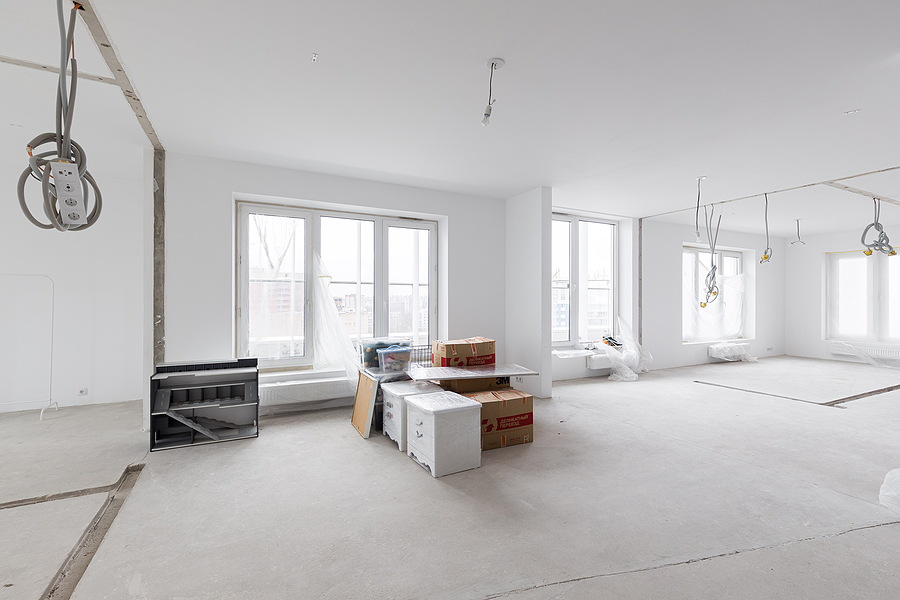
The warm shell lease is a middle ground between the extreme points of the “cold” and “vanilla” spectrum. Under this lease, the landlord provides a space with the basic structure and systems in place, sometimes including flooring and painting. However, amenities such as HVAC, interior walls, and lighting are not typically included.

Features and Benefits

  • Provides a semi-finished space that can be operational with minimal investment
  • Offers a faster move-in timeframe compared to a cold shell
  • Still allows for substantial tenant customization to tailor the space to specific needs

Possible Drawbacks

  • Tenants may find limitations in the extent of build-out flexibility
  • Initial costs can be higher than a cold shell, especially if the provided elements require modification

Ideal Scenarios

This type of lease is ideal for lessees who need a midway point where they can set up and operate quickly, while still maintaining a certain level of interior customization.

Cold Shell Lease

At the more minimal end, a cold shell lease provides a vanilla shell but with less equipment or finishings. It often equates to an entirely unfinished space, with no walls, ceilings, or interior finishes. The space is typically a clean, sealed structure ready for adaptation to the specific needs of the tenant.

What Cold Shell Leases Offer

  • Blank canvas for complete tenant customization
  • Typically longer lease terms with opportunities for cost-sharing expenses with the landlord
  • More control over the design and construction process without considerations for pre-existing interior structures

When to Consider a Cold Shell Lease

Businesses that have the capacity and vision for an interior space built to their exact specifications would find the cold shell lease a beneficial starting point.

Vanilla Shell Lease

The vanilla shell lease offers a bit more than the cold shell by providing the basic structure of a commercial space with certain elements installed. Common inclusions are the roof, exterior walls, windows, doors, and sometimes even the basic capacities of electrical and plumbing systems.

Defining Features of a Vanilla Shell Lease

  • Allows tenants forego the construction or installation of major structural elements
  • Provides a platform for interior design and customization
  • Typically shorter move-in periods due to available basics

Pros and Cons of a Vanilla Shell Lease

  • Reduced Tenant Improvement (TI) costs compared to a warm shell
  • Less initial investment required, but may still lead to higher costs for additional fit-outs

Ideal Applications for a Vanilla Shell Lease

This lease can be a sweet deal for lessees with specific yet adaptable business needs who seek a middle ground where they can make the space their own without major structural work.

Grey Shell Lease

Sitting just beyond the vanilla shell, the grey shell lease is a space with some of the more intricate systems of the HVAC, plumbing, and electricity already installed but not yet active. There may be some interior finishes such as ceiling tiles but not to a useable or business-reflective standard.

Key Components of a Grey Shell Lease

  • Intermediate level of inclusions requiring less initial investment for redundant systems
  • Time-saving advantage as some of the basic systems are in place and just require activation
  • Allows for a certain level of tenant input on finishing materials and details

Pros and Cons of Grey Shell Leases

  • Offers a good balance of provided amenities and tenant customizability
  • Tenant may encounter some strategic challenges in coordinating with the landlord on finishing works

Compatible Business Types

This practical lease solution can cater to businesses seeking a space with a robust structure that requires more than the basics but not a full-blown interior overhaul.

Conclusion

In sum, choosing the right shell lease type is a critical first step in the commercial space leasing process. Each type caters to different needs and preferences and has implications on cost, customization, and timeline. By understanding the nuances of these lease models, tenants and landlords can forge agreements that foster successful and satisfying partnerships.

Navigating the commercial real estate market is a constant learning curve, but with the right knowledge, each curveball can present an opportunity rather than a challenge. Whether venturing into your first commercial space lease or looking to optimize your existing business location, taking the time to select the right shell lease type can enhance your experience and outcomes in the world of commercial property.

Are you looking for a trusted commercial general contracting company who can turn your leased commercial space into exactly what your business needs? Contact BAF Corporation at 317-253-0531 for help with everything from space planning and permitting to tenant remodeling, retail franchising, and more in Indianapolis, Indiana. We serve clients all throughout the state.

Related Posts:

What is White Box Commercial Real Estate Construction?
What is a Build-to-Suit Commercial Lease?
Options for Getting Out of a Commercial Lease

Commercial Wallcoverings: Enhancing Spaces with Style

Within the world of interior design and space planning, each component plays a role in shaping the professional look and usability of a commercial space. Wallcoverings, in particular, offer a canvas to portray your brand’s messaging, create an ambiance that resonates with customers, and enhance the overall experience of a place. But with various options available in the market, selecting the right wallcovering for your commercial space can be a daunting task.

This comprehensive guide intends to ease that decision-making process for hotel owners, retail spaces, office managers, and property developers by shedding light on the types, benefits, and selection strategies for commercial wallcoverings. Scroll down to get started!

Call 317-253-0531 for Commercial Wallcoverings in Indianapolis Indiana

Types of Commercial Wallcoverings

Commercial wallcoverings come in a wide range of styles, patterns, and textures, offering versatility to suit various design preferences. Each type brings unique benefits, such as durability, sound absorption, or easy maintenance. Such options make commercial wallcoverings ideal for different spaces, such as offices, hotels, clinics, or restaurants. Choose the perfect one to elevate the aesthetic appeal and functionality of your space. Here are some common selections to consider:

Vinyl

Vinyl wallcoverings lead the industrial sector due to their superior durability and moisture-resistant qualities. Especially suitable for high-traffic areas such as hospitals and restaurants, vinyl wallcoverings are easy to clean and maintain, providing long-term value.

Fabric

Fabric wallcoverings exude luxury and are popular in upscale settings due to their rich texture and noise-absorbing properties. Hotels and corporate offices often opt for fabric wallcoverings to impart a lavish yet sophisticated feel.

Natural Material

Featuring a range of organic materials like grasscloth, sisal, or cork, natural wallcoverings appeal to Eco-conscious design schemes and create a warm, earthy ambiance. Their textural appeal makes them a favored choice for spas and wellness centers.

Specialty Finishes

For spaces demanding a unique, standout wall feature, metallic, reflective, or textured finishes provide an eye-catching allure perfect for retail and boutique environments.

Benefits of Commercial Wallcoverings

The right commercial wallcovering can be a game-changer, offering a multitude of benefits beyond just aesthetic enhancement.

☑ Durability and Longevity

In comparison to traditional wall paint, commercial wallcoverings are more robust and built to endure heavy use over extended periods. This longevity ensures that your interior retains its polished look for years to come.

☑ Customization and Branding

Custom-printed wallcoverings provide an opportunity to showcase brand colors, logos, and themes, reinforcing brand identity within the space. They offer a canvas for storytelling, turning walls into a dynamic form of brand communication.

☑ Easy Maintenance and Cleanliness

Many commercial wallcoverings are designed for simple maintenance, which is crucial in high-traffic environments. Stains and dirt can be wiped away easily, minimizing the downtime needed for cleaning.

☑ Aesthetic Versatility

From classic elegance to bold contemporary designs, wallcoverings can transform any space, adapting to the desired atmosphere. They provide a range of options, including vibrant prints, subtle textures, and color gradients that add depth and interest to a room.

Choosing the Right Wallcoverings

Selecting the perfect wallcovering is an art that involves careful consideration of several factors, such as the purpose of the space, the demographic, and the desired atmosphere.

Hotels: Luxury and comfort are paramount; opt for durable, non-fading materials to withstand guest turnover.

Retail: Wallcoverings should draw attention and create an inviting ambiance. High durability and easy maintenance are essential in this setting.

Offices: Consider the impact on office productivity and the overall workplace culture. Sound-absorbing options can reduce noise levels and improve the working environment.

Clinics: Moisture-resistant and easy-to-clean wallcoverings are critical in healthcare environments, where hygiene is crucial.

Restaurants: Wallcoverings should be easy to maintain, somewhat water-proof, and resistant to stains, while also setting the right mood for dining.

Schools: Durable, textured options work best in high-traffic areas like hallways and classrooms, while fun and bright patterns can enhance creativity in younger students.

Color Schemes and Patterns

Color choices can influence mood, so consider the psychological effects of various shades when choosing a wallcovering. Cohesive color schemes that match the branding or theme of the space are essential.

Patterns can enhance the perceived size of a room and offer a structured or free-flowing aesthetic. Be mindful of the balance between the size of the patterns and the size of the room to avoid overwhelming the space.

Texture and Material

Each material offers a distinct tactile experience and aesthetic. Consider the expectations of your clientele and the tactile elements that could augment the space, bearing in mind ease of cleaning for each material type.

Installation and Maintenance Tips

While the initial selection is important, proper installation and ongoing maintenance are critical to maximizing the benefits of commercial wallcoverings.

Professional Installation

For a flawless finish and to ensure warranties are upheld, commercial wallcoverings should be installed by professional commercial drywall contractors familiar with the intricacies of each material.

Cleaning Techniques

Regular cleaning maintains the look and hygiene of the interior. Understanding the appropriate cleaning techniques for each wallcovering type is crucial to avoid damage. For vinyl wallcoverings, a simple solution of water and mild detergent is sufficient for regular cleaning.

As for fabrics and natural materials, these typically require a more delicate approach to avoid fraying or loosening of fibers. Dry methods like vacuuming with a soft brush attachment are often recommended.

Maintenance Schedules

Developing a maintenance schedule based on the traffic and use of the space can prevent any major cleaning or damage issues. Regular dusting and spot-cleaning are typical components of such schedules.

In Summary

Commercial wallcoverings are an integral element of interior design that can add flair, durability, and personalization to any space. By considering the different types, their varied benefits, and the selection strategies, businesses can make informed decisions that resonate with their specific needs and objectives. The lasting impression of a well-designed environment not only leaves a mark on visitors but also serves as a testament to the brand’s commitment to quality and excellence.

For businesses aiming to excel in their market, commercial wallcoverings represent an investment not just in design, but in the overall success of their enterprise. Contact BAF Corporation at 317-253-0531 for help with commercial drywall, painting, and wallcoverings in Indianapolis, Indiana. We serve clients throughout the state.

Related Posts:

Common Drywall Texture Styles for Commercial Buildings
Can a Commercial Paint Job Benefit My Business?
Types of Drywall Textures Recommended for Commercial and Industrial Buildings

Maximizing Leasehold Improvements: A Guide for Commercial Tenants

Leasing a commercial space is not merely a transaction; it’s an opportunity for business expansion and customization. One of the core incentives this transaction offers is leasehold improvements, often referred to as a “build-out” or “fit-out” in the commercial real estate vernacular. When executed strategically, these improvements can significantly enhance the functionality and appeal of your business premises.

In this comprehensive guide, we’ll walk you through the complex world of commercial tenant improvements, empowering commercial tenants with the knowledge needed to turn a blank canvas into a dynamic business environment that reflects your brand and elevates your operations.

Call 317-253-0531 for Commercial Leasehold Improvements in Indianapolis Indiana

Understanding Leasehold Improvements

Leasehold improvements broadly encompass any alteration to a leased space undertaken to customize it for the specific needs of the tenant. These alterations could range from simple paint jobs to full-scale renovations, such as partitioning a large open space into private offices or adding fixtures and equipment unique to the tenant’s business.

Types of Commercial Tenant Improvements

There are various types of commercial tenant improvements, each with unique benefits:

Cosmetic enhancements: These include painting, new carpeting, and minor wall adjustments. They are usually the most straightforward and cost-effective upgrades, yet they can do wonders for the aesthetics and atmosphere of the space.

Functional improvements: Think of these as upgrades to the “engine room” of your office—things like electrical work, HVAC adjustments, and installing or modifying utilities to accommodate specialized equipment.

Structural changes: These are significant modifications that can impact the building itself, such as adding or removing walls, changing the floor plan, or altering the layout of the space. They often require more complex planning and compliance with building codes.

Benefits for Businesses

The significance of commercial leasehold improvements for businesses cannot be overstated. By tailoring your commercial space to your unique operational requirements and aesthetic goals, you create an environment that can boost employee morale, improve workflow efficiency, and enhance customer experience. Financially, these renovations can also add value to your business, improving asset base and the ability to resell your business in the future if tenant improvements are done well.

Negotiating Leasehold Improvements

Negotiating for the right to make tenant improvements during your lease term is a critical part of the leasing process. Many first-time tenants underestimate the importance of this negotiation. Here are key points to consider:

Tips for Negotiating with Landlords

Start Early: Space planning and preconstruction are key elements in the process. Begin discussions about desired renovations and repairs before the lease is finalized or use sketches and notes to convey your vision to the landlord.

Be Clear and Detailed: Develop a thorough scope of work outlining each renovation or repair you’re proposing. Clarity and detail reduce ambiguity and the potential for disputes.

Understand Landlord’s Perspective: Landlords are typically more amenable to tenant improvement plans that add value to the property. Frame your requests in terms of sustainability and long-term asset enhancement.

Cost Considerations and Budgeting

Factor in the Unknowns: Construction projects often have unforeseen costs. A good rule of thumb is to budget at least 10-15% of the construction cost for unexpected expenses.

Assess Long-Term Expenses: Consider the energy efficiency and ongoing maintenance costs of new systems and fixtures. The initial investment in a higher quality system or material could lead to long-term savings.

Consult a Construction Company Early: Commercial general contractors can provide ballpark figures based on similar past projects. Involving them early can prevent over-engineering or under-bidding on work.

Execution of Commercial Tenant Improvements

Once the negotiation phase is complete, the focus shifts to executing the renovations or remodels. This is the stage where the plans become reality, and it’s crucial to manage the process with precision.

Hiring a Commercial General Contractor and Managing Timelines

Choose a Company with Experience: Look for a construction company that specializes in commercial projects and understands the unique demands of your business sector.

Create a Realistic Timeline: Work with your construction contractor to establish a timeline that aligns with your business needs, as delays can have a significant impact on your operations and bottom line.

Communicate Openly and Often: Regular communication with your construction manager can help to identify and solve problems early, keeping the project on track.

Compliance with Regulations and Agreements

Permitting and Codes: Be aware of the local building codes and permitting processes. Failure to comply can lead to costly delays or worse—legal ramifications.

Insurance and Liabilities: Understand what your insurance covers and make sure your commercial general contracting team (and any subcontractors) have their own policies. Clarity on liability can protect all parties involved.

Protect Leaseholder Rights: Ensure that the lease clearly specifies tenants’ rights and obligations regarding improvements. This can protect you if the landlord sells the property during the lease term or if there is a dispute regarding the condition of the space at the end of the lease.

Maximizing Value from Tenant Improvements

The key to maximizing the value of commercial tenant renovations is to approach the process holistically, balancing the short-term benefits with long-term business goals.

Enhancing Functionality and Aesthetics

Design with Efficiency in Mind: Work with an architect or interior designer to ensure the layout and design of your renovations optimize the space for your business needs.

Choose Durable Materials: In high-traffic areas, durability is key. Look for materials that can withstand the demands of a commercial environment without sacrificing style.

Acoustics and Comfort: Renovations that enhance acoustic, reduce noise, and provide ergonomic workspaces can lead to a more productive and comfortable work environment.

Long-Term Benefits for the Business

Scalability: Design your improvements with potential future growth in mind. Can walls be easily moved? Are utilities accessible for future expansion?

Technology Integration: Ensure your space is designed to accommodate current and future technological needs, from data cabling to power needs for modern office equipment.

Sustainability and Energy Efficiency: The commercial world is increasingly focused on sustainability. Consider energy efficiency improvements that reduce your environmental impact and operating costs, like energy-efficient lighting and advanced building management systems.

Conclusion

The process of commercial tenant leasehold improvements is a significant opportunity for commercial tenants to mold their workspace in a way that directly supports their business objectives. By understanding the intricacies of this process—from negotiating the initial permit to the execution of the project—and focusing on the long-term value rather than short-term costs, tenants can gain a competitive edge in the commercial real estate market.

If you’re a commercial tenant preparing for a lease negotiation or improvement project, the expertise of a professional commercial general contractor can be invaluable. They not only bring construction know-how to the table but can also provide insight and advice derived from experience with similar projects in their portfolio.

Don’t leave the potential of your commercial space untapped; with the right approach to leasehold improvements, you can create a dynamic environment that sets the stage for your business to thrive. Contact BAF Corporation at 317-253-0531 to speak with an expert Indianapolis commercial general contractor about your options for tenant improvement remodeling and more. We serve clients in all industries and throughout all of Central Indiana.

Related Posts:

Essential Repairs to Do Before Listing Your Commercial Office Space on the Market
Tenant Improvements: Enhancing Your Commercial Space
Understanding Landlord-Funded Build-Out Allowances in Indiana

Understanding Landlord-Funded Build-Out Allowances in Indiana

Navigating the intricate world of commercial leasing can be daunting, especially when it comes to understanding complex clauses like the build-out allowance. Whether you’re a prospective tenant eyeing a new space, a landlord assessing property value, or an investor seeking the best ROI, your understanding of this critical component needs to be as polished as the walls of your up-and-coming storefront. This piece is your keystone in decoding the landlord-funded build-out allowance specifically within the legal scope and practices of Indiana.

Call 317-253-0531 if You Need Commercial Office Build Out Contractors in Indianapolis

Delving Into Build-Out Allowances

Before we get into the nitty-gritty of Indiana’s build-out allowances, it’s pivotal to understand what this term encapsulates. Essentially, a build-out allowance is an agreement within commercial leases where the landlord provides funding, typically calculated in cost per square footage, to the tenant for customizing or improving the space. Significantly, this clause acts as a tug-of-war rope, shifting the cost, and, relatedly, the benefits between tenant and landlord.

The Significance for All Parties Involved

For tenants, such allowances can mean significant cost savings and the chance to tailor a space to fit their operational and branding needs without hefty upfront expenses. Meanwhile, landlords capitalize on the allure of a customized space, attracting long-term tenants and potentially increasing the property’s value.

Indiana’s Lease Landscapes

Indiana, holding its own in the commercial real estate market, has its distinct set of regulations and common practices related to build-out allowances. These rules often vary greatly from those in neighboring states, which is why a state-specific understanding is essential.

Terms and Traditions in Hoosier State Leasing

Indiana leases commonly offer build-out allowances that are more generous than tenants might find elsewhere. These allowances are not only beneficial for the tenant but are smart investments for landlords aiming to set their properties apart in a competitive market.

Laying Out Perks for Commercial Tenants

Tenants are the direct beneficiaries of build-out allowances. Actively engaging with the allowance can have a series of favorable outcomes for businesses large and small.

Cost Savings and Customization Opportunities

These allowances extend substantial cost savings to tenants, with landlords often shouldering up to 100% of the build-out costs. Beyond finances, this provision facilitates the physical manifestation of a company’s brand and culture, vital in customer recognition and staff morale.

A Boost to Property Value

Tenants armed with a well-executed build-out plan can inadvertently enhance the property’s value. A space uniquely fitted to the tenant’s operations is likely to secure longer lease terms and a more profitable asset for the landlord.

Strategies for Property Managers

Property managers serve as the bridge between tenants and landlords, and understanding how to tactfully manage build-out allowances is a craft that’s perfected with the right approach.

The Art of Negotiation

Property managers must hone the art of negotiation. They should be adept at balancing a tenant’s needs with a landlord’s financial limits, often requiring a deep understanding of the local market for cost estimation.

Timing and Financial Foresight

Managing expectations is crucial; property managers must confidently set realistic timelines and financial projections for build-out projects. Mismanagement could sour the tenant-landlord rapport and disrupt the property’s long-term performance.

Real Estate Investor Perspectives

For real estate investors, understanding the implication of build-out allowances can significantly impact their decision-making processes.

Seizing Investment Opportunities

Savvy investors are always on the lookout for properties that hold potential for value addition. Coupled with a strategic build-out allowance, such opportunities become goldmines for investors looking to maximize their returns.

Evaluating the ROI

Assessing the ROI potential of a property investment with a build-out clause is critical. It’s not just about the initial costs but also the long-term gain from having a property that’s in high demand due to customized, well-maintained spaces.

Key Takeaways

Build-out allowances in commercial leasing are not one-size-fits-all. The complexity of the Indiana statutes and the multifaceted approach needed in dealing with these clauses require informed and strategic decision-making. Tenants, property managers, and investors alike must harness their knowledge of these allowances to turn commercial real estate into a realm of opportunity rather than venture into it as uncharted territory.

By grasping the nuances of Indiana’s distinctive approach to build-out allowances, commercial parties can foster environments where tenants thrive, landlords gain, and investment potential is maximized. It’s with this concerted knowledge and action that the market will continue to evolve and grow, responding to both the economic currents and the innovative spirit that is uniquely Indiana.

Ready to transform your commercial space into a tailored, thriving business environment in Indianapolis, Indiana? Contact BAF Corporation at 317-253-0531, today! Our expert team specializes in full-service tenant improvements and commercial build-outs, ensuring your space not only meets but exceeds your expectations. Make the most of your build-out allowance with professionals who know exactly how to bring your vision to life while maximizing your investment. We serve all corporate, commercial, and industrial industries in Indy and its surrounding districts.

Related Posts:

Frequently Asked Questions About Commercial Interior Build Outs
Who Pays For a Commercial Interior Build-Out?
4 Tips for Planning a Tenant Occupied Building Renovation

Navigating Indiana Commercial Building Codes: Everything You Need to Know

Developing a commercial property in the vibrant state of Indiana is an exciting venture. Whether you’re an established Real Estate Developer or a burgeoning Business Owner looking to expand, the process of construction is a critical stage that demands your utmost attention. Understanding the commercial building codes of Indiana is not only a legal requirement but a foundational step in ensuring the safety and functionality of your future space.

This comprehensive guide is designed to demystify the intricate web of Indiana’s commercial building regulations, providing you with the knowledge to navigate this essential aspect of your commercial development project.

Call 317-253-0531 to Speak With a Commercial Construction Contractor in Indianapolis

Understanding Indiana Commercial Building Codes

When embarking on a commercial construction or renovation project in Indiana, adherence to building codes is non-negotiable. These codes are designed to establish minimum standards for the construction and occupancy of buildings to safeguard public health, safety, and general welfare. Indiana enforces a set of technical codes that are updated regularly to reflect national standards and best practices. The regulatory scope covers a wide range of aspects in construction, including structural integrity, fire safety, energy efficiency, and accessibility.

The Indiana Department of Homeland Security (IDHS) is the state entity responsible for aspects of building safety, including fire and building safety regulations. Local jurisdictions, such as counties and cities, enforce these state regulations, often tailoring certain aspects to reflect the nuances of their communities. It’s imperative to be aware of your local building commission or authority having jurisdiction (AHJ), as they are the primary enforcers of commercial building codes at the local level.

Key Areas Covered by Indiana Commercial Building Codes

Structural Requirements

The structural design of a commercial building must comply with stringent criteria to ensure it can withstand the forces it will encounter during its lifespan. This includes calculations for building loads, wind resistance, and even seismic considerations in certain regions.

A licensed structural engineer plays a vital role in ensuring that your design and materials are up to code, and their approval is often required before project approval is granted. Local AHJs may also conduct inspections throughout the construction process to verify compliance.

Fire Safety Regulations

Fire prevention and safety in commercial buildings is a top priority. Indiana’s commercial building codes incorporate standards for fire-resistive materials, means of egress, fire suppression systems, and more. Requirements may vary depending on the building’s use and occupancy classification, with higher standards for public spaces and buildings housing vulnerable populations.

Developers and business owners must ensure their properties are equipped with the necessary fire safety measures, such as suitable alarm systems, fire exits, and extinguishing systems. Periodic inspections by the fire marshal are common, especially for high-occupancy structures.

Accessibility Standards

Commercial properties must be accessible to individuals with disabilities as per the Americans with Disabilities Act (ADA). Indiana’s building codes reflect the federal requirements for accessibility, specifying the design parameters for elements such as parking spaces, ramps, doorways, and restrooms.

Consideration for accessibility should be integrated into the design process from conception to completion. The involvement of an ADA consultant and regular check-ins with AHJ can help to ensure that your property meets the necessary accessibility standards.

Energy Efficiency Guidelines

Indiana has adopted energy codes that align with national standards such as the International Energy Conservation Code (IECC). These codes aim to reduce energy consumption in all types of buildings through the regulation of building envelope, mechanical systems, lighting, and water heating.

Meeting these guidelines often involves detailed energy modeling and can influence the size and specifications of systems within your commercial property. Energy code compliance may also offer benefits such as reduced operating costs and improved marketability.

Implications for Commercial Developers and Business Owners

Navigating Indiana’s commercial building codes presents numerous implications, both during the planning and construction phases as well as upon the property’s eventual occupancy.

Compliance Costs and Time frames

The cost and time involved in ensuring your property meets code can be significant. Early engagement with a construction contractor familiar with local codes is crucial to mitigate unexpected expenses and delays.

Impact on Project Design and Construction

Code compliance often necessitates design adjustments that can impact the aesthetics, functionality, and cost of your project. Engaging with design professionals early in the process is key to integrating compliance measures seamlessly.

Legal and Financial Consequences of Non-Compliance

Failing to adhere to commercial building codes can result in serious ramifications, including delayed project approval, fines, and even litigation. Thorough documentation and clear communication with your construction team are essential to avoid non-compliance pitfalls.

Best Practices and Resources for Building Code Compliance

The complexity of Indiana’s commercial building codes makes it essential to approach code compliance strategically. Here are some best practices and resources to assist you in this endeavor.

Hiring Professional Commercial Construction Contractors for Code Compliance

Experienced commercial construction contractors are well-versed in navigating the various requirements and nuances of Indiana’s building codes. Their knowledge and expertise can prove invaluable in ensuring that your project meets all applicable regulations.

Staying Updated with Code Revisions

Building codes are not static and are subject to regular updates. Subscribing to newsletters, attending workshops, and maintaining dialogue with local building authorities will help you stay informed about any changes that could affect your project.

Utilizing Technology for Code Adherence

Technological tools like Building Information Modeling (BIM) and construction management software can enhance code adherence by providing a digital platform for comprehensive planning, tracking, and documentation of compliance efforts.

Conclusion

Understanding and adhering to Indiana’s commercial building codes is a guaranteed way to set your project on the path to success. The safety and accessibility of your building, along with its energy efficiency, are not just legal requirements but important considerations for the longevity and reputation of your property. Don’t wait until you’re neck-deep in the construction process to address code issues. Acting with foresight can save you both time and money. Start building a compliant and successful future today. By taking a proactive approach to code compliance, you not only fulfill regulatory obligations but also ensure the satisfaction of tenants and the community at large.

Your next step in mastering the commercial building codes of Indiana is to reach out to professionals in the industry who can offer guidance specific to your project. Contact BAF Corporation at 317-253-0531 for reputable commercial construction and remodeling in Indianapolis and its surrounding counties.

Related Posts:

Naturally Replenishing Energy Sources for Commercial Facilities
Ascertaining the Need for ADA Compliance Upgrades in a Commercial Remodel
3 OSHA Guidelines For Illnesses and Injury Prevention in Medical Facilities

The Art of Business Appeal: Elevating Your Space Through Quality Painting

Your place of business is a canvas waiting to reflect your brand’s message, values, and promise. This canvas, carefully adorned, can be the silent herald of professionalism and attention to detail that speaks volumes without a single word. In the bustling world of entrepreneurship and commerce, the aesthetic appeal often takes center stage, impacting not only the customer’s first impression but also the longevity of your brand’s image. Let’s delve into why quality painting is not just about bright colors and fresh coats but is fundamental to your business’s aesthetic strategy.

Call 317-253-0531 for Commercial Painting Solutions in Indianapolis

The Impact of Business Aesthetics

First Impressions and Customer Perception

The human brain processes visual information 60,000 times faster than text. What this means is that before your customers read a sign, they will have already made an impression based on what they’ve seen. A tired, discolored façade or an indoor space bearing the battle scars of neglect can set a tone of dilapidation that’s hard to shake. On the other hand, thoughtfully painted interiors and exteriors can create a dynamic statement that captures and holds attention, showcasing a brand at its finest.

Influence on Brand Image and Reputation

Every brushstroke is an opportunity to mold your brand’s image. Is your business quirky and vibrant? Or perhaps sleek and modern? The colors, patterns, and care put into your space’s aesthetic are key to conveying this. Consistency in your brand’s aesthetic, from the website to the office walls, builds a coherent story and fosters greater trust and recognition among your clientele.

Creating a Welcoming and Professional Environment

Beyond the brand-specific choices, there are universally inviting aesthetics that can transform any space. A warm yet professional environment can be crafted with the right color palette and layout. This is not just about the style but the fusion of visual stimuli to create an ambience that encourages both clients and employees to feel at ease and ready to engage.

Why Quality Painting Matters

Durability and Longevity

A painting job is an investment, and like any investment, you seek returns. Quality paints are more than just pretty—they’re tough. They resist the marks, scuffs, and even some of the harshest elements that might batter lesser coatings. They keep your business looking new, and that’s a message to visitors that yours is a brand that stands the test of time.

Enhancing Visual Appeal and Aesthetics

The essence of quality painting is not merely in the application of color but in the craftsmanship that produces a flawless finish. Skilled painters will know how to address imperfections, ensuring smooth, even surfaces that showcase the chosen design to its best advantage. This, in turn, elevates the visual appeal and the luxury of aesthetic experience.

Reflecting Professionalism and Attention to Detail

You wouldn’t show up to a meeting with a client looking anything less than your best. Your business space deserves the same respect. Attention to the quality of painting is an overt reflection of the level of care and attention your business operates with ― a subtle yet powerful indication of the quality of your products or services.

Choosing the Right Painting Contractor

Importance of Experience and Expertise

A professional commercial painter with years in the industry brings not just technical skills but a wealth of insights into design, color psychology, and novel techniques that can transform the mundane into the extraordinary. An experienced painting contractor is a collaborative partner in your aesthetic vision.

Checking for Licensing and Insurance

As with any aspect of your business, safety and professionalism cannot be compromised. Always choose a contractor with the necessary licenses and insurance to protect both you and their workforce. This ensures accountability and the peace of mind that comes with it.

Reviewing Portfolios and Client Testimonials

A painter’s past work is a crystal ball of your future results. Take the time to peruse their portfolios and, if possible, visit sites where they’ve worked. Word-of-mouth testimonials from previous clients add the layer of trust that is earned through consistent excellence.

Additional Considerations:

Color Psychology and Its Impact on Business

Colors are not neutral; they carry meaning and influence emotion. Blue is often associated with trust and stability, while yellow can evoke energy and optimism. These nuances can be harnessed to create an environment that supports and resonates with your business goals. Understand the subtleties of color psychology to leverage them effectively.

Maintenance and Upkeep of Painted Surfaces

The beauty of a newly painted space is a sight to behold. But to keep that beauty, regular maintenance is a must. Educate yourself on the best practices to maintain the vibrancy of your painted surfaces. Simple steps like routine cleaning and addressing damages promptly can significantly extend the life of your paint job.

Industrial Colors for Factories

In the realm of industrial facilities, the choice of paint colors goes beyond mere aesthetics; it’s a crucial element for safety and productivity. Safety yellow, for instance, is a standardized hue that’s instantly recognizable, used to delineate walkways, mark physical hazards, and signal caution. Similarly, clean white or light gray can optimize lighting by reflecting more luminance within the space, contributing to a safer and more energy-efficient work environment. When selecting these shades, it’s important to understand that each color serves a distinct purpose.

Conclusion

The narrative woven through paint and brush is as powerful as any business strategy. It communicates value, stirs emotions, and sets the stage for your commercial narrative. It is an investment worth careful consideration and professional execution. As you embark on this chapter of your business’s visual story, let it be one entrenched in quality and mindfulness. After all, what your business ‘wears’ is as much a part of its identity as its name. It’s time to paint the picture of success with precision and purpose.

Are you planning an important commercial renovation or business remodel? Trust a pro for the best results. Contact BAF Corporation at 317-253-0531 when you need the most trusted and qualified commercial general contractors for painting and drywall service in Indianapolis, Indiana.

Related Posts:

What it Takes to Get the Best Commercial Interior Painting Finishes
Can a Commercial Paint Job Benefit My Business?
The Drawbacks of Painting Over Brick Building Exteriors

Tenant Improvements: Enhancing Your Commercial Space

Tenant improvements (TIs) represent the transformative essence that can elevate a mundane commercial lease into a powerful, long-term branding and productivity opportunity. Whether you’re a tenant looking to make your space unique or a property manager aiming to improve your property’s appeal, the world of tenant improvements is vast and multifaceted.

In this comprehensive guide, we’re diving deep into the concept of TI, exploring every angle from the benefits it offers to the nitty-gritty details of execution. By the end, you’ll be equipped with the knowledge you need to initiate a tenant improvement project that will not only enhance your commercial space but also provide a slate of tangible advantages for your business.

Call 317-253-0531 for Tenant Improvement Construction in Indianapolis Indiana

Understanding Tenant Improvements

Before delving into the intricacies of tenant improvements, it’s crucial to understand what they are and why they matter. Tenant improvements, also known as leasehold improvements, are customizations to rental space to accommodate the needs of the tenant. This can span from simple fresh coats of paint and new carpets to complete remodeling, including the installation of specialized equipment.

Types of Tenant Improvements and Remodels

There is no one-size-fits-all when it comes to tenant improvements. The scope of these projects is as unique as the tenants themselves. Here are some common types:

Cosmetic Updates: The most basic improvements include the application of new finishes or fixtures, which can give a space a completely new look and feel without major structural changes.

Functional Modifications: These are upgrades that reconfigure the layout to better suit the operational flow of the tenant’s business.

Substantial Structural Changes: For tenants with unique or specialized spatial needs, the revamping of the property’s structural elements might be necessary.

Lease Agreements and Tenant Improvement Allowances

Often, tenant improvements are outlined and budgeted in the lease agreement as a tenant improvement allowance (TI allowance). This is a fixed amount of money provided by the landlord to the tenant for customization. If the cost of the improvements exceeds the allowance, the tenant is responsible for the difference.

Benefits for Commercial Tenants

For commercial tenants, undertaking a TI project can offer a wealth of benefits that go beyond aesthetics and comfort. Additional benefits of choosing to pursue a tenant remodel include:

Customization and Branding Opportunities – Tenant improvements allow businesses to create a space that mirrors their brand and values, contributing to a more professional and engaging environment for clients and employees alike.

Increased Employee Satisfaction and Productivity – A well-designed workspace can drive employee satisfaction and productivity. Elements such as natural lighting and ergonomic furniture can lead to a more comfortable work environment, fostering better performance and morale.

Cost Savings in the Long Run – Although there’s an initial investment, customizing a space to fit your exact needs can save money over time. It eliminates the need to retrofit standard spaces, which often involves additional change orders and expenses.

Benefits for Property Managers and Landlords

Property managers and landlords stand to gain from tenant improvements as well, such as:

Attracting and Retaining Quality Tenants – In a competitive market, a space that offers the freedom of customization can be the edge that attracts high-value, long-term tenants.

Higher Property Value and Rental Rates – Upgraded spaces command higher rental rates and can increase the overall value of the property.

Long-term Lease Agreements – When a tenant invests in their space, they are more inclined to sign longer leases, providing stability for both the tenant and the landlord.

Tenant Remodel Planning and Budgeting

Executing a successful tenant improvement project hinges on meticulous planning and accurate budgeting. Consider important elements, such as:

Assessing the Needs and Goals of the Tenant – It’s essential to start by understanding the specific requirements of the tenant’s business and their vision for the space.

Cost Estimation and Budget Allocation – An experienced contractor can provide a detailed estimate of the project cost. It’s important to allocate funds for unexpected expenses that may arise during the project.

Hiring Professionals and Obtaining Permits – To ensure the project is completed to code and on time, it’s vital to engage professionals and secure any necessary permits in advance.

Common Tenant Improvement Projects

The breadth of tenant improvement projects is vast, but there are common areas where customization often occurs, such as:

Interior Remodeling and Renovations – These projects can include anything from building new partition walls to breaking down existing ones to create an open-plan space.

HVAC and Electrical Upgrades – Modernizing these systems is often a priority to improve energy efficiency and align with the tenant’s specific equipment needs.

Accessibility Improvements – Making the space more accessible and accommodating for all visitors and employees is both a legal and ethical necessity.

Navigating Challenges of TI Construction Projects

While tenant improvements offer significant advantages, they are not without their challenges, such as:

Communication/Collaboration Between Tenants and Property Owners – Effective communication and collaboration are critical to ensure the tenant’s vision aligns with the property owner’s expectations and structural limitations.

Addressing Potential Disruptions and Inconveniences – Tenant improvements can sometimes cause disruptions to neighboring tenants or require planned service shutdowns. Planning these with everyone’s convenience in mind is paramount.

Compliance with Building Codes and Regulations – Staying on the right side of the law means researching and adhering to relevant building codes and regulations. Failure to do so can lead to costly delays and repercussions.

Conclusion

Tenant improvements are a powerful tool for commercial tenants, property managers, and landlords. They provide a unique opportunity to customize and enhance a space, create a more functional environment, and offer a multitude of benefits for all parties involved. Moreover, choosing the right partners for your tenant improvement project is essential. A qualified commercial construction company not only ensures the work is executed successfully but can also offer valuable insights and solutions throughout the process.

If you’re considering a tenant improvement project, this guide is your starting point. Next, contact BAF Corporation at 317-253-0531 to speak with a seasoned commercial construction contractor about planning your 2024 tenant improvements and remodels in Indianapolis, Indiana, today.

Related Posts:

Top 4 Tenant Improvements to Boost Office Productivity
How Today’s Technology Gives Commercial Tenants the Upper Hand
Tips for Negotiating a Tenant Improvement Allowance

Black Mold Remediation Guide for Commercial Properties

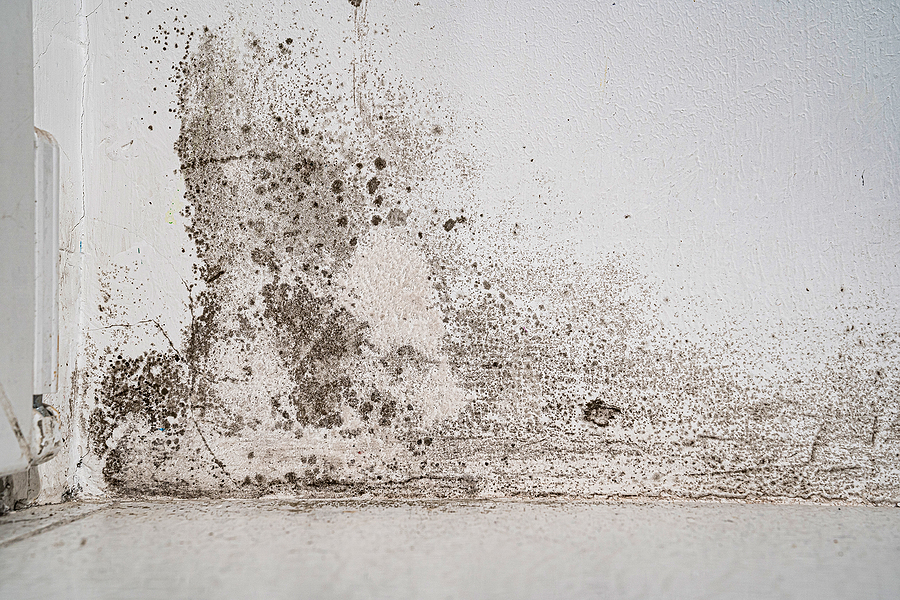
Black mold is dangerous, not to mention unsightly, disgusting, malodorous, and highly destructive. Worse off, mold is often hidden, and therefore, undetectable at first or second glance. This is a common reason why black mold outbreaks get as bad as they do. And the longer black mold goes unresolved, the more damage it leaves in its wake. In as little as one year, an untreated mold occurrence can lead to massive renovations and rebuilds of commercial properties. Needless to say, black mold is a problem and should be treated and eliminated immediately upon discovery.

If you have recently discovered a festering outbreak of black mold in your commercial property, take action this very moment by learning what you need to do to get rid of black mold and renovate the damages it leaves behind.

Commercial Mold Remediation Contractors Indianapolis IN 317-253-0531

Black Mold in the Office or Workplace

Although minor black mold remediation could be done in-house or on your own, commercial properties have a higher duty of care to ensure their premises are safe and free of foreseeable hazards; not just for the sake of local building and health codes, but also for the health and safety of their employees, customers, clients, visitors, and anyone else that enters through their doors. For this reason, commercial mold removal and remediation is a large-scale project that requires specialized Indianapolis general contracting service and guidance. A licensed commercial general contractor can determine the best course of action for your mold removal and structural repair needs.

Start by inspecting the area you suspect has mold growth. Once you have a good idea of how extensive the black mold is in your business or commercial building, you will know if you should outsource professional general contracting and renovation services or not. Small-scale outbreaks might be manageable on your own if you are experienced with handyman work, but only the removal phase. Structural repairs and renovations will need to be carried out by a licensed commercial construction company in Indianapolis.

If you truly feel comfortable removing a small black mold outbreak in your office or commercial building, continue below for a quick guide to black mold removal.

Commercial Black Mold Removal Tips

When working with mold, it is vital to wear a respirator, or a facemask designed for mold spores, to protect yourself from potential health complications related to mold spore inhalation. All exposed skin should be covered as well. As mentioned, the first step to getting rid of black mold is to hire a professional to determine the extent of damage. If it is decided that the infestation is manageable on your own, you are ready to continue to the process.

The next place to begin is identifying the cause behind the mold growth. This might also require the help of a trained professional, perhaps a plumber or general contractor. This is because the source of mold growth could be from a water leak or appliance condensation in wall, pipes, roofs, or foundations of a property. These leaks or condensation issues need to be resolved before a mold problem can be eliminated.

When the first two steps are done, it is time to close off the affected area. Vents need to be covered, doors and windows should be tightly shut, and entries or openings need blocked off with plastic tarp and duct tape. The area must be entirely sealed to the best of your ability. Place floor fans, facing outward, in entry ways helps to push airborne spores outside.

Before starting any actual mold removal, spray the affected area and mold with water. This helps reduce the number of airborne spores when moving them around. Using a brush or sponge, scrub the mold away with soap and warm water. Regular dish detergent is fine. Remember that not all mold spores are colored or visible, so scrub the entire area, as well as any surrounding areas to make sure all mold is removed.

Once the area is scrubbed with warm soapy water, repeat this process, only this time, using bleach. Apply bleach to the entire area and then rinse with fresh water and a clean rag. If you do not have bleach or dislike using bleach, vinegar will do the trick as well. Or you can purchase a mold cleaning solution at the store.

Discard all equipment and supplies used to clean the black mold in a large garbage bag and take it outside through an entrance other than the main entrance of the property. A garage, patio, or loading dock entrance is best.

Once the mold is removed, you will likely need commercial drywall installation and painting services to restore the areas that were affected by the mold. Be sure to choose a licensed and insured Indianapolis commercial general contractor who specializes in large-scale commercial renovations. They have the comprehensive resources to restore a mold-damaged business or facility back to their original condition.

Are you looking for a qualified team of commercial general contractors who can help you get your business back into shape after a black mold outbreak? Contact BAF Corporation at 317-253-0531 for comprehensive commercial construction management in Indianapolis, Indiana. We will navigate your mold remediation from start to finish.

Related Posts:

Top Solutions to Commercial Flat Roof Drainage Problems
What You Need to Know About Commercial Anti-Microbial Protection
Can Commercial Renovations Be Done While a Building is Occupied?

Top 3 Credentials to Look For in a Commercial General Contractor

When you are ready to move forward with a commercial construction project, your top priority is to hire the right commercial general contractor in Indianapolis. With the right professionals on the job, you can trust that your new build, expansion, or renovation is up to spec and ready to generate income. Below are the top 3 credentials you should look for first in any Indiana commercial construction or general contracting company. By sticking with these important qualities, you can better narrow down the pool of potential hires in your area.

Commercial Contractor Indianapolis Indiana 317-253-0531

Top 3 Qualities of a Dependable Commercial Construction Contractor

Licensing

With commercial construction, the most vital credential a company can have is proper professional licensing. Always ask to see documentation of a contractor’s license, as well as any other licensing credentials you might be interested in learning more about. Aside from proper licensing, it is critical to hire a company that has an active insurance policy and bond. Not only does this indicate they are a professional corporation, but it also tells you that clients are protected in terms of liability. Check with your state’s construction licensing department to verify a company’s licensing before moving forward with their services.

Experience

Although hiring a company that has just opened its doors is not always a bad thing, hiring a company that has very little previous construction and contracting experience is. Experience is key when it comes to developing and executing a successful commercial construction project, whether a new build or a simple remodel. As a general rule of thumb, a trusted and valuable commercial general contracting company should have at least 10 years of hands-on experience in the industry, at least 5 years of being an established business, and several projects in their portfolio.

References

To learn whether or not a commercial construction company is a dependable hire, you can ask them for references; and a trusted and successful company will have them to give. But in addition to reading through their referrals, do not be afraid to actually follow up on a few. Choose one or two past clients and reach out to them for information about their personal experience with the company you are researching. This can give you the information you need to determine if the company is a good fit for your project goals.

Are you wondering which Indiana commercial general contracting company to trust for your upcoming commercial build or remodel? Contact BAF Corporation at 317-253-0531 for comprehensive commercial general contracting services in Indianapolis, Indiana. We work with clients all throughout the state.

Related Posts:

Advice on Hiring an Architect for Your Commercial Project
Why Use Your Commercial General Contractor for Facility Maintenance
What Commercial Construction Management Can Do For You

Why You Should Consider Epoxy Floor Coatings For Your Commercial Renovation or Build

Epoxy flooring is becoming an increasingly popular alternative to higher-end flooring upgrades because it is cost-effective and delivers remarkable results in a convenient time frame. On top of these benefits, commercial epoxy flooring can be customized in an infinite range of colors, patterns, textures, designs, finishes, and more. Regular grey concrete can be restored and even upgraded with an epoxy coating.

After carefully catalyzed and applied, epoxy coatings bond very well with its substrate. They form a hard, rigid, plastic material that is strong and resistant to water, chemicals, solvents, and degradation. Because commercial epoxy floors are so strong, they are commonly used in industrial and commercial settings, as well as, garages, warehouses, basement floors, and more.

Continue reading to learn about some of the most common epoxy coatings for floors, and who to call for professional advice you can trust.

Epoxy Floor Contractors Indianapolis Indiana 317-253-0531

Commercial Epoxy Floor Coating Options

There are various types of commercial epoxy floor coatings on the market. The one you choose will depend on a variety of factors unique to your decorative concrete needs.

Self-Leveling Epoxy Coatings – These coatings are fairly simple to install, and create a smooth, hard surface. This makes them popular for both new and old concrete floors. Use self-leveling epoxies on various floors, including garages, kitchens, storage rooms, warehouses, commercial offices, and more.

Self-Dispersing Epoxy Coatings – These coatings are used in rougher, tougher applications, such as factories, warehouses, and other types of indoor industrial or construction-type settings. This is because they deliver outstanding mechanical strength and anti-slip qualities.

Epoxy Terrazzo Coatings – If you are looking for a highly-decorative but durable and low maintenance epoxy finish, this is the coating for you. These are commonly applied in hallways, foyers, lobbies, dining halls, entrances, schools, and more.

Vapor Barrier Epoxy Coatings – These coatings create an impermeable surface that decreases vapor transmission to virtually none. They are applied directly to concrete floors prior to the final material layer is installed. It is common to use this type of coating for hardwood, tile, and vinyl floors.

Mortar Epoxy Coatings – These coatings are admired for being the strongest of them all. For this reason, they are mostly used in industrial applications where heavy traffic and construction is routine.

Epoxy Antistatic Coatings – When static-sensitive electronics are in constant use, you need an epoxy coating that will not interfere. Antistatic coatings do just that; they are conducive to environments that must remain static-free at all times, such as hospitals, laboratories, and manufacturing plants.

Graveled Epoxy Coatings – These coatings are another decorative option and are even more decorative than terrazzo coatings. This is the perfect choice for you if you are looking for a stunning look, such as family crests, logos, emblems, custom stamps, and more.

Are you looking for a qualified Indiana commercial general contracting company to manage an upcoming commercial build or remodel? Contact BAF Corporation at 317-253-0531 for reputable commercial construction and remodeling in Indianapolis and its surrounding counties. We deliver commercial flooring services as well.

Related Posts:

Top 4 Commercial Construction Interior Finishes
Commercial Remodeling Options for Concrete Pool Decks
Why Choose Wood Laminate Flooring For Your Commercial Remodel