Mastering the Art of Small Business Remodeling: A Guide to Success

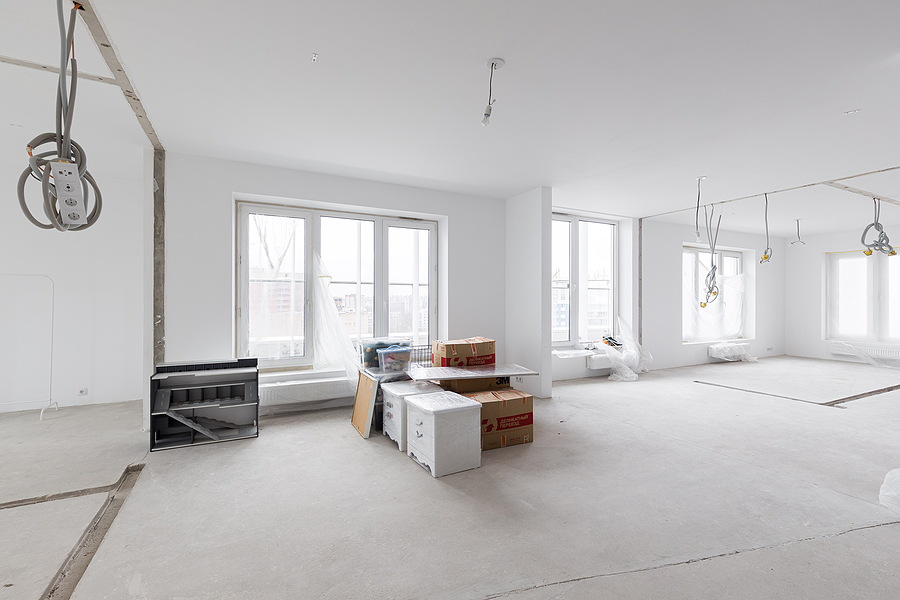
Small and midsized businesses (SMB) form the backbone of local economies, and keeping their physical spaces vibrant, functional, and inviting is crucial for long-term success. Remodeling might seem like a luxury or an unnecessary expense, but it can be an astute investment in the competitive edge and growth of your SMB enterprise. This comprehensive guide is designed to provide small business owners and entrepreneurs with the necessary insights and strategies to undertake a successful remodeling project.

In this post, we’ll start by dissecting the necessity of renovating a business location, move on to preparations for a remodeling project, and conclude with tips for seamless execution and post-renovation considerations. Whether you’re aiming to revamp your retail store to attract new customers or create a more efficient workspace for your growing team, the knowledge you gain here will set you on the right path.

Call 317-253-0531 for Small Business Remodeling in Indianapolis Indiana

Understanding the Need for Small Business Remodeling

Enhancing Customer Experience and Business Operations

Your business environment speaks volumes about your brand and can significantly impact customer perceptions. A well-thought-out design can facilitate smoother operations, improve customer flow, and boost sales. Remodeling allows you to adjust to changing market trends, update your image, and ensure that your space aligns with the current needs and expectations of your target demographic.

Recognizing Signs of Necessity

It’s essential to pick up on the cues that indicate your SMB space is in need of a refresh. These might include declining foot traffic, outdated fixtures, or a layout that no longer supports your business activities. Even more critical is staying compliant with safety codes and accessibility standards, which might change over time.

Planning Your Business’s Remodeling Project

Assessing Your Space and Needs

Start by evaluating how well your current commercial space meets your business requirements. This might involve conducting customer surveys, cost forseeability charting, analyzing sales data, or simply assessing how functional your workspace is for your team. Collecting this information is key to informing the design phase.

Setting Realistic Budgets and Timelines

Financial planning is often a roadblock for small businesses considering remodeling. However, setting a clear budget and a feasible timeline is not just a formality—it’s the key to ensuring that your project is viable. Factor in unexpected expenses and leave a cushion for any delays.

Navigating Permits and Approvals

The legal side of remodeling is often overlooked but can be a significant hurdle. Ensure that you are aware of all the local zoning laws, building codes, and necessary permits. Failing to do so can lead to costly penalties or even halt your remodeling project.

Choosing the Right Commercial Remodeling Contractor

Selecting a Reliable Partner

Your contractor will be the linchpin of your project. Look for experienced professionals with a track record of completing projects on time and within budget. Referrals and testimonials are valuable tools for narrowing down your options.

Understanding Small and Mid-Sized Business Needs

A contractor who understands the unique challenges and space constraints of small businesses can be an invaluable resource. They should be able to offer insights and solutions tailored to your specific industry and objectives.

Designing for Success

Balancing Form and Function

Good design doesn’t just look pretty; it serves a purpose. Work with an interior designer to create a space that not only reflects your brand but also maximizes efficiency and customer comfort.

Making the Most of Limited Space

Small and moderately sized businesses often have to make do with less. Clever design choices, such as multi-purpose fixtures, vertical displays, and light colors, can give the illusion of space and optimize every square foot of your establishment.

Executing a Commercial Remodeling Project

Minimizing Disruptions

A major concern for small business owners is the impact a remodeling project can have on daily operations. Develop a comprehensive plan with your contractor to minimize disruptions, possibly by working during off-hours or in stages to keep parts of the business running.

Strengthening Communication

Effective communication is vital throughout the remodeling process. Regular updates and a clear line of communication with your remodeling team will help keep the project on track and alleviate any worries you might have.

Post-Remodeling Considerations

Ensuring Safety and Compliance

Your newly remodeled space should not only be aesthetically pleasing but also safe and compliant with all building regulations. Conduct thorough inspections and address any issues promptly.

Promoting Your Fresh Look

Once your remodeling project is complete, it’s time to show it off. Use your marketing channels to spread the word about your updated space and invite customers to experience it for themselves. A grand reopening event or special promotions can help reintroduce your business in a compelling way.

Conclusion

Small business remodeling holds the potential to revitalize your brand, improve your operations, and cement your presence in the local community. It is an investment in the long-term sustainability and success of your venture. By carefully planning, selecting the right partners, and executing the project with finesse, you can achieve a space that inspires both your customers and your team.

For personalized advice and support on your small or midsized business remodeling endeavor, reach out to our expert team. We look forward to assisting you in creating a space that resonates with your vision and drives your business forward. Remember, your space is a tangible expression of your brand—make it count.

Are you a small or midsized business owner who wishes to improve the look, function, and overall success of your space? Contact BAF Corporation at 317-253-0531 for professional commercial remodeling in Indianapolis, Indiana. We serve clients in all industries and throughout all of Central Indiana.

Related Posts:

Key Points That Should Be Included in a Remodeling Contract
5 Design Tips to Improve the Success of Your Retail Store
How to Cater to Club Members During a Fitness Center Remodel
Elevate Your Commercial Project with Expert Construction Management Services

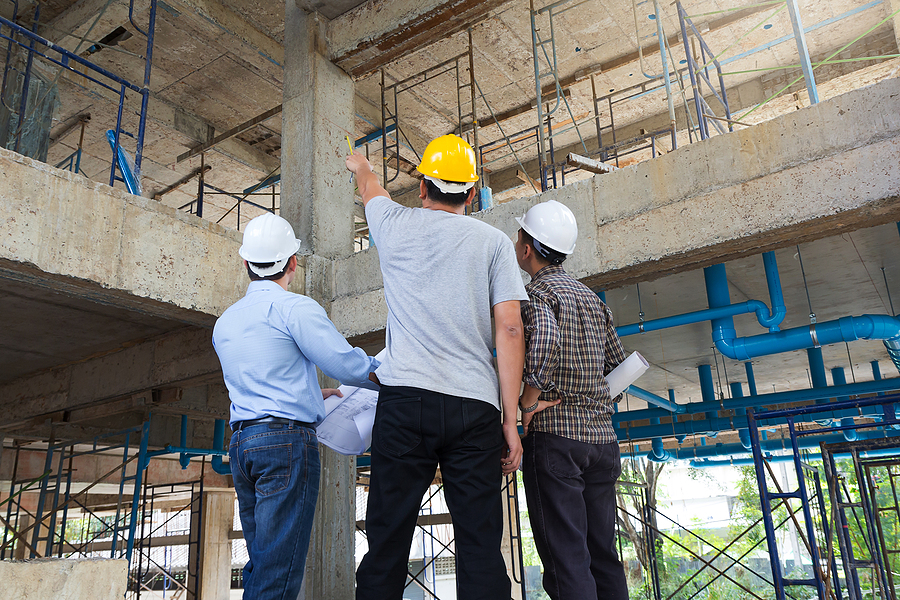
Commercial construction projects are complex endeavors that involve many moving parts, stakeholders, and significant financial investments. From concept to completion, a successful commercial build or remodel hinges on effective project management that ensures cost control, adherence to schedules, and compliance with regulations. This is where professional construction management can make a critical difference.

In this comprehensive guide, we’ll explore the unique value of construction management services in the context of commercial projects, demystifying the role of construction managers, and providing practical insights for anyone looking to undertake a commercial construction venture.

Call 317-253-0531 to Speak With a Commercial Construction Manager in Indianapolis

Key Benefits of Construction Management Services

Cost Efficiency

Effective management translates to better cost control. A construction manager leverages their expertise to forecast potential challenges, adjust project plans, and prevent costly delays. By carefully monitoring budgets and collaborating with subcontractors, they can identify cost-saving opportunities without compromising the project’s integrity.

Timely Project Completion

Time is money, especially in commercial construction. Delays can have a domino effect on a project’s timeline, leading to lost revenue and increased overhead. A construction manager is deeply involved in scheduling, ensuring that tasks are completed on time, and coordinating various project phases to meet critical deadlines.

Quality Control and Compliance

Commercial buildings are subject to an array of safety and quality regulations. A construction manager’s role in risk management extends to ensuring that construction meets the required standards. Their oversight includes quality assurance measures and regular on-site inspections to guarantee that all work is compliant and of the highest quality.

Role of Construction Managers

Planning and Scheduling

One of the construction manager’s central tasks is to develop a comprehensive project plan. This includes creating detailed schedules, coordinating the timing of each construction phase, and foreseeing potential bottlenecks. The goal is to have a smooth, well-orchestrated series of construction activities that lead to a successful completion.

Budget Management

From preparing initial project estimates to managing ongoing expenses, construction managers play a critical role in financial oversight. They work to maintain budgetary discipline, negotiating with suppliers and contractors to secure the best prices and managing the budget’s ebb and flow throughout the project lifecycle.

Risk Assessment and Mitigation

Construction projects inherently carry risk. A skilled construction manager is adept at identifying and categorizing potential risks, from weather and material shortages to design inconsistencies. They then collaborate with the project team to develop and implement strategies that mitigate these risks, ensuring that the project proceeds as smoothly as possible.

Choosing the Right Construction Management Company

Selecting the right construction management company is one of the most critical decisions in your commercial build or remodel. Here are some considerations to keep in mind:

Experience and Reputation

Look for firms with a robust track record in managing projects similar to yours. Positive referrals and a history of successful completions are strong indicators of a reputable construction management company.

Expertise and Team Composition

Assess the skills and experience of the construction management team. The individuals overseeing your project should have a deep understanding of the commercial construction sector and proven track records in their specializations.

Communication and Collaboration

Strong communication is key to a successful construction project. Ensure that the company you choose places a high value on transparent communication, both within their team and with project stakeholders.

Project Management Approach

Different companies may have distinct project management methodologies. Discuss these approaches with the prospective companies to find one that aligns with your project’s needs and your own organization’s culture.

Conclusion

Construction management services are a beacon of organization in the sometimes chaotic waters of commercial construction. By placing the responsibility of oversight and strategic planning in the hands of experienced professionals, businesses and property owners can ensure that their projects are not only delivered on time and within budget but also meet the highest standards of quality and compliance.

The decision to enlist the help of a construction management company is an investment in the smooth execution of your commercial project, and, ultimately, in the success of your business. In a competitive market where image, location, and efficiency are paramount, professional construction management is the bridge between a vision and a viable, impressive reality.

For those about to undertake a commercial build or remodel, the wisdom lies not just in building, but in the administration of that construction. Contact BAF Corporation at 317-253-0531 for licensed and experienced commercial construction management in Indianapolis, Indiana. With decades of leadership in the AEC (architecture, engineering, construction) sector, coupled with our up-to-date technologies and resources, we create an efficient construction process that fulfills engineering and design requirements, timelines, budgets, and beyond.

Related Posts:

Outsourcing Construction Management: A Guide for Business Owners and Developers
What Does a Commercial Construction Manager Do?
Advice on Commercial Construction Budget Control and Management

Navigating Commercial Building Permits and Regulations in Indiana

In the complex tapestry of modern real estate development and commercial business, there exists a critical yet often undervalued component: the labyrinth of building permits and regulations. These statutory requirements can seem like the red tape of progress, but in reality, they are the safeguards of a community’s well-being and a compass for sustainable growth.

Demystifying this process is crucial for any real estate developer, business owner, or building manager hoping to see their project come to fruition. To walk you through this challenging terrain, we will explore Indiana’s building permit jungle, offer strategies for success, and inspire confidence in the face of formidable regulatory landscapes.

Call 317-253-0531 for Commercial Space Planning and Permit Service in Indianapolis

Understanding Commercial Building Permits

Commercial building permits are official approvals from local or state authorities that grant permission to commence construction, renovation, or any structural changes to a commercial property. This legal document is the cornerstone of any building project, confirming compliance with safety codes, land use ordinances, and zoning laws.

The significance of this permit cannot be overstated. In the event of an accident or regulatory inspection, a valid permit signifies that the structure was built according to safe and approved design and material standards, protecting the owners and users of the building. In a broader context, building permits ensure that commercial development aligns with the community’s growth plan, maintaining functionality and aesthetic harmony within the city or town.

Navigating Construction Regulations in Indiana

Indiana’s commercial building landscape is shaped by a complex web of regulations, including the Indiana Building Code. This code, which adopts national standards, outlines specific requirements for safety, energy efficiency, and accessibility. Interwoven within these standards are state and local amendments, unique to Indiana’s economic and environmental needs.

The Impact of Regulations on Development

Regulations can significantly influence not only the developmental possibilities but also the costs and timelines associated with projects. Stringent amendments and evolving standards may demand design changes and the use of more expensive materials, thus affecting the bottom line and potentially delaying the completion of the project.

Key Steps in Obtaining Permits:

Researching Local Regulations and Zoning Laws

Before one brick is laid, extensive research is needed to understand the full scope of regulations that may apply. Zoning laws, which dictate how a property can be used, are particularly crucial as they determine the type of commercial activities permitted on the site.

Engaging with Local Authorities

Effective communication with local building authorities is your lifeline in permit acquisition. Regular dialogues and pre-application meetings can clarify uncertain regulations and help set realistic expectations for the project.

Ensuring Compliance Throughout Construction

Obtaining the permit is just the beginning. Compliance must be a guiding principle throughout every phase of construction, ensuring that no sudden regulatory hurdles become insurmountable. This is a major reason why professional construction and space planning services are the best approach to any commercial build or remodel.

Addressing Common Challenges

Navigating the permit realm often unveils challenges such as unclear or changing regulations, inspection delays, or unforeseen requirements that can stall progress and inflate costs. Maintaining a flexible construction plan that can adapt to evolving regulations is key. Establishing strong working relationships with local inspectors and having a clear line of communication with the permitting agency can significantly lessen the impact of these challenges.

Conclusion

Commercial building permits and regulations are the unseen but indispensable partners in any construction or renovation venture. Understanding, respecting, and mastering this important process is not only mandatory for compliance but can also herald a project’s success and long-term value. By prioritizing regulatory compliance, real estate developers, business owners, and building managers can confidently steer their commercial projects toward a prosperous future.

Ready to bring your commercial project to life in Indianapolis, Indiana, without the headaches of navigating permits and regulations? Contact BAF Corporation at 317-253-0531 and let our experts guide you through every step of the commercial space planning and permitting process. With a deep understanding of local laws and years of experience, we’re your partner in ensuring your project exceeds expectations while adhering to all regulatory requirements. Don’t let permits stand in the way of your vision.

Related Posts:

Top Factors to Consider When Planning Your Commercial Space
The Planning and Development Process of a Commercial Construction Project
The Importance of Commercial Space Planning Service

Exploring Types of Shell Leases for Commercial Spaces

Navigating the intricate realm of commercial real estate involves understanding the myriad lease options available. Among these, shell leases stand out as a flexible and dynamic solution for both lessors and lessees. This blog dissects the different varieties of shell leases available, shedding light on what each one entails, and which might be most beneficial for specific scenarios.

Call 317-253-0531 for Commercial Vanilla Shell Remodeling and Construction in Indianapolis

The Significance of Shell Leases in Commercial Real Estate (CRE)

Small business owners, franchisees, and entrepreneurs alike are no strangers to the complexities of property agreements. Shell leases, in particular, are instrumental in dictating the terms of engagement when it comes to commercial space. These leases form the fundamental framework upon which the lessee can build their ideal working environment, often involving significant investments in interior development and fit-outs.

Understanding the implications of various types of shell leases empowers tenants and landlords to structure agreements in ways that align with their business objectives, financial capabilities, and risk tolerance levels.

4 Common Types of Shell Leases

When it comes to engaging in a shell lease, the devil is in the details. Here, we break down four primary categories of shell leases to help you discern what might be the best fit for your commercial aspirations.

Warm Shell Lease

The warm shell lease is a middle ground between the extreme points of the “cold” and “vanilla” spectrum. Under this lease, the landlord provides a space with the basic structure and systems in place, sometimes including flooring and painting. However, amenities such as HVAC, interior walls, and lighting are not typically included.

Features and Benefits

  • Provides a semi-finished space that can be operational with minimal investment
  • Offers a faster move-in timeframe compared to a cold shell
  • Still allows for substantial tenant customization to tailor the space to specific needs

Possible Drawbacks

  • Tenants may find limitations in the extent of build-out flexibility
  • Initial costs can be higher than a cold shell, especially if the provided elements require modification

Ideal Scenarios

This type of lease is ideal for lessees who need a midway point where they can set up and operate quickly, while still maintaining a certain level of interior customization.

Cold Shell Lease

At the more minimal end, a cold shell lease provides a vanilla shell but with less equipment or finishings. It often equates to an entirely unfinished space, with no walls, ceilings, or interior finishes. The space is typically a clean, sealed structure ready for adaptation to the specific needs of the tenant.

What Cold Shell Leases Offer

  • Blank canvas for complete tenant customization
  • Typically longer lease terms with opportunities for cost-sharing expenses with the landlord
  • More control over the design and construction process without considerations for pre-existing interior structures

When to Consider a Cold Shell Lease

Businesses that have the capacity and vision for an interior space built to their exact specifications would find the cold shell lease a beneficial starting point.

Vanilla Shell Lease

The vanilla shell lease offers a bit more than the cold shell by providing the basic structure of a commercial space with certain elements installed. Common inclusions are the roof, exterior walls, windows, doors, and sometimes even the basic capacities of electrical and plumbing systems.

Defining Features of a Vanilla Shell Lease

  • Allows tenants forego the construction or installation of major structural elements
  • Provides a platform for interior design and customization
  • Typically shorter move-in periods due to available basics

Pros and Cons of a Vanilla Shell Lease

  • Reduced Tenant Improvement (TI) costs compared to a warm shell
  • Less initial investment required, but may still lead to higher costs for additional fit-outs

Ideal Applications for a Vanilla Shell Lease

This lease can be a sweet deal for lessees with specific yet adaptable business needs who seek a middle ground where they can make the space their own without major structural work.

Grey Shell Lease

Sitting just beyond the vanilla shell, the grey shell lease is a space with some of the more intricate systems of the HVAC, plumbing, and electricity already installed but not yet active. There may be some interior finishes such as ceiling tiles but not to a useable or business-reflective standard.

Key Components of a Grey Shell Lease

  • Intermediate level of inclusions requiring less initial investment for redundant systems
  • Time-saving advantage as some of the basic systems are in place and just require activation
  • Allows for a certain level of tenant input on finishing materials and details

Pros and Cons of Grey Shell Leases

  • Offers a good balance of provided amenities and tenant customizability
  • Tenant may encounter some strategic challenges in coordinating with the landlord on finishing works

Compatible Business Types

This practical lease solution can cater to businesses seeking a space with a robust structure that requires more than the basics but not a full-blown interior overhaul.

Conclusion

In sum, choosing the right shell lease type is a critical first step in the commercial space leasing process. Each type caters to different needs and preferences and has implications on cost, customization, and timeline. By understanding the nuances of these lease models, tenants and landlords can forge agreements that foster successful and satisfying partnerships.

Navigating the commercial real estate market is a constant learning curve, but with the right knowledge, each curveball can present an opportunity rather than a challenge. Whether venturing into your first commercial space lease or looking to optimize your existing business location, taking the time to select the right shell lease type can enhance your experience and outcomes in the world of commercial property.

Are you looking for a trusted commercial general contracting company who can turn your leased commercial space into exactly what your business needs? Contact BAF Corporation at 317-253-0531 for help with everything from space planning and permitting to tenant remodeling, retail franchising, and more in Indianapolis, Indiana. We serve clients all throughout the state.

Related Posts:

What is White Box Commercial Real Estate Construction?
What is a Build-to-Suit Commercial Lease?
Options for Getting Out of a Commercial Lease

Plan for Success: The Value of Preconstruction Services for Commercial Builds

Commercial construction is a complex and multifaceted industry, where milestones and intricacies must align seamlessly to bring ambitious projects to life. One critical component that often separates the mundane from the magnificent is the preconstruction phase. The series of services leading up to the actual groundbreaking can dictate the direction and success of a commercial build.

This blog post will explore the invaluable role of preconstruction services for stakeholders in the commercial building sphere, from developers to investors and business professionals. We’ll investigate why involving preconstruction teams early can not only streamline the project but also enhance its overall quality and success.

Call 317-253-0531 for Commercial Preconstruction Solutions in Indianapolis

Understanding Preconstruction Services

Before we dig into their impact, it’s essential to define what we mean by preconstruction services. This phase of a commercial build involves all the planning and preparation work before actual construction begins. It’s a strategic period that sets the stage for an efficient and effective building process.

Preconstruction services encompass:

Design and Cost Management
Collaborating with architects and engineers to balance design aspirations with financial constraints.

Site Evaluation and Utilization
Identifying the ideal location and optimal use of the commercial space.

Scheduling and Planning
Drafting a comprehensive timeline and strategy to meet project goals and deadline.

Risk Assessment
Evaluating potential hazards and challenges to preempt and solve them proactively.

The importance of these services cannot be overstated. Early alignment of stakeholders, clear communication, and strategic planning result in reduced costs, minimized delays, and a more thoroughly structured project.

Benefits for Commercial Developers

The firsthand beneficiaries of robust preconstruction planning are commercial developers. They are the visionaries tasked with bringing bold commercial spaces from concept to reality.

For developers, preconstruction services offer:

Accurate Cost Estimation
An informed understanding of the financial investment required for a project.

Value Engineering
Suggesting alternative materials and methods to maximize value without compromising on quality.

Risk Mitigation
Preemptive solutions to minimize the impact of unexpected variables on the construction phase.

By leveraging preconstruction services, developers ensure the commercial building is not just a realized dream but also a financially viable asset for the future.

Advantages for Real Estate Investors

Investors are on the lookout for sound opportunities and returns on their investment. The preconstruction phase is where these aspirations are translated into an executable plan.

Preconstruction services provide:

Enhanced ROI Analysis
In-depth assessments that help investors make informed decisions and maximize returns.

Market Research
Insights that help align the project with current and future market demands.

Comprehensive Project Coordination
Seamless orchestration of various elements to ensure a successful, timely completion.

Ultimately, the meticulous groundwork done during preconstruction ensures that the building’s potential, in terms of cash flow and asset appreciation, can be actualized.

Value for Business Owners and Franchisers

For business owners and franchisers, the commercial space is more than just bricks and mortar. It’s the foundation of operations and the space where their brand and business identity take shape.

Preconstruction services deliver:

Customization and Branding Considerations
Design and layout options that reflect the unique aspects of the business.

Compliance and Regulatory Support
Navigating the complex web of building codes, permits, and regulations.

Quality Control
Ensuring the finished product aligns with the highest standards of quality and functionality.

Involvement in the preconstruction phase enables business owners to wield significant influence over the development of a space tailored to not just their needs, but to create a strategic advantage in the marketplace.

Final Thoughts

In a competitive market where time and resources are precious commodities, the diligence of preconstruction sets the standard for efficiency and sustainable success. It’s a proactive investment that pays dividends in the form of reduced costs, increased ROI, and a more robust commercial offering.

The call to action is clear. For those on the cusp of a commercial build, involving preconstruction experts from the outset is not just best practice — it’s a recipe for triumph in the construction industry.

If you’re ready to take the next step in your commercial project, reach out to our professionals. Contact BAF Corporation at 317-253-0531 for commercial preconstruction and space planning service in Indianapolis, Indiana. From space planning and permitting to design build construction, we are your one-stop-shop for all your commercial construction and building needs.

Related Posts:

Why Design Build Construction is the Right Choice for Your New Business
The Planning and Development Process of a Commercial Construction Project
What Professional Commercial Space Planning Do For You

Commercial Wallcoverings: Enhancing Spaces with Style

Within the world of interior design and space planning, each component plays a role in shaping the professional look and usability of a commercial space. Wallcoverings, in particular, offer a canvas to portray your brand’s messaging, create an ambiance that resonates with customers, and enhance the overall experience of a place. But with various options available in the market, selecting the right wallcovering for your commercial space can be a daunting task.

This comprehensive guide intends to ease that decision-making process for hotel owners, retail spaces, office managers, and property developers by shedding light on the types, benefits, and selection strategies for commercial wallcoverings. Scroll down to get started!

Call 317-253-0531 for Commercial Wallcoverings in Indianapolis Indiana

Types of Commercial Wallcoverings

Commercial wallcoverings come in a wide range of styles, patterns, and textures, offering versatility to suit various design preferences. Each type brings unique benefits, such as durability, sound absorption, or easy maintenance. Such options make commercial wallcoverings ideal for different spaces, such as offices, hotels, clinics, or restaurants. Choose the perfect one to elevate the aesthetic appeal and functionality of your space. Here are some common selections to consider:

Vinyl

Vinyl wallcoverings lead the industrial sector due to their superior durability and moisture-resistant qualities. Especially suitable for high-traffic areas such as hospitals and restaurants, vinyl wallcoverings are easy to clean and maintain, providing long-term value.

Fabric

Fabric wallcoverings exude luxury and are popular in upscale settings due to their rich texture and noise-absorbing properties. Hotels and corporate offices often opt for fabric wallcoverings to impart a lavish yet sophisticated feel.

Natural Material

Featuring a range of organic materials like grasscloth, sisal, or cork, natural wallcoverings appeal to Eco-conscious design schemes and create a warm, earthy ambiance. Their textural appeal makes them a favored choice for spas and wellness centers.

Specialty Finishes

For spaces demanding a unique, standout wall feature, metallic, reflective, or textured finishes provide an eye-catching allure perfect for retail and boutique environments.

Benefits of Commercial Wallcoverings

The right commercial wallcovering can be a game-changer, offering a multitude of benefits beyond just aesthetic enhancement.

☑ Durability and Longevity

In comparison to traditional wall paint, commercial wallcoverings are more robust and built to endure heavy use over extended periods. This longevity ensures that your interior retains its polished look for years to come.

☑ Customization and Branding

Custom-printed wallcoverings provide an opportunity to showcase brand colors, logos, and themes, reinforcing brand identity within the space. They offer a canvas for storytelling, turning walls into a dynamic form of brand communication.

☑ Easy Maintenance and Cleanliness

Many commercial wallcoverings are designed for simple maintenance, which is crucial in high-traffic environments. Stains and dirt can be wiped away easily, minimizing the downtime needed for cleaning.

☑ Aesthetic Versatility

From classic elegance to bold contemporary designs, wallcoverings can transform any space, adapting to the desired atmosphere. They provide a range of options, including vibrant prints, subtle textures, and color gradients that add depth and interest to a room.

Choosing the Right Wallcoverings

Selecting the perfect wallcovering is an art that involves careful consideration of several factors, such as the purpose of the space, the demographic, and the desired atmosphere.

Hotels: Luxury and comfort are paramount; opt for durable, non-fading materials to withstand guest turnover.

Retail: Wallcoverings should draw attention and create an inviting ambiance. High durability and easy maintenance are essential in this setting.

Offices: Consider the impact on office productivity and the overall workplace culture. Sound-absorbing options can reduce noise levels and improve the working environment.

Clinics: Moisture-resistant and easy-to-clean wallcoverings are critical in healthcare environments, where hygiene is crucial.

Restaurants: Wallcoverings should be easy to maintain, somewhat water-proof, and resistant to stains, while also setting the right mood for dining.

Schools: Durable, textured options work best in high-traffic areas like hallways and classrooms, while fun and bright patterns can enhance creativity in younger students.

Color Schemes and Patterns

Color choices can influence mood, so consider the psychological effects of various shades when choosing a wallcovering. Cohesive color schemes that match the branding or theme of the space are essential.

Patterns can enhance the perceived size of a room and offer a structured or free-flowing aesthetic. Be mindful of the balance between the size of the patterns and the size of the room to avoid overwhelming the space.

Texture and Material

Each material offers a distinct tactile experience and aesthetic. Consider the expectations of your clientele and the tactile elements that could augment the space, bearing in mind ease of cleaning for each material type.

Installation and Maintenance Tips

While the initial selection is important, proper installation and ongoing maintenance are critical to maximizing the benefits of commercial wallcoverings.

Professional Installation

For a flawless finish and to ensure warranties are upheld, commercial wallcoverings should be installed by professional commercial drywall contractors familiar with the intricacies of each material.

Cleaning Techniques

Regular cleaning maintains the look and hygiene of the interior. Understanding the appropriate cleaning techniques for each wallcovering type is crucial to avoid damage. For vinyl wallcoverings, a simple solution of water and mild detergent is sufficient for regular cleaning.

As for fabrics and natural materials, these typically require a more delicate approach to avoid fraying or loosening of fibers. Dry methods like vacuuming with a soft brush attachment are often recommended.

Maintenance Schedules

Developing a maintenance schedule based on the traffic and use of the space can prevent any major cleaning or damage issues. Regular dusting and spot-cleaning are typical components of such schedules.

In Summary

Commercial wallcoverings are an integral element of interior design that can add flair, durability, and personalization to any space. By considering the different types, their varied benefits, and the selection strategies, businesses can make informed decisions that resonate with their specific needs and objectives. The lasting impression of a well-designed environment not only leaves a mark on visitors but also serves as a testament to the brand’s commitment to quality and excellence.

For businesses aiming to excel in their market, commercial wallcoverings represent an investment not just in design, but in the overall success of their enterprise. Contact BAF Corporation at 317-253-0531 for help with commercial drywall, painting, and wallcoverings in Indianapolis, Indiana. We serve clients throughout the state.

Related Posts:

Common Drywall Texture Styles for Commercial Buildings
Can a Commercial Paint Job Benefit My Business?
Types of Drywall Textures Recommended for Commercial and Industrial Buildings

Breaking the Glass Ceiling: International Women’s Day Insights

March 8th marks a pivotal day in the calendar, a day on which the global community pauses to reflect on and celebrate the social, economic, cultural, and political achievements of women. International Women’s Day is not just about acknowledging women’s contributions but is also a clarion call for gender equality.

In this comprehensive blog post, we will explore the multifaceted impact of International Women’s Day, share inspiring success stories, and analyze the growing influence of women across various domains. For feminists, entrepreneurs, gender equality advocates, business owners, shoppers, and consumers, join us in unraveling the narrative of women’s empowerment worldwide.

#BreaktheBias - International Women's Day 2024
#BreaktheBias – International Women’s Day 2024

International Women’s Day – A Legacy of Empowerment

International Women’s Day has a long heritage, dating back to the early 1900s. It was instrumental in the mission for better pay, improved working conditions, and the right to vote. The movement has only grown stronger with time, with its focus evolving to encompass a broader sphere, fostering empowerment from the grassroots level to international platforms.

Empowerment movements have had a significant effect on women’s rights, both in legal statutes and societal attitudes. International Women’s Day has served as a catalyst for change, sparking movements that alter the status quo and open new pathways for women’s advancement. Even in the most conservative societies, the day fosters conversations and collective action. It has been instrumental in driving home the message of equality and non-discrimination, laying the groundwork for more inclusive societies.

Shattering Stereotypes with a Success Story in Indiana

To captivate the essence of International Women’s Day, we turn to success stories of women who have broken barriers and achieved pinnacles in their respective fields. Take the Owner and Operator of BAF Corporation in Indianapolis, Indiana, Barbara A. Fleming.

Barb Fleming’s remarkable career is a testament to her varied talents and entrepreneurial spirit. With a foundation in mathematics from Purdue University and additional graduate studies at the University of Notre Dame, Fleming began her professional life by imparting knowledge as a math teacher at Lawrence Central High School. Her career trajectory took an enterprising turn when she joined Luminate, where she excelled in sales and lighting design, quickly ascending to the position of Vice President. During her tenure, she played a pivotal role in providing lighting solutions for significant projects like the Hoosier Dome and AUL Tower. In what would be a watershed moment, Fleming transitioned to a leadership role at BRSI, which later became known as Oracle Consulting, serving as Vice President.

However, the true hallmark of her diverse career came when she channeled her extensive experience into founding BAF Corporation in 1997, a move that underscored her bold commitment to vision and leadership. Since then, BAF Corporation has earned a solid reputation as a full-service commercial construction and general contracting company by turning out a superior product that is completed on time and within budget. In fact, since our inception, we’ve experienced unprecedented success, growing from just one employee to now three team leaders, including revenues starting at $75 thousand to over $5 million!

Barb’s narrative, like most women entrepreneurs, is not just about individual success; it’s also about making a substantial difference in the lives of others, thus weaving her personal mission into her professional life seamlessly. From political leaders to business magnates, numerous influential women have wielded their power to challenge gender norms and expectations, carving out spaces for themselves and others. By spotlighting these trailblazers, we provide models of success and inspiration for others to follow in their footsteps.

The Importance of Gender Equality in Business

Gender equality is not just a moral imperative, it is also good for business. Diversity in the workplace fosters innovation, and companies with a balanced gender representation outperform those without it. On International Women’s Day, we spotlight initiatives that aim to increase the number of women in leadership positions and their impact on corporate culture. Corporate campaigns for gender parity are accelerating change. From mentorship programs to inclusive policies, businesses are starting to recognize the value of an equitable work environment, ultimately serving to empower women within the corporate setting.

Women’s Influence on Consumer Trends

The influence of women on consumer behavior cannot be overstated. International Women’s Day is an occasion to magnify the economic power and potential of women as decision-makers in households and markets. Women are the largest demographic group globally, and their spending power has continued to surge. Understanding and harnessing this consumer trend is key for businesses looking to drive their sales and brand loyalty.

Celebrating and Supporting Female Triumphs

In commemorating International Women’s Day, it is also crucial to highlight and applaud the numerous initiatives and policies that support women’s empowerment and advance gender equality. From micro-financing programs to education initiatives, a variety of efforts are progressively enhancing the position of women in society. Organizations and movements worldwide have been pivotal in ensuring that women have the opportunity and support to thrive. Celebratory events coupled with actionable programs create a potent blend that is driving significant progress.

Supporting Women-Owned Businesses

International Women’s Day is not just a day. It’s a continued imperative for change and the ongoing fight for gender equality. This occasion serves as a poignant reminder of how far we’ve come and how far we want to push the boundaries. Empowering women is not solely the responsibility of women. It’s a collective endeavor that calls for the participation of everyone. Through education, support for entrepreneurs, shaping policies, and every interaction that respects a woman’s dignity and rights, we can collectively make a difference.

Final Thoughts

In honoring International Women’s Day, we encourage you to actively seek out and support women-owned businesses. Whether it’s through direct patronage, amplifying their voices on social media, or contributing to initiatives that support these entrepreneurs, your actions can have a meaningful impact on the empowerment and success of women worldwide.

International Women’s Day stands as a beacon of hope and a testament to the resilience and achievement of women. By acknowledging this day and actively participating in the movements it propels, we continue to push the needle towards a more equitable and inclusive world. To all the phenomenal women and their allies, Happy International Women’s Day!

Looking for general contractor construction services in the Indy areas for your business or commercial space? Contact BAF Corporation at 317-253-0531 for full-service commercial general contracting and construction in Indianapolis, Indiana. From design build and space planning to construction management and more, we have the commercial construction solutions you need to catapult your business to the next level of success.

Related Posts:

Today is International Women’s Day!
BAF Corporation is Your One-Stop-Shop for Commercial Design Build
BAF Corporation is Voted ‘Best of 2022 Indianapolis’ General Contractors

Maximizing Leasehold Improvements: A Guide for Commercial Tenants

Leasing a commercial space is not merely a transaction; it’s an opportunity for business expansion and customization. One of the core incentives this transaction offers is leasehold improvements, often referred to as a “build-out” or “fit-out” in the commercial real estate vernacular. When executed strategically, these improvements can significantly enhance the functionality and appeal of your business premises.

In this comprehensive guide, we’ll walk you through the complex world of commercial tenant improvements, empowering commercial tenants with the knowledge needed to turn a blank canvas into a dynamic business environment that reflects your brand and elevates your operations.

Call 317-253-0531 for Commercial Leasehold Improvements in Indianapolis Indiana

Understanding Leasehold Improvements

Leasehold improvements broadly encompass any alteration to a leased space undertaken to customize it for the specific needs of the tenant. These alterations could range from simple paint jobs to full-scale renovations, such as partitioning a large open space into private offices or adding fixtures and equipment unique to the tenant’s business.

Types of Commercial Tenant Improvements

There are various types of commercial tenant improvements, each with unique benefits:

Cosmetic enhancements: These include painting, new carpeting, and minor wall adjustments. They are usually the most straightforward and cost-effective upgrades, yet they can do wonders for the aesthetics and atmosphere of the space.

Functional improvements: Think of these as upgrades to the “engine room” of your office—things like electrical work, HVAC adjustments, and installing or modifying utilities to accommodate specialized equipment.

Structural changes: These are significant modifications that can impact the building itself, such as adding or removing walls, changing the floor plan, or altering the layout of the space. They often require more complex planning and compliance with building codes.

Benefits for Businesses

The significance of commercial leasehold improvements for businesses cannot be overstated. By tailoring your commercial space to your unique operational requirements and aesthetic goals, you create an environment that can boost employee morale, improve workflow efficiency, and enhance customer experience. Financially, these renovations can also add value to your business, improving asset base and the ability to resell your business in the future if tenant improvements are done well.

Negotiating Leasehold Improvements

Negotiating for the right to make tenant improvements during your lease term is a critical part of the leasing process. Many first-time tenants underestimate the importance of this negotiation. Here are key points to consider:

Tips for Negotiating with Landlords

Start Early: Space planning and preconstruction are key elements in the process. Begin discussions about desired renovations and repairs before the lease is finalized or use sketches and notes to convey your vision to the landlord.

Be Clear and Detailed: Develop a thorough scope of work outlining each renovation or repair you’re proposing. Clarity and detail reduce ambiguity and the potential for disputes.

Understand Landlord’s Perspective: Landlords are typically more amenable to tenant improvement plans that add value to the property. Frame your requests in terms of sustainability and long-term asset enhancement.

Cost Considerations and Budgeting

Factor in the Unknowns: Construction projects often have unforeseen costs. A good rule of thumb is to budget at least 10-15% of the construction cost for unexpected expenses.

Assess Long-Term Expenses: Consider the energy efficiency and ongoing maintenance costs of new systems and fixtures. The initial investment in a higher quality system or material could lead to long-term savings.

Consult a Construction Company Early: Commercial general contractors can provide ballpark figures based on similar past projects. Involving them early can prevent over-engineering or under-bidding on work.

Execution of Commercial Tenant Improvements

Once the negotiation phase is complete, the focus shifts to executing the renovations or remodels. This is the stage where the plans become reality, and it’s crucial to manage the process with precision.

Hiring a Commercial General Contractor and Managing Timelines

Choose a Company with Experience: Look for a construction company that specializes in commercial projects and understands the unique demands of your business sector.

Create a Realistic Timeline: Work with your construction contractor to establish a timeline that aligns with your business needs, as delays can have a significant impact on your operations and bottom line.

Communicate Openly and Often: Regular communication with your construction manager can help to identify and solve problems early, keeping the project on track.

Compliance with Regulations and Agreements

Permitting and Codes: Be aware of the local building codes and permitting processes. Failure to comply can lead to costly delays or worse—legal ramifications.

Insurance and Liabilities: Understand what your insurance covers and make sure your commercial general contracting team (and any subcontractors) have their own policies. Clarity on liability can protect all parties involved.

Protect Leaseholder Rights: Ensure that the lease clearly specifies tenants’ rights and obligations regarding improvements. This can protect you if the landlord sells the property during the lease term or if there is a dispute regarding the condition of the space at the end of the lease.

Maximizing Value from Tenant Improvements

The key to maximizing the value of commercial tenant renovations is to approach the process holistically, balancing the short-term benefits with long-term business goals.

Enhancing Functionality and Aesthetics

Design with Efficiency in Mind: Work with an architect or interior designer to ensure the layout and design of your renovations optimize the space for your business needs.

Choose Durable Materials: In high-traffic areas, durability is key. Look for materials that can withstand the demands of a commercial environment without sacrificing style.

Acoustics and Comfort: Renovations that enhance acoustic, reduce noise, and provide ergonomic workspaces can lead to a more productive and comfortable work environment.

Long-Term Benefits for the Business

Scalability: Design your improvements with potential future growth in mind. Can walls be easily moved? Are utilities accessible for future expansion?

Technology Integration: Ensure your space is designed to accommodate current and future technological needs, from data cabling to power needs for modern office equipment.

Sustainability and Energy Efficiency: The commercial world is increasingly focused on sustainability. Consider energy efficiency improvements that reduce your environmental impact and operating costs, like energy-efficient lighting and advanced building management systems.

Conclusion

The process of commercial tenant leasehold improvements is a significant opportunity for commercial tenants to mold their workspace in a way that directly supports their business objectives. By understanding the intricacies of this process—from negotiating the initial permit to the execution of the project—and focusing on the long-term value rather than short-term costs, tenants can gain a competitive edge in the commercial real estate market.

If you’re a commercial tenant preparing for a lease negotiation or improvement project, the expertise of a professional commercial general contractor can be invaluable. They not only bring construction know-how to the table but can also provide insight and advice derived from experience with similar projects in their portfolio.

Don’t leave the potential of your commercial space untapped; with the right approach to leasehold improvements, you can create a dynamic environment that sets the stage for your business to thrive. Contact BAF Corporation at 317-253-0531 to speak with an expert Indianapolis commercial general contractor about your options for tenant improvement remodeling and more. We serve clients in all industries and throughout all of Central Indiana.

Related Posts:

Essential Repairs to Do Before Listing Your Commercial Office Space on the Market
Tenant Improvements: Enhancing Your Commercial Space
Understanding Landlord-Funded Build-Out Allowances in Indiana