Elevate Your Commercial Project with Expert Construction Management Services

Commercial construction projects are complex endeavors that involve many moving parts, stakeholders, and significant financial investments. From concept to completion, a successful commercial build or remodel hinges on effective project management that ensures cost control, adherence to schedules, and compliance with regulations. This is where professional construction management can make a critical difference.

In this comprehensive guide, we’ll explore the unique value of construction management services in the context of commercial projects, demystifying the role of construction managers, and providing practical insights for anyone looking to undertake a commercial construction venture.
Call 317-253-0531 to Speak With a Commercial Construction Manager in Indianapolis

Key Benefits of Construction Management Services

Cost Efficiency

Effective management translates to better cost control. A construction manager leverages their expertise to forecast potential challenges, adjust project plans, and prevent costly delays. By carefully monitoring budgets and collaborating with subcontractors, they can identify cost-saving opportunities without compromising the project’s integrity.

Timely Project Completion

Time is money, especially in commercial construction. Delays can have a domino effect on a project’s timeline, leading to lost revenue and increased overhead. A construction manager is deeply involved in scheduling, ensuring that tasks are completed on time, and coordinating various project phases to meet critical deadlines.

Quality Control and Compliance

Commercial buildings are subject to an array of safety and quality regulations. A construction manager’s role in risk management extends to ensuring that construction meets the required standards. Their oversight includes quality assurance measures and regular on-site inspections to guarantee that all work is compliant and of the highest quality.

Role of Construction Managers

Planning and Scheduling

One of the construction manager’s central tasks is to develop a comprehensive project plan. This includes creating detailed schedules, coordinating the timing of each construction phase, and foreseeing potential bottlenecks. The goal is to have a smooth, well-orchestrated series of construction activities that lead to a successful completion.

Budget Management

From preparing initial project estimates to managing ongoing expenses, construction managers play a critical role in financial oversight. They work to maintain budgetary discipline, negotiating with suppliers and contractors to secure the best prices and managing the budget’s ebb and flow throughout the project lifecycle.

Risk Assessment and Mitigation

Construction projects inherently carry risk. A skilled construction manager is adept at identifying and categorizing potential risks, from weather and material shortages to design inconsistencies. They then collaborate with the project team to develop and implement strategies that mitigate these risks, ensuring that the project proceeds as smoothly as possible.

Choosing the Right Construction Management Company

Selecting the right construction management company is one of the most critical decisions in your commercial build or remodel. Here are some considerations to keep in mind:

Experience and Reputation

Look for firms with a robust track record in managing projects similar to yours. Positive referrals and a history of successful completions are strong indicators of a reputable construction management company.

Expertise and Team Composition

Assess the skills and experience of the construction management team. The individuals overseeing your project should have a deep understanding of the commercial construction sector and proven track records in their specializations.

Communication and Collaboration

Strong communication is key to a successful construction project. Ensure that the company you choose places a high value on transparent communication, both within their team and with project stakeholders.

Project Management Approach

Different companies may have distinct project management methodologies. Discuss these approaches with the prospective companies to find one that aligns with your project’s needs and your own organization’s culture.

Conclusion

Construction management services are a beacon of organization in the sometimes chaotic waters of commercial construction. By placing the responsibility of oversight and strategic planning in the hands of experienced professionals, businesses and property owners can ensure that their projects are not only delivered on time and within budget but also meet the highest standards of quality and compliance.

The decision to enlist the help of a construction management company is an investment in the smooth execution of your commercial project, and, ultimately, in the success of your business. In a competitive market where image, location, and efficiency are paramount, professional construction management is the bridge between a vision and a viable, impressive reality.

For those about to undertake a commercial build or remodel, the wisdom lies not just in building, but in the administration of that construction. Contact BAF Corporation at 317-253-0531 for licensed and experienced commercial construction management in Indianapolis, Indiana. With decades of leadership in the AEC (architecture, engineering, construction) sector, coupled with our up-to-date technologies and resources, we create an efficient construction process that fulfills engineering and design requirements, timelines, budgets, and beyond.

Related Posts:

Outsourcing Construction Management: A Guide for Business Owners and Developers
What Does a Commercial Construction Manager Do?
Advice on Commercial Construction Budget Control and Management

Navigating Commercial Building Permits and Regulations in Indiana

In the complex tapestry of modern real estate development and commercial business, there exists a critical yet often undervalued component: the labyrinth of building permits and regulations. These statutory requirements can seem like the red tape of progress, but in reality, they are the safeguards of a community’s well-being and a compass for sustainable growth.

Demystifying this process is crucial for any real estate developer, business owner, or building manager hoping to see their project come to fruition. To walk you through this challenging terrain, we will explore Indiana’s building permit jungle, offer strategies for success, and inspire confidence in the face of formidable regulatory landscapes.

Call 317-253-0531 for Commercial Space Planning and Permit Service in Indianapolis

Understanding Commercial Building Permits

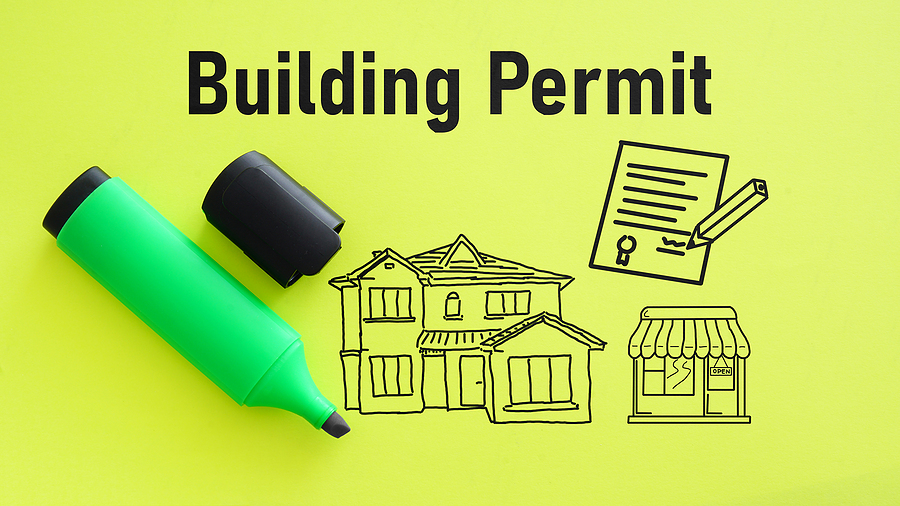
Commercial building permits are official approvals from local or state authorities that grant permission to commence construction, renovation, or any structural changes to a commercial property. This legal document is the cornerstone of any building project, confirming compliance with safety codes, land use ordinances, and zoning laws.

The significance of this permit cannot be overstated. In the event of an accident or regulatory inspection, a valid permit signifies that the structure was built according to safe and approved design and material standards, protecting the owners and users of the building. In a broader context, building permits ensure that commercial development aligns with the community’s growth plan, maintaining functionality and aesthetic harmony within the city or town.

Navigating Construction Regulations in Indiana

Indiana’s commercial building landscape is shaped by a complex web of regulations, including the Indiana Building Code. This code, which adopts national standards, outlines specific requirements for safety, energy efficiency, and accessibility. Interwoven within these standards are state and local amendments, unique to Indiana’s economic and environmental needs.

The Impact of Regulations on Development

Regulations can significantly influence not only the developmental possibilities but also the costs and timelines associated with projects. Stringent amendments and evolving standards may demand design changes and the use of more expensive materials, thus affecting the bottom line and potentially delaying the completion of the project.

Key Steps in Obtaining Permits:

Researching Local Regulations and Zoning Laws

Before one brick is laid, extensive research is needed to understand the full scope of regulations that may apply. Zoning laws, which dictate how a property can be used, are particularly crucial as they determine the type of commercial activities permitted on the site.

Engaging with Local Authorities

Effective communication with local building authorities is your lifeline in permit acquisition. Regular dialogues and pre-application meetings can clarify uncertain regulations and help set realistic expectations for the project.

Ensuring Compliance Throughout Construction

Obtaining the permit is just the beginning. Compliance must be a guiding principle throughout every phase of construction, ensuring that no sudden regulatory hurdles become insurmountable. This is a major reason why professional construction and space planning services are the best approach to any commercial build or remodel.

Addressing Common Challenges

Navigating the permit realm often unveils challenges such as unclear or changing regulations, inspection delays, or unforeseen requirements that can stall progress and inflate costs. Maintaining a flexible construction plan that can adapt to evolving regulations is key. Establishing strong working relationships with local inspectors and having a clear line of communication with the permitting agency can significantly lessen the impact of these challenges.

Conclusion

Commercial building permits and regulations are the unseen but indispensable partners in any construction or renovation venture. Understanding, respecting, and mastering this important process is not only mandatory for compliance but can also herald a project’s success and long-term value. By prioritizing regulatory compliance, real estate developers, business owners, and building managers can confidently steer their commercial projects toward a prosperous future.

Ready to bring your commercial project to life in Indianapolis, Indiana, without the headaches of navigating permits and regulations? Contact BAF Corporation at 317-253-0531 and let our experts guide you through every step of the commercial space planning and permitting process. With a deep understanding of local laws and years of experience, we’re your partner in ensuring your project exceeds expectations while adhering to all regulatory requirements. Don’t let permits stand in the way of your vision.

Related Posts:

Top Factors to Consider When Planning Your Commercial Space
The Planning and Development Process of a Commercial Construction Project
The Importance of Commercial Space Planning Service

Exploring Types of Shell Leases for Commercial Spaces

Navigating the intricate realm of commercial real estate involves understanding the myriad lease options available. Among these, shell leases stand out as a flexible and dynamic solution for both lessors and lessees. This blog dissects the different varieties of shell leases available, shedding light on what each one entails, and which might be most beneficial for specific scenarios.

Call 317-253-0531 for Commercial Vanilla Shell Remodeling and Construction in Indianapolis

The Significance of Shell Leases in Commercial Real Estate (CRE)

Small business owners, franchisees, and entrepreneurs alike are no strangers to the complexities of property agreements. Shell leases, in particular, are instrumental in dictating the terms of engagement when it comes to commercial space. These leases form the fundamental framework upon which the lessee can build their ideal working environment, often involving significant investments in interior development and fit-outs.

Understanding the implications of various types of shell leases empowers tenants and landlords to structure agreements in ways that align with their business objectives, financial capabilities, and risk tolerance levels.

4 Common Types of Shell Leases

When it comes to engaging in a shell lease, the devil is in the details. Here, we break down four primary categories of shell leases to help you discern what might be the best fit for your commercial aspirations.

Warm Shell Lease

The warm shell lease is a middle ground between the extreme points of the “cold” and “vanilla” spectrum. Under this lease, the landlord provides a space with the basic structure and systems in place, sometimes including flooring and painting. However, amenities such as HVAC, interior walls, and lighting are not typically included.

Features and Benefits

  • Provides a semi-finished space that can be operational with minimal investment
  • Offers a faster move-in timeframe compared to a cold shell
  • Still allows for substantial tenant customization to tailor the space to specific needs

Possible Drawbacks

  • Tenants may find limitations in the extent of build-out flexibility
  • Initial costs can be higher than a cold shell, especially if the provided elements require modification

Ideal Scenarios

This type of lease is ideal for lessees who need a midway point where they can set up and operate quickly, while still maintaining a certain level of interior customization.

Cold Shell Lease

At the more minimal end, a cold shell lease provides a vanilla shell but with less equipment or finishings. It often equates to an entirely unfinished space, with no walls, ceilings, or interior finishes. The space is typically a clean, sealed structure ready for adaptation to the specific needs of the tenant.

What Cold Shell Leases Offer

  • Blank canvas for complete tenant customization
  • Typically longer lease terms with opportunities for cost-sharing expenses with the landlord
  • More control over the design and construction process without considerations for pre-existing interior structures

When to Consider a Cold Shell Lease

Businesses that have the capacity and vision for an interior space built to their exact specifications would find the cold shell lease a beneficial starting point.

Vanilla Shell Lease

The vanilla shell lease offers a bit more than the cold shell by providing the basic structure of a commercial space with certain elements installed. Common inclusions are the roof, exterior walls, windows, doors, and sometimes even the basic capacities of electrical and plumbing systems.

Defining Features of a Vanilla Shell Lease

  • Allows tenants forego the construction or installation of major structural elements
  • Provides a platform for interior design and customization
  • Typically shorter move-in periods due to available basics

Pros and Cons of a Vanilla Shell Lease

  • Reduced Tenant Improvement (TI) costs compared to a warm shell
  • Less initial investment required, but may still lead to higher costs for additional fit-outs

Ideal Applications for a Vanilla Shell Lease

This lease can be a sweet deal for lessees with specific yet adaptable business needs who seek a middle ground where they can make the space their own without major structural work.

Grey Shell Lease

Sitting just beyond the vanilla shell, the grey shell lease is a space with some of the more intricate systems of the HVAC, plumbing, and electricity already installed but not yet active. There may be some interior finishes such as ceiling tiles but not to a useable or business-reflective standard.

Key Components of a Grey Shell Lease

  • Intermediate level of inclusions requiring less initial investment for redundant systems
  • Time-saving advantage as some of the basic systems are in place and just require activation
  • Allows for a certain level of tenant input on finishing materials and details

Pros and Cons of Grey Shell Leases

  • Offers a good balance of provided amenities and tenant customizability
  • Tenant may encounter some strategic challenges in coordinating with the landlord on finishing works

Compatible Business Types

This practical lease solution can cater to businesses seeking a space with a robust structure that requires more than the basics but not a full-blown interior overhaul.

Conclusion

In sum, choosing the right shell lease type is a critical first step in the commercial space leasing process. Each type caters to different needs and preferences and has implications on cost, customization, and timeline. By understanding the nuances of these lease models, tenants and landlords can forge agreements that foster successful and satisfying partnerships.

Navigating the commercial real estate market is a constant learning curve, but with the right knowledge, each curveball can present an opportunity rather than a challenge. Whether venturing into your first commercial space lease or looking to optimize your existing business location, taking the time to select the right shell lease type can enhance your experience and outcomes in the world of commercial property.

Are you looking for a trusted commercial general contracting company who can turn your leased commercial space into exactly what your business needs? Contact BAF Corporation at 317-253-0531 for help with everything from space planning and permitting to tenant remodeling, retail franchising, and more in Indianapolis, Indiana. We serve clients all throughout the state.

Related Posts:

What is White Box Commercial Real Estate Construction?
What is a Build-to-Suit Commercial Lease?
Options for Getting Out of a Commercial Lease

Plan for Success: The Value of Preconstruction Services for Commercial Builds

Commercial construction is a complex and multifaceted industry, where milestones and intricacies must align seamlessly to bring ambitious projects to life. One critical component that often separates the mundane from the magnificent is the preconstruction phase. The series of services leading up to the actual groundbreaking can dictate the direction and success of a commercial build.

This blog post will explore the invaluable role of preconstruction services for stakeholders in the commercial building sphere, from developers to investors and business professionals. We’ll investigate why involving preconstruction teams early can not only streamline the project but also enhance its overall quality and success.

Call 317-253-0531 for Commercial Preconstruction Solutions in Indianapolis

Understanding Preconstruction Services

Before we dig into their impact, it’s essential to define what we mean by preconstruction services. This phase of a commercial build involves all the planning and preparation work before actual construction begins. It’s a strategic period that sets the stage for an efficient and effective building process.

Preconstruction services encompass:

Design and Cost Management
Collaborating with architects and engineers to balance design aspirations with financial constraints.

Site Evaluation and Utilization
Identifying the ideal location and optimal use of the commercial space.

Scheduling and Planning
Drafting a comprehensive timeline and strategy to meet project goals and deadline.

Risk Assessment
Evaluating potential hazards and challenges to preempt and solve them proactively.

The importance of these services cannot be overstated. Early alignment of stakeholders, clear communication, and strategic planning result in reduced costs, minimized delays, and a more thoroughly structured project.

Benefits for Commercial Developers

The firsthand beneficiaries of robust preconstruction planning are commercial developers. They are the visionaries tasked with bringing bold commercial spaces from concept to reality.

For developers, preconstruction services offer:

Accurate Cost Estimation
An informed understanding of the financial investment required for a project.

Value Engineering
Suggesting alternative materials and methods to maximize value without compromising on quality.

Risk Mitigation
Preemptive solutions to minimize the impact of unexpected variables on the construction phase.

By leveraging preconstruction services, developers ensure the commercial building is not just a realized dream but also a financially viable asset for the future.

Advantages for Real Estate Investors

Investors are on the lookout for sound opportunities and returns on their investment. The preconstruction phase is where these aspirations are translated into an executable plan.

Preconstruction services provide:

Enhanced ROI Analysis
In-depth assessments that help investors make informed decisions and maximize returns.

Market Research
Insights that help align the project with current and future market demands.

Comprehensive Project Coordination
Seamless orchestration of various elements to ensure a successful, timely completion.

Ultimately, the meticulous groundwork done during preconstruction ensures that the building’s potential, in terms of cash flow and asset appreciation, can be actualized.

Value for Business Owners and Franchisers

For business owners and franchisers, the commercial space is more than just bricks and mortar. It’s the foundation of operations and the space where their brand and business identity take shape.

Preconstruction services deliver:

Customization and Branding Considerations
Design and layout options that reflect the unique aspects of the business.

Compliance and Regulatory Support
Navigating the complex web of building codes, permits, and regulations.

Quality Control
Ensuring the finished product aligns with the highest standards of quality and functionality.

Involvement in the preconstruction phase enables business owners to wield significant influence over the development of a space tailored to not just their needs, but to create a strategic advantage in the marketplace.

Final Thoughts

In a competitive market where time and resources are precious commodities, the diligence of preconstruction sets the standard for efficiency and sustainable success. It’s a proactive investment that pays dividends in the form of reduced costs, increased ROI, and a more robust commercial offering.

The call to action is clear. For those on the cusp of a commercial build, involving preconstruction experts from the outset is not just best practice — it’s a recipe for triumph in the construction industry.

If you’re ready to take the next step in your commercial project, reach out to our professionals. Contact BAF Corporation at 317-253-0531 for commercial preconstruction and space planning service in Indianapolis, Indiana. From space planning and permitting to design build construction, we are your one-stop-shop for all your commercial construction and building needs.

Related Posts:

Why Design Build Construction is the Right Choice for Your New Business
The Planning and Development Process of a Commercial Construction Project
What Professional Commercial Space Planning Do For You

Breaking the Glass Ceiling: International Women’s Day Insights

March 8th marks a pivotal day in the calendar, a day on which the global community pauses to reflect on and celebrate the social, economic, cultural, and political achievements of women. International Women’s Day is not just about acknowledging women’s contributions but is also a clarion call for gender equality.

In this comprehensive blog post, we will explore the multifaceted impact of International Women’s Day, share inspiring success stories, and analyze the growing influence of women across various domains. For feminists, entrepreneurs, gender equality advocates, business owners, shoppers, and consumers, join us in unraveling the narrative of women’s empowerment worldwide.

#BreaktheBias - International Women's Day 2024
#BreaktheBias – International Women’s Day 2024

International Women’s Day – A Legacy of Empowerment

International Women’s Day has a long heritage, dating back to the early 1900s. It was instrumental in the mission for better pay, improved working conditions, and the right to vote. The movement has only grown stronger with time, with its focus evolving to encompass a broader sphere, fostering empowerment from the grassroots level to international platforms.

Empowerment movements have had a significant effect on women’s rights, both in legal statutes and societal attitudes. International Women’s Day has served as a catalyst for change, sparking movements that alter the status quo and open new pathways for women’s advancement. Even in the most conservative societies, the day fosters conversations and collective action. It has been instrumental in driving home the message of equality and non-discrimination, laying the groundwork for more inclusive societies.

Shattering Stereotypes with a Success Story in Indiana

To captivate the essence of International Women’s Day, we turn to success stories of women who have broken barriers and achieved pinnacles in their respective fields. Take the Owner and Operator of BAF Corporation in Indianapolis, Indiana, Barbara A. Fleming.

Barb Fleming’s remarkable career is a testament to her varied talents and entrepreneurial spirit. With a foundation in mathematics from Purdue University and additional graduate studies at the University of Notre Dame, Fleming began her professional life by imparting knowledge as a math teacher at Lawrence Central High School. Her career trajectory took an enterprising turn when she joined Luminate, where she excelled in sales and lighting design, quickly ascending to the position of Vice President. During her tenure, she played a pivotal role in providing lighting solutions for significant projects like the Hoosier Dome and AUL Tower. In what would be a watershed moment, Fleming transitioned to a leadership role at BRSI, which later became known as Oracle Consulting, serving as Vice President.

However, the true hallmark of her diverse career came when she channeled her extensive experience into founding BAF Corporation in 1997, a move that underscored her bold commitment to vision and leadership. Since then, BAF Corporation has earned a solid reputation as a full-service commercial construction and general contracting company by turning out a superior product that is completed on time and within budget. In fact, since our inception, we’ve experienced unprecedented success, growing from just one employee to now three team leaders, including revenues starting at $75 thousand to over $5 million!

Barb’s narrative, like most women entrepreneurs, is not just about individual success; it’s also about making a substantial difference in the lives of others, thus weaving her personal mission into her professional life seamlessly. From political leaders to business magnates, numerous influential women have wielded their power to challenge gender norms and expectations, carving out spaces for themselves and others. By spotlighting these trailblazers, we provide models of success and inspiration for others to follow in their footsteps.

The Importance of Gender Equality in Business

Gender equality is not just a moral imperative, it is also good for business. Diversity in the workplace fosters innovation, and companies with a balanced gender representation outperform those without it. On International Women’s Day, we spotlight initiatives that aim to increase the number of women in leadership positions and their impact on corporate culture. Corporate campaigns for gender parity are accelerating change. From mentorship programs to inclusive policies, businesses are starting to recognize the value of an equitable work environment, ultimately serving to empower women within the corporate setting.

Women’s Influence on Consumer Trends

The influence of women on consumer behavior cannot be overstated. International Women’s Day is an occasion to magnify the economic power and potential of women as decision-makers in households and markets. Women are the largest demographic group globally, and their spending power has continued to surge. Understanding and harnessing this consumer trend is key for businesses looking to drive their sales and brand loyalty.

Celebrating and Supporting Female Triumphs

In commemorating International Women’s Day, it is also crucial to highlight and applaud the numerous initiatives and policies that support women’s empowerment and advance gender equality. From micro-financing programs to education initiatives, a variety of efforts are progressively enhancing the position of women in society. Organizations and movements worldwide have been pivotal in ensuring that women have the opportunity and support to thrive. Celebratory events coupled with actionable programs create a potent blend that is driving significant progress.

Supporting Women-Owned Businesses

International Women’s Day is not just a day. It’s a continued imperative for change and the ongoing fight for gender equality. This occasion serves as a poignant reminder of how far we’ve come and how far we want to push the boundaries. Empowering women is not solely the responsibility of women. It’s a collective endeavor that calls for the participation of everyone. Through education, support for entrepreneurs, shaping policies, and every interaction that respects a woman’s dignity and rights, we can collectively make a difference.

Final Thoughts

In honoring International Women’s Day, we encourage you to actively seek out and support women-owned businesses. Whether it’s through direct patronage, amplifying their voices on social media, or contributing to initiatives that support these entrepreneurs, your actions can have a meaningful impact on the empowerment and success of women worldwide.

International Women’s Day stands as a beacon of hope and a testament to the resilience and achievement of women. By acknowledging this day and actively participating in the movements it propels, we continue to push the needle towards a more equitable and inclusive world. To all the phenomenal women and their allies, Happy International Women’s Day!

Looking for general contractor construction services in the Indy areas for your business or commercial space? Contact BAF Corporation at 317-253-0531 for full-service commercial general contracting and construction in Indianapolis, Indiana. From design build and space planning to construction management and more, we have the commercial construction solutions you need to catapult your business to the next level of success.

Related Posts:

Today is International Women’s Day!
BAF Corporation is Your One-Stop-Shop for Commercial Design Build
BAF Corporation is Voted ‘Best of 2022 Indianapolis’ General Contractors

Navigating Indiana Commercial Building Codes: Everything You Need to Know

Developing a commercial property in the vibrant state of Indiana is an exciting venture. Whether you’re an established Real Estate Developer or a burgeoning Business Owner looking to expand, the process of construction is a critical stage that demands your utmost attention. Understanding the commercial building codes of Indiana is not only a legal requirement but a foundational step in ensuring the safety and functionality of your future space.

This comprehensive guide is designed to demystify the intricate web of Indiana’s commercial building regulations, providing you with the knowledge to navigate this essential aspect of your commercial development project.

Call 317-253-0531 to Speak With a Commercial Construction Contractor in Indianapolis

Understanding Indiana Commercial Building Codes

When embarking on a commercial construction or renovation project in Indiana, adherence to building codes is non-negotiable. These codes are designed to establish minimum standards for the construction and occupancy of buildings to safeguard public health, safety, and general welfare. Indiana enforces a set of technical codes that are updated regularly to reflect national standards and best practices. The regulatory scope covers a wide range of aspects in construction, including structural integrity, fire safety, energy efficiency, and accessibility.

The Indiana Department of Homeland Security (IDHS) is the state entity responsible for aspects of building safety, including fire and building safety regulations. Local jurisdictions, such as counties and cities, enforce these state regulations, often tailoring certain aspects to reflect the nuances of their communities. It’s imperative to be aware of your local building commission or authority having jurisdiction (AHJ), as they are the primary enforcers of commercial building codes at the local level.

Key Areas Covered by Indiana Commercial Building Codes

Structural Requirements

The structural design of a commercial building must comply with stringent criteria to ensure it can withstand the forces it will encounter during its lifespan. This includes calculations for building loads, wind resistance, and even seismic considerations in certain regions.

A licensed structural engineer plays a vital role in ensuring that your design and materials are up to code, and their approval is often required before project approval is granted. Local AHJs may also conduct inspections throughout the construction process to verify compliance.

Fire Safety Regulations

Fire prevention and safety in commercial buildings is a top priority. Indiana’s commercial building codes incorporate standards for fire-resistive materials, means of egress, fire suppression systems, and more. Requirements may vary depending on the building’s use and occupancy classification, with higher standards for public spaces and buildings housing vulnerable populations.

Developers and business owners must ensure their properties are equipped with the necessary fire safety measures, such as suitable alarm systems, fire exits, and extinguishing systems. Periodic inspections by the fire marshal are common, especially for high-occupancy structures.

Accessibility Standards

Commercial properties must be accessible to individuals with disabilities as per the Americans with Disabilities Act (ADA). Indiana’s building codes reflect the federal requirements for accessibility, specifying the design parameters for elements such as parking spaces, ramps, doorways, and restrooms.

Consideration for accessibility should be integrated into the design process from conception to completion. The involvement of an ADA consultant and regular check-ins with AHJ can help to ensure that your property meets the necessary accessibility standards.

Energy Efficiency Guidelines

Indiana has adopted energy codes that align with national standards such as the International Energy Conservation Code (IECC). These codes aim to reduce energy consumption in all types of buildings through the regulation of building envelope, mechanical systems, lighting, and water heating.

Meeting these guidelines often involves detailed energy modeling and can influence the size and specifications of systems within your commercial property. Energy code compliance may also offer benefits such as reduced operating costs and improved marketability.

Implications for Commercial Developers and Business Owners

Navigating Indiana’s commercial building codes presents numerous implications, both during the planning and construction phases as well as upon the property’s eventual occupancy.

Compliance Costs and Time frames

The cost and time involved in ensuring your property meets code can be significant. Early engagement with a construction contractor familiar with local codes is crucial to mitigate unexpected expenses and delays.

Impact on Project Design and Construction

Code compliance often necessitates design adjustments that can impact the aesthetics, functionality, and cost of your project. Engaging with design professionals early in the process is key to integrating compliance measures seamlessly.

Legal and Financial Consequences of Non-Compliance

Failing to adhere to commercial building codes can result in serious ramifications, including delayed project approval, fines, and even litigation. Thorough documentation and clear communication with your construction team are essential to avoid non-compliance pitfalls.

Best Practices and Resources for Building Code Compliance

The complexity of Indiana’s commercial building codes makes it essential to approach code compliance strategically. Here are some best practices and resources to assist you in this endeavor.

Hiring Professional Commercial Construction Contractors for Code Compliance

Experienced commercial construction contractors are well-versed in navigating the various requirements and nuances of Indiana’s building codes. Their knowledge and expertise can prove invaluable in ensuring that your project meets all applicable regulations.

Staying Updated with Code Revisions

Building codes are not static and are subject to regular updates. Subscribing to newsletters, attending workshops, and maintaining dialogue with local building authorities will help you stay informed about any changes that could affect your project.

Utilizing Technology for Code Adherence

Technological tools like Building Information Modeling (BIM) and construction management software can enhance code adherence by providing a digital platform for comprehensive planning, tracking, and documentation of compliance efforts.

Conclusion

Understanding and adhering to Indiana’s commercial building codes is a guaranteed way to set your project on the path to success. The safety and accessibility of your building, along with its energy efficiency, are not just legal requirements but important considerations for the longevity and reputation of your property. Don’t wait until you’re neck-deep in the construction process to address code issues. Acting with foresight can save you both time and money. Start building a compliant and successful future today. By taking a proactive approach to code compliance, you not only fulfill regulatory obligations but also ensure the satisfaction of tenants and the community at large.

Your next step in mastering the commercial building codes of Indiana is to reach out to professionals in the industry who can offer guidance specific to your project. Contact BAF Corporation at 317-253-0531 for reputable commercial construction and remodeling in Indianapolis and its surrounding counties.

Related Posts:

Naturally Replenishing Energy Sources for Commercial Facilities
Ascertaining the Need for ADA Compliance Upgrades in a Commercial Remodel
3 OSHA Guidelines For Illnesses and Injury Prevention in Medical Facilities

Tenant Improvements: Enhancing Your Commercial Space

Tenant improvements (TIs) represent the transformative essence that can elevate a mundane commercial lease into a powerful, long-term branding and productivity opportunity. Whether you’re a tenant looking to make your space unique or a property manager aiming to improve your property’s appeal, the world of tenant improvements is vast and multifaceted.

In this comprehensive guide, we’re diving deep into the concept of TI, exploring every angle from the benefits it offers to the nitty-gritty details of execution. By the end, you’ll be equipped with the knowledge you need to initiate a tenant improvement project that will not only enhance your commercial space but also provide a slate of tangible advantages for your business.

Call 317-253-0531 for Tenant Improvement Construction in Indianapolis Indiana

Understanding Tenant Improvements

Before delving into the intricacies of tenant improvements, it’s crucial to understand what they are and why they matter. Tenant improvements, also known as leasehold improvements, are customizations to rental space to accommodate the needs of the tenant. This can span from simple fresh coats of paint and new carpets to complete remodeling, including the installation of specialized equipment.

Types of Tenant Improvements and Remodels

There is no one-size-fits-all when it comes to tenant improvements. The scope of these projects is as unique as the tenants themselves. Here are some common types:

Cosmetic Updates: The most basic improvements include the application of new finishes or fixtures, which can give a space a completely new look and feel without major structural changes.

Functional Modifications: These are upgrades that reconfigure the layout to better suit the operational flow of the tenant’s business.

Substantial Structural Changes: For tenants with unique or specialized spatial needs, the revamping of the property’s structural elements might be necessary.

Lease Agreements and Tenant Improvement Allowances

Often, tenant improvements are outlined and budgeted in the lease agreement as a tenant improvement allowance (TI allowance). This is a fixed amount of money provided by the landlord to the tenant for customization. If the cost of the improvements exceeds the allowance, the tenant is responsible for the difference.

Benefits for Commercial Tenants

For commercial tenants, undertaking a TI project can offer a wealth of benefits that go beyond aesthetics and comfort. Additional benefits of choosing to pursue a tenant remodel include:

Customization and Branding Opportunities – Tenant improvements allow businesses to create a space that mirrors their brand and values, contributing to a more professional and engaging environment for clients and employees alike.

Increased Employee Satisfaction and Productivity – A well-designed workspace can drive employee satisfaction and productivity. Elements such as natural lighting and ergonomic furniture can lead to a more comfortable work environment, fostering better performance and morale.

Cost Savings in the Long Run – Although there’s an initial investment, customizing a space to fit your exact needs can save money over time. It eliminates the need to retrofit standard spaces, which often involves additional change orders and expenses.

Benefits for Property Managers and Landlords

Property managers and landlords stand to gain from tenant improvements as well, such as:

Attracting and Retaining Quality Tenants – In a competitive market, a space that offers the freedom of customization can be the edge that attracts high-value, long-term tenants.

Higher Property Value and Rental Rates – Upgraded spaces command higher rental rates and can increase the overall value of the property.

Long-term Lease Agreements – When a tenant invests in their space, they are more inclined to sign longer leases, providing stability for both the tenant and the landlord.

Tenant Remodel Planning and Budgeting

Executing a successful tenant improvement project hinges on meticulous planning and accurate budgeting. Consider important elements, such as:

Assessing the Needs and Goals of the Tenant – It’s essential to start by understanding the specific requirements of the tenant’s business and their vision for the space.

Cost Estimation and Budget Allocation – An experienced contractor can provide a detailed estimate of the project cost. It’s important to allocate funds for unexpected expenses that may arise during the project.

Hiring Professionals and Obtaining Permits – To ensure the project is completed to code and on time, it’s vital to engage professionals and secure any necessary permits in advance.

Common Tenant Improvement Projects

The breadth of tenant improvement projects is vast, but there are common areas where customization often occurs, such as:

Interior Remodeling and Renovations – These projects can include anything from building new partition walls to breaking down existing ones to create an open-plan space.

HVAC and Electrical Upgrades – Modernizing these systems is often a priority to improve energy efficiency and align with the tenant’s specific equipment needs.

Accessibility Improvements – Making the space more accessible and accommodating for all visitors and employees is both a legal and ethical necessity.

Navigating Challenges of TI Construction Projects

While tenant improvements offer significant advantages, they are not without their challenges, such as:

Communication/Collaboration Between Tenants and Property Owners – Effective communication and collaboration are critical to ensure the tenant’s vision aligns with the property owner’s expectations and structural limitations.

Addressing Potential Disruptions and Inconveniences – Tenant improvements can sometimes cause disruptions to neighboring tenants or require planned service shutdowns. Planning these with everyone’s convenience in mind is paramount.

Compliance with Building Codes and Regulations – Staying on the right side of the law means researching and adhering to relevant building codes and regulations. Failure to do so can lead to costly delays and repercussions.

Conclusion

Tenant improvements are a powerful tool for commercial tenants, property managers, and landlords. They provide a unique opportunity to customize and enhance a space, create a more functional environment, and offer a multitude of benefits for all parties involved. Moreover, choosing the right partners for your tenant improvement project is essential. A qualified commercial construction company not only ensures the work is executed successfully but can also offer valuable insights and solutions throughout the process.

If you’re considering a tenant improvement project, this guide is your starting point. Next, contact BAF Corporation at 317-253-0531 to speak with a seasoned commercial construction contractor about planning your 2024 tenant improvements and remodels in Indianapolis, Indiana, today.

Related Posts:

Top 4 Tenant Improvements to Boost Office Productivity
How Today’s Technology Gives Commercial Tenants the Upper Hand
Tips for Negotiating a Tenant Improvement Allowance

Outsourcing Construction Management: A Guide for Business Owners and Developers

The landscape of building and development is a labyrinth of complexity and detail. For business owners and real estate developers, navigating the intricacies of a construction project can seem daunting. That’s where construction management steps into the blueprint. Organized, thorough, and adaptive management practices are not just beneficial; they’re necessary for any commercial project’s success.

In this extensive guide, we will explore why effective construction management is critical for your project’s success, how it can help control costs, ensure quality, and guarantee timely delivery. So, grab your hard hat and let’s dig into the foundation of successful construction management.

Call 317-253-0531 for Experienced Construction Management in Indianapolis Indiana

Benefits of Hiring a Construction Management Company

Construction management balances intricate project details with overarching goals, a vital service for any real estate endeavor. Here’s what stellar construction management brings to your blueprint table:

Cost Control and Budget Management – Cost overruns can make or break a project. Construction management aims to ride herd on expenses, meticulously planning to squeeze the most out of every dollar, presenting realistic budgets, and ensuring the project stays on track financially.

Timely Project Completion – Time is money, particularly in construction. A competent commercial construction manager closely monitors timelines and coordinates tasks efficiently, so your grand opening happens when you plan it to – not months later.

Quality Assurance and Risk Mitigation – Defects and remedial work are the antagonists in any construction story. Effective management insists on quality from the get-go, foreseeing potential problems and heading them off before they manifest into costly fixes.

Key Elements of Construction Management

The pillars that play a vital role in maintaining a strong construction management structure include effective planning, efficient resource allocation, clear communication channels, thorough risk management, and continuous monitoring and evaluation. These essential components work together to ensure successful project execution, timely completion, and overall project success.

Planning and Project Scope – Before the first brick is laid, a detailed plan that outlines the project scope, milestones, and deliverables is crafted to keep everyone from architects to contractors on the same page.

Resource Allocation and Scheduling – Efficient use of materials and labor ensures a project doesn’t just meet benchmarks but passes them flying colors. Scheduling resources optimizes productivity and keeps the project humming.

Communication and Coordination – The symphony of construction depends on various teams and contractors working in harmony. Constant communication and coordination are the conductors that ensure this symphony plays out without a hitch.

Quality Control and Inspections – Stringent quality checks and regular inspections are not paper-pushing formalities. They are the checkpoints that maintain high standards and ensure compliance with all regulations and codes.

Choose Construction Managing for Your Commercial Build

Embarking on a commercial build without a seasoned construction manager might be akin to setting sail without a compass — a risky endeavor that may steer your project into choppy waters. The role of a commercial construction manager is not just oversight; it’s the linchpin of project success, mitigating risks and harmonizing a myriad of moving parts. From preempting obstacles to proficiently aligning resources, their expertise is irreplaceable.

In an industry punctuated by deadlines and stringent budgetary confines, a construction manager is your stalwart commander, marshaling trades and technologies with finesse. They don’t just manage—they enhance your build, fortifying it against the unexpected, boosting efficiency, and elevating quality.

Perhaps most significantly, they translate construction chaos into the language of progress—a feat that ensures your venture not only survives but thrives. Investing in construction management isn’t an ancillary expense; it’s the catalyst that propels a commercial construction from concept to landmark reality.

Conclusion

Construction management is not a luxury; it’s a project cornerstone. It assures business owners and real estate developers that their commercial interests are built on solid ground, promising structural integrity, and financial soundness. Through the alchemy of cost-effective project planning and quality assurance in construction, coupled with the adoption of construction management best practices, the aim is to execute flawless projects that stand the test of time. Whether engaging a construction management company or bringing on board an individual construction manager, remember that with the right management, your construction project can go from a concept to a crown jewel in your portfolio.

If you’re ready to build your future on the bedrock of excellence, these pillars of effective construction management will help to establish your project well beyond the industry standards. Contact BAF Corporation at 317-253-0531 to speak with a seasoned commercial construction contractor in Indianapolis, Indiana, today.

Related Posts:

Cost Savings Tips for Industrial Building Construction
Do I Need a Construction Manager for My Commercial Remodel?
What to Expect From Commercial Construction Management Service

Top 4 Commercial Real Estate Trends for 2023

The commercial real estate market is constantly changing and evolving. As a result, it can be difficult to keep up with the latest trends. However, understanding precedential and predicted commercial real estate trends can help you make better-informed decisions about your own property investment portfolio. Continue reading to review the top 4 commercial real estate trends for 2023.

Commercial Real Estate Contractors  Indianapolis Indiana 317-253-0531
Commercial Real Estate Contractors Indianapolis Indiana 317-253-0531

Current and Future Commercial Real Estate Trends

The Rise of Co-Working Spaces

Co-working spaces have been growing in popularity in recent years, and this trend is only set to continue. Co-working spaces provide a flexible and cost-effective way for businesses to operate, and they offer a number of other benefits such as a ready-made community of like-minded professionals.

The Growth of the Proptech Sector

Proptech is a term used to describe the intersection of technology and real estate. This sector is growing rapidly, with new startups and products emerging all the time. Proptech can be used to improve everything from the way properties are marketed and sold, to the way they are managed and maintained.

The Rise of Build-To-Rent

The traditional model of home ownership is changing, with more people opting to rent instead. This shift is being driven by a number of factors, such as the increasing cost of home ownership, the flexibility that renting offers, and the ease with which properties can be found and moved into. As a result of this trend, there is an increasing demand for purpose-built rental properties.

The Increasing Importance of Sustainability

Sustainability is becoming an increasingly important consideration for both businesses and consumers. Property investors and developers who take sustainability into account will be well-positioned to capitalize on this growing trend.

Conclusion

These are just four of the top commercial real estate trends that you should be aware of. Understanding these trends can help you make better-informed decisions about your property investment portfolio. Get help with your commercial real estate procurement and construction plans from a qualified commercial general contracting company in Indiana.

Are you looking for a trusted commercial general contracting company who can turn your new commercial space into exactly what your business needs? Contact BAF Corporation at 317-253-0531 for professional commercial construction management and space planning in Indianapolis, Indiana.

Related Posts:

What is a Mixed Use Space in Commercial Real Estate?
How to Determine Commercial Real Estate ROI
Should I Use a Hard Money Loan to Invest in Commercial Real Estate?
Do Not Make These Common Commercial Real Estate Errors