Mastering Commercial Construction Timelines for New Builds

A well-planned construction timeline can make or break a commercial project. Whether you’re a commercial property developer, real estate investor, business owner, or franchisee, understanding the ins and outs of commercial construction timelines is crucial to the success of your new build. This guide will walk you through the essential phases and provide insights to keep your project on track and within budget.

Call 317-253-0531 for Commercial Construction Management and More in Indianapolis

The Basics of Commercial Construction Timelines

A construction timeline is a detailed schedule that outlines the entire construction process from start to finish. It includes all key milestones, deadlines, and the sequence of tasks required to complete the project. The timeline serves as a roadmap, helping project managers and stakeholders stay on track and ensure everything runs smoothly.

Key Factors Influencing Commercial Construction Timelines

Several factors can impact the timeline of a commercial construction project:

  • Project Size and Complexity: Larger and more complex projects typically take longer to complete.
  • Site Conditions: The condition of the construction site, including soil quality and existing structures, can affect how long it takes to prepare for construction.
  • Permits and Approvals: Securing the necessary permits and approvals from local authorities can cause delays.
  • Weather: Adverse weather conditions can disrupt construction schedules.
  • Supply Chain Issues: Delays in the delivery of materials can stall the progress of a project.
  • Unforeseeable Events: Think “Covid pandemic.”

The Pre-Construction Phase

Site Assessment

The first step in any commercial construction project is assessing the site. This involves evaluating the condition of the land, conducting soil tests, and identifying potential challenges that could impact the construction process.

Permits and Approvals

Obtaining the necessary permits and approvals is a critical step in the pre-construction phase. This can include zoning permits, building permits, and environmental clearances. It’s essential to factor in the time required to secure these documents when planning your construction timeline.

Space Planning and Design

During this stage, architects and designers work closely with stakeholders to develop detailed plans for the new build. This includes creating blueprints, selecting materials, and determining the overall design aesthetic. Effective space planning ensures the final structure meets the functional and aesthetic requirements of the project.

The Building and Construction Phase

Foundation

Laying the foundation is the first major milestone in the construction phase. This involves excavating the site, setting up formwork, and pouring concrete. The foundation must be strong and stable to support the entire structure.

Framing

Once the foundation is in place, the framing process begins. This involves constructing the skeleton of the building, including walls, floors, and roof structures. Framing is a critical step that sets the stage for all subsequent construction tasks.

Utilities Installation

With the frame in place, it’s time to install essential utilities such as plumbing, electrical systems, fire suppression systems, and HVAC. These systems are integrated into the structure, ensuring the building functions efficiently and meets all safety standards.

Finishing

The final stage of the construction phase involves finishing tasks such as installing drywall, painting, flooring, and fixtures. This is where the building starts to take shape and resemble the finished product.

Common Delays and How to Avoid Them

Typical Challenges

  • Permit Delays: Delays in obtaining permits can halt construction progress.
  • Weather Issues: Adverse weather conditions can slow down or stop construction activities.
  • Supply Chain Disruptions: Delays in the delivery of materials can stall the project.
  • Labor Shortages: A lack of skilled labor can impact the timeline and quality of work.

Practical Advice

  • Plan Ahead: Start the permitting process early and account for potential delays in your timeline.
  • Monitor Weather: Use reliable weather forecasting tools to plan construction activities around adverse conditions.
  • Streamline Supply Chain: Establish strong relationships with suppliers and have contingency plans in place for material shortages.
  • Hire Skilled Labor: Invest in hiring and retaining skilled workers to ensure high-quality work and avoid delays.

Technology’s Role in Streamlining Construction Timelines

Project Management Software

Advanced project management tools like Procore, Buildertrend, and PlanGrid can help track progress, manage tasks, and improve communication among team members. These platforms offer real-time updates and analytics, enabling better decision-making and more efficient project management.

Building Information Modeling (BIM)

BIM technology allows for the creation of 3D models that provide a detailed, accurate representation of the building. This helps identify potential issues before construction begins, reducing the risk of delays and cost overruns.

Drones and Robotics

Innovative technologies like drones and robotics can enhance site inspections, monitor progress, and perform tasks that may be hazardous for human workers. These tools increase efficiency and safety on construction sites.

Conclusion

Understanding and mastering commercial construction timelines is essential for the success of any new build. By planning meticulously, leveraging technology, and anticipating potential challenges, you can ensure your project stays on track and within budget. This involves creating a comprehensive schedule, coordinating effectively with all stakeholders, and regularly reviewing progress.

Additionally, staying informed about industry best practices and innovations can provide valuable insights. By adopting a proactive and adaptive approach, you can mitigate risks and enhance the overall efficiency and quality of your construction project.

Ready to get started? Just want to learn more? We are here to help! Contact BAF Corporation at 317-253-0531 today to start your new commercial build in Indianapolis, Indiana. Our experts are here to help you every step of the way. Book a consultation with one of our experienced project managers and see how we can bring your vision to life.

Related Posts:

The 6 Phases of a Design Build Construction Project
The Planning and Development Process of a Commercial Construction Project
What to Expect From the Post Construction Phase
How Long Does Commercial Roof Replacement Take?

The Future of Prefabricated Building: Exploring Modular Construction

In the ever-evolving landscape of commercial real estate, modular construction is emerging as a game-changer. Prefabricated buildings, once reserved for temporary structures, have now found their place in the mainstream construction industry. This method involves constructing sections or modules of buildings in a controlled factory environment, then transporting and assembling them on-site. But why is modular construction gaining such popularity, and what does it mean for the future of commercial real estate?

Call 317-253-0531 for Modular Commercial Construction in Indianapolis Indiana

The Advantages of Prefabricated Commercial Buildings

☑ Time Efficiency

One of the most significant advantages of modular construction is the reduction in build time. Traditional construction projects can take months, if not years, to complete. In contrast, modular buildings can be constructed simultaneously in the factory while site preparation occurs, significantly shortening the overall project timeline. This parallel process can reduce construction time by up to 50%, allowing businesses to occupy their new spaces faster and start generating revenue sooner.

☑ Cost-Effectiveness

Cost savings are another compelling benefit. Building in a factory setting allows for better control over labor and materials, reducing waste and errors. Additionally, the streamlined construction process means fewer delays due to weather or site conditions. These efficiencies translate into lower construction costs, making modular construction an attractive option for real estate developers and commercial proprietors.

☑ Sustainability

Sustainability is at the forefront of modern construction practices, and modular buildings excel in this area. The factory-controlled environment promotes the use of more sustainable materials and waste management practices. Moreover, the precision of factory construction results in tighter building envelopes, which enhances energy efficiency. Modular buildings often meet or exceed green building standards, contributing to sustainability goals and reducing the environmental footprint of commercial real estate projects.

Challenges and Misconceptions About Prefabricated Construction

Despite its many advantages, modular construction is not without its challenges and misconceptions. One common misconception is that prefabricated buildings lack the quality or durability of traditional builds. However, advances in technology and materials have debunked this myth, proving that modular buildings can be just as robust and long-lasting.

Another challenge lies in the perception of design limitations. While early modular buildings were often boxy and uniform, modern modular construction offers a high degree of design flexibility. Architects and builders can create customized, aesthetically pleasing structures that meet the specific needs and preferences of their clients.

Logistics can also pose challenges, particularly when transporting large modules to the construction site. However, with careful planning and coordination, these logistical hurdles can be successfully managed.

The Future of Modular Construction

Technological Innovations

The future of modular construction looks promising, thanks to ongoing technological innovations. Advanced robotics and automation are enhancing the precision and efficiency of module fabrication. Building Information Modeling (BIM) is enabling better coordination and visualization of modular projects, reducing errors and improving collaboration among stakeholders.

Design Flexibility

Design flexibility is also evolving, allowing for more creative and complex architectural designs. Modular construction now supports a wide range of styles, from sleek, modern office spaces to multi-story commercial buildings. Customization options are expanding, ensuring that prefabricated buildings can meet the diverse needs of different industries.

How Modular Construction Can Contribute to Sustainable Development Goals

Modular construction is uniquely positioned to contribute to sustainable development goals (SDGs). By reducing construction waste, lowering energy consumption, and promoting the use of sustainable materials, modular buildings align with several SDGs, including:

  • Goal 9: Industry, Innovation, and Infrastructure: Modular construction fosters innovation in building practices and contributes to resilient infrastructure development.
  • Goal 11: Sustainable Cities and Communities: Prefabricated buildings can be designed to enhance urban sustainability and resilience.
  • Goal 12: Responsible Consumption and Production: The efficient use of resources in modular construction supports sustainable production patterns.

Embracing the Future with Modular Construction in Commercial Real Estate

With the commercial real estate industry continually evolving, modular construction is set to significantly influence its future. The advantages of time efficiency, cost-effectiveness, and sustainability make it an attractive option for developers and business owners alike. With technological advancements and increasing design flexibility, the potential of modular construction is limitless. By embracing modular construction, we can create a more sustainable, efficient, and dynamic built environment—one module at a time.

Ready to explore the benefits of modular construction for your next commercial building project? Contact BAF Corporation at 317-253-0531 today to learn more about how our innovative commercial construction solutions can help you achieve your goals efficiently and sustainably. Let’s build the future together.

Related Posts:

Why Many Commercial Proprietors are Choosing Prefabricated Metal Buildings
What is White Box Commercial Real Estate Construction?
Top 4 Benefits of Prefabricated Steel Buildings

The Growing Importance of Sustainability in Commercial Construction

In recent years, the construction industry has seen a significant shift towards sustainable practices, driven by increasing awareness of environmental issues and the pressing need for energy efficiency. For green investors, real estate developers, business owners, commercial proprietors, and factory owners, adopting sustainability in commercial construction is more than a trend—it’s a strategic decision that offers long-term benefits. This guide delves into why sustainability matters, the benefits it brings, trends shaping the future, and practical steps to make your construction project Eco-friendly.

Call 317-253-0531 for Sustainable Commercial Construction Solutions in Indianapolis

The Benefits of Sustainable Construction for Businesses and the Environment

Cost Savings and Energy Efficiency

Sustainable construction isn’t just good for the environment; it’s also beneficial for your bottom line. Energy-efficient buildings significantly reduce operational costs by lowering utility bills through optimized energy consumption. Features such as high-performance insulation, energy-efficient HVAC systems, and the use of renewable energy sources like solar panels contribute to these savings.

Enhanced Corporate Image and Marketability

Embracing sustainability can enhance your company’s reputation. Consumers and tenants increasingly prefer businesses that demonstrate a commitment to environmental responsibility. Green certifications such as LEED or BREEAM can add value to your property, making it more attractive to potential tenants or buyers.

Healthier Work Environment

Sustainable buildings often incorporate better indoor air quality, natural lighting, and non-toxic materials, contributing to healthier and more productive workspaces. This can lead to higher employee satisfaction, reduced absenteeism, and increased productivity.

Regulatory Compliance and Incentives

Governments and municipalities are increasingly enforcing stricter environmental regulations. By adopting sustainable practices, businesses can ensure compliance and avoid potential fines. Additionally, there are numerous financial incentives, grants, and tax benefits available for green construction projects.

Key Trends and Innovations in Sustainable Commercial Construction

Green Building Materials

One of the most significant trends is the use of sustainable building materials such as reclaimed wood, recycled metal, and low-VOC (volatile organic compounds) paints and finishes. These materials not only reduce the project’s carbon footprint but also often have superior durability and lifecycle performance.

Smart Building Technologies

The integration of smart technologies in commercial buildings is revolutionizing energy management and sustainability. IoT (Internet of Things) devices, smart grids, and advanced building management systems allow for real-time monitoring and optimization of energy usage, reducing waste and enhancing efficiency.

Renewable Energy Integration

Incorporating renewable energy sources like solar, wind, or geothermal into commercial buildings is becoming standard practice. Onsite renewable energy generation can significantly cut down on energy costs and reliance on the grid, while also contributing to the building’s green credentials.

Water Conservation Techniques

Water efficiency is another critical aspect of sustainable construction. Innovations such as rainwater harvesting systems, greywater recycling, and low-flow fixtures help reduce water consumption, which is particularly crucial in areas prone to droughts.

Adaptive Reuse and Modular Construction

Adaptive reuse of existing structures and modular construction methods are gaining popularity. These approaches minimize waste, reduce construction time, and often result in more resilient and flexible building designs.

Practical Steps for Implementing Sustainability in Your Planned Construction Project

1. Conduct a Sustainability Audit

Begin by assessing your current practices and identifying areas for improvement. A sustainability audit can help you understand your project’s environmental impact and set realistic goals.

2. Engage with Experts and Stakeholders

Collaborate with commercial contractors, architects, engineers, and sustainability consultants who specialize in green building practices. Engage stakeholders early in the planning process to ensure buy-in and smooth implementation.

3. Set Clear Sustainability Goals

Define clear, achievable sustainability goals for your project. Whether it’s achieving a specific green certification, reducing energy consumption by a certain percentage, or incorporating naturally replenishing energy sources, having defined goals will guide your efforts and measure success.

4. Choose Sustainable Materials and Technologies

Select building materials and technologies that align with your sustainability goals. Prioritize materials with recycled content, low environmental impact, and high durability. Consider adopting smart building technologies to optimize energy and water use.

5. Focus on Energy and Water Efficiency

Implement energy-efficient systems and appliances, such as LED lighting, high-efficiency HVAC units, and ENERGY STAR-rated equipment. For water efficiency, install low-flow fixtures and explore opportunities for rainwater harvesting and greywater recycling.

6. Monitor and Maintain

Sustainability is an ongoing commitment. Continuously monitor your building’s performance using building management systems and regular audits. Maintain and upgrade systems as needed to ensure ongoing efficiency and compliance with evolving standards.

Conclusion

Embracing sustainability in commercial construction is not just an ethical choice; it’s a strategic move that brings substantial long-term benefits. From cost savings and enhanced corporate image to regulatory compliance and improved employee well-being, the advantages are clear. By staying abreast of the latest trends and innovations and taking practical steps to implement sustainable practices, businesses can lead the way in creating a greener, more sustainable future.

Ready to make your upcoming commercial construction or renovation project sustainable? Contact BAF Corporation at 317-253-0531 for full-service commercial general contracting and construction in Indianapolis, Indiana. From design build and space planning to construction management and more, we have the commercial construction solutions you need to catapult your business to the next level of success.

Related Posts:

How to Tell if Your Space is Ready for a Commercial Remodel
The Planning and Development Process of a Commercial Construction Project
How to Improve Efficiency Through Innovative Office Design

The Future Is Now: Building Tomorrow’s Technology Centers Through Design-Build

In a world where technology evolves at breakneck speed, the spaces where innovation occurs are pivotal. Today’s technology centers are not just buildings; they are incubators of ideas, platforms for collaboration, and catalysts for economic growth. This has led to a rising demand for technology centers that are not only functional but also future-ready.

For technology professionals, business owners, entrepreneurs, startups, real estate developers, and tech companies, understanding the synergy between technology and physical space is crucial. This is where the design-build approach in commercial construction comes into play, offering a streamlined path to creating spaces that embody the spirit of innovation.

Call 317-253-0531 for Technology Company Design Build Construction in Indiana

The Fundamentals of Design-Build in Commercial Construction

Unlike traditional project delivery methods, the design-build approach integrates design and construction phases, bringing architects, builders, and clients onto a unified team. This collaboration fosters creativity and efficiency, ensuring that technology centers are built with a clear understanding of their purpose and potential. By choosing design-build for commercial construction, stakeholders can mitigate risks, manage costs more effectively, and achieve better outcomes in less time.

Key Factors in Designing and Constructing a Technology Center

When it comes to technology centers, functionality and innovation are not just goals—they are prerequisites. Here are several key factors to consider:

  • Flexible Spaces: Technology centers must adapt to the rapid pace of tech advancements. Flexible, modular designs allow for easy reconfiguration of spaces as needs evolve.
  • Robust Infrastructure: A tech center’s infrastructure must support high-speed connectivity, data security, and advanced computing resources. This includes both physical and cyber infrastructure, capable of handling current and future technologies.
  • Collaborative Environments: Innovation thrives in collaborative settings. Designing spaces that encourage interaction and teamwork, such as open workspaces and communal areas, is essential.
  • Accessibility: Technology centers should be accessible to all potential users, including those with disabilities. This inclusivity not only complies with legal requirements but also widens the pool of innovators.

The Role of Sustainability and Energy Efficiency

Sustainability and energy efficiency are no longer optional; they are imperative. Technology centers, with their high energy use and significant environmental footprint, must lead by example. Integrating renewable energy sources, sustainable materials, and smart building technologies not only reduces operational costs but also aligns with the values of the tech community and society at large.

Future Trends in Technology Center Design and Construction

Looking ahead, several trends are set to shape the future of technology center construction:

  • Biophilic Design: Incorporating natural elements into the workplace has been shown to boost well-being and productivity. Expect to see more green spaces, natural light, and organic materials in tech centers.
  • Smart Buildings: IoT devices and AI will play a larger role in managing building operations, from energy use to security, creating environments that are not only more efficient but also more responsive to users’ needs.
  • Co-location Facilities: The co-location of startups, established tech firms, and research institutions within the same facility fosters an ecosystem of innovation, facilitating knowledge exchange and partnership opportunities.

Conclusion

The design-build approach offers a compelling pathway for developing technology centers that meet the demands of today’s dynamic tech landscape. By fostering close collaboration among all stakeholders, design-build projects can deliver spaces that are innovative, flexible, and sustainable, driving forward the mission of technology professionals and companies alike.

For those looking to undertake new build construction or commercial design build projects, especially technology centers, now is the time to explore the design-build model. It’s not just about constructing a building—it’s about creating a hub of innovation that will power the future of technology.

Are you ready to take the first step towards building the technology center of tomorrow? Contact BAF Corporation at 317-253-0531 to reach our team of design-build experts today! Together, we can turn your vision into reality.

Related Posts:

How to Improve Efficiency Through Innovative Office Design
Top Commercial Real Estate Technology Trends Today
How Drone Technology Benefits the Commercial Real Estate Proprietor

Space Planning Strategies for Startup Business Offices

In today’s rapidly evolving marketplace, the lure of digital dominance can often overshadow the tangible value of brick-and-mortar establishments. However, for many entrepreneurs, small business owners, retail startups, and office-based startups, the physical presence of a business remains a critical component of their overall strategy.

The tactile experience, the face-to-face interaction, and the local visibility that brick-and-mortar locations offer can significantly enhance brand presence and customer loyalty. This blog post aims to guide you through essential tips for setting up a successful brick-and-mortar business in a digital age.

Call 317-253-0531 for Startup Business Remodeling in Indianapolis

How to Move Your Startup to a Brick-and-Mortar Location

Choosing the Right Spot

Selecting the perfect location for your startup is more of an art than a science. It requires a delicate balance of understanding your business needs, market demand, and local demographics. The right location can increase foot traffic, attract your target demographic, and align with your brand image. When scouting for a prime retail or office space, consider the proximity to your target audience, accessibility, and the competitive landscape. Understanding the local market through thorough research will help you make an informed decision that supports your business growth.

Signing a Commercial Office Lease

Signing a commercial lease is often one of the most significant financial commitments for startups. It is crucial to understand the terms and conditions before signing on the dotted line. Seek legal counsel to review the lease agreement and negotiate favorable terms. Consider factors such as rent increases, security deposits, landlord responsibilities, and common area maintenance fees. Additionally, ensure that you have a clear understanding of  the length of the lease, as well as any potential restrictions or limitations on modifications to the space.

Designing Your Space

The design of your brick-and-mortar establishment plays a pivotal role in attracting and retaining customers or creating a productive work environment for office-based startups. Utilizing space effectively is not just about maximizing the square footage but creating a welcoming and engaging environment.

For retail startups, this means designing a space that enhances the shopping experience, showcases products attractively, and encourages customers to linger. Office-based startups, on the other hand, should focus on creating a workspace that fosters collaboration, innovation, and employee well-being.

Incorporating technology into your space can also provide a competitive edge, whether through advanced POS systems that streamline the checkout process, smart office gadgets that boost productivity and collaboration, or touch-free designs that promote health and safety.

Space Planning and Design for Startup Offices

The complexity of transforming a space into a functional and inviting business location should not be underestimated. Hiring a commercial remodeling company can streamline this process by managing all elements of space planning and design. These professionals can help you navigate the intricacies of renovations, permits, equipment procurement, and interior design, ensuring that your vision comes to life efficiently and effectively.

Commercial design-build firms bring a wealth of experience in creating spaces that not only meet the practical needs of a business but also resonate with customers and employees alike. Their expertise can be invaluable in avoiding common pitfalls and ensuring that your brick-and-mortar establishment is set up for success from day one.

Conclusion

Despite the surge in e-commerce and digital platforms, the importance of brick-and-mortar establishments remains undiminished. For startups, the physical presence of a business can be a powerful tool in building brand identity, engaging with customers, and fostering a sense of community. By choosing the right location, thoughtfully designing your space, and leveraging professional expertise in space planning and design, you can create a brick-and-mortar presence that not only meets your business objectives but also contributes to your long-term success.

Remember, the physical space of your business is an extension of your brand. Make it count. Whether you’re setting up a retail store or an office, these brick-and-mortar tips can help guide your startup towards a prosperous future.

Are you a startup business entrepreneur who’s ready to create a space that inspires, engages, and thrives? Contact BAF Corporation at 317-253-0531 for commercial space planning and remodeling services in Indianapolis, Indiana. We serve clients in all industries and throughout all of Central Indiana.

Related Posts:

The Essential Guide to Design-Build Construction for New Businesses
5 Features You Want in a New Commercial Office Space
How to Move Your Office From the City to the Suburbs

National Alliance for Safety: Construction Safety Week and OSHA’s Historic Stand Down

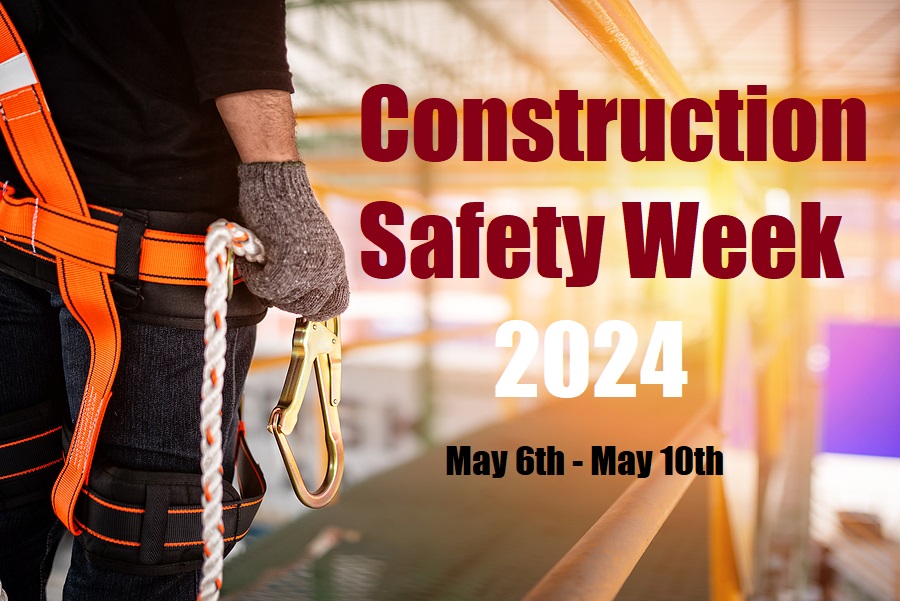
May 6th – 10th is Construction Safety Week!

May 8th is the National Construction Stand Down!

Each year, Construction Safety Week sets the stage for a powerful reminder of the importance of safety in one of the most high-risk industries. This event, pivotal for construction managers, safety officers, site supervisors, and workers, emphasizes the significance of staying vigilant about workplace hazards.

Over the years, Construction Safety Week has created an impactful platform for sharing knowledge, fostering a culture of safety, and celebrating the commitment to keeping each other safe. Companies are urged to participate in the national initiative by taking a stand to increase awareness of fall hazards and collaboratively foster a safer, more robust industry. Let’s dive in deeper into the purpose of this special week and how to get involved!

Fall Hazard Awareness & Construction Safety

A Construction Safety Week and OSHA Partnership

This year marks a monumental stride in construction safety initiatives. In an unprecedented move, Construction Safety Week and the Occupational Safety and Health Administration (OSHA) are joining forces. This collaboration is set to amplify the impact of their efforts, uniting under shared goals to enhance safety measures across the board, especially when it comes to fall hazards. By pooling resources, expertise, and their vast networks, this partnership aims to drive unparalleled awareness and adherence to safety protocols.

The Construction Safety Stand Down

Central to this unique partnership is the largest industry-wide construction stand down ever organized, which will be held on Wednesday, May 8th. An industry “stand down” refers to pausing regular operations to focus on specific safety topics. This grand-scale event will see construction sites across the nation momentarily halting work to engage in safety training sessions, workshops, and discussions. The activities planned range from fall hazard awareness to scaffolding safety, covering essential topics that address common risks encountered on construction sites.

For those who cannot join on the official stand down date of May 8th, CSW and OSHA invites you to stand down with them any time during the week of May 6th through May 10th.

Benefits of Participation

Engaging with Construction Safety Week and participating in the OSHA Stand Down brings multifaceted benefits for both companies and workers. For enterprises, it reinforces a commitment to safety, potentially reducing accidents, improving overall morale, and enhancing the company’s reputation. Workers gain invaluable insights and skills that contribute to safer work environments, ultimately reducing the risk of injuries. This collective effort not only fosters a safer workplace but also builds a community dedicated to the well-being of its members.

Following the stand down, participants can download a Certificate of Participation to acknowledge their involvement in the initiative.

Steps to Get Involved

Committing to safety is a proactive choice. Companies and individuals keen to participate can start by registering for Construction Safety Week activities and the OSHA Stand Down. Further engagement can be fostered through spreading the word, sharing safety resources, and organizing localized safety sessions. Utilizing available materials such as checklists, guidelines, and training tools can also greatly benefit companies aiming to embed safety deeply into their culture.

Importance of Safety in Construction

Safety in construction is not just about compliance; it’s about safeguarding lives. With numerous hazards lurking on job sites, from high altitudes to heavy machinery, the construction and building industry sees a significant number of accidents annually. Incorporating real-life examples and alarming statistics, we’re reminded why initiatives like Construction Safety Week are crucial. These efforts shine a light on the ongoing need for rigorous safety protocols and continuous education to prevent accidents and fatalities.

Conclusion

The collaboration between Construction Safety Week and OSHA represents a landmark movement towards elevating safety standards in construction. This synergy empowers companies and workers alike to stand united in making safety a paramount concern. By participating in the stand down and dedicating to ongoing safety practices, we can collectively ensure that every construction site is a place where safety comes first, and every worker returns home unharmed. The time to act is now—join the move towards a safer construction industry today.

Are you looking for a trusted and reputable commercial construction company to safely implement and manage your business remodeling or development project in Indiana? Contact BAF Corporation at 317-253-0531 for superior commercial construction services in Indianapolis and its surrounding counties. We are experts in streamlined commercial contracting and construction management, serving all industries across the state.

Related Posts:

World Day for Safety and Health at Work: Essential Guide to Staying Safe in the Workplace
National Work Zone Awareness Week: Your Role in Road Safety
Vital Safety Tips for Visiting a Construction Site

World Day for Safety and Health at Work: Essential Guide to Staying Safe in the Workplace

April 28th marks World Day for Safety and Health at Work, an international observance recognizing the importance of maintaining a safe and healthy work environment for all. Why should your business join the global effort? It’s not just about compliance; it’s about cultivating a workplace where your employees feel respected, valued, and protected.

In this comprehensive guide, we’ll explore the critical aspects of workplace safety and health, with a focus on strategies to enhance this crucial facet of modern business for small businesses and large organizations alike.

World Day Of Safety and Health at Work 2024 is on Sunday, April 28th!

The Significance of World Day for Safety and Health at Work

World Day for Safety and Health at Work is a day of commemoration and awareness in honor of workers who have died from work-related illness and accidents. It’s a reminder of the scale of the issue and a catalyst for action, serving as a platform for promoting safe practices and health initiatives in the workplace.

The day also spotlights the solemn truth that occupational accidents and diseases are preventable. It’s a call to action for employers to take the lead in creating safe work environments that not only address immediate hazards but also consider long-term health outcomes.

Workplace Safety Challenges and Statistics

Workplace safety is a significant challenge across the globe. According to the International Labor Organization, every 15 seconds, a worker dies from a work-related accident or disease. That’s 2.8 million deaths per year! These statistics not only reflect a human tragedy but also a serious drain on economic resources. Lost workdays, compensation claims, and decreased productivity all have financial implications for businesses in every sector.

Common Causes of Accidents at Work

The most common causes of workplace accidents are slips, trips, and falls, followed closely by muscle strains from overexertion and accidents involving hazardous materials. These figures underscore the need for continuous vigilance and proactive safety measures.

Why Prioritize Safety and Health at Work for Small Businesses?

Often, small businesses with limited resources, particularly those in service or retail, might underestimate the importance of safety protocols. It’s important to note that small organizations experience proportionally higher accident rates than their larger counterparts, and the impact can be devastating.

Prioritizing safety at work is an investment in the company’s most valuable asset — its workforce. A safe and healthy work environment fosters higher morale, increased productivity, and lower turnover rates. It also shores up a company’s image with customers and prospective employees, signaling a commitment to ethical practices.

The Cost of Neglecting Safety

For small businesses, the costs can be significant. Injuries mean increased insurance premiums, potential legal costs, and the lost productivity of the injured employee. In some cases, a single serious incident could be financially crippling.

It’s not just about reacting to current regulations; it’s about predicting future legal and social trends. Expectations for companies to maintain high safety standards are increasing, and those who don’t adapt risk legal action and damaged reputations.

Building a Competitive Advantage

Focusing on safety is more than a defensive strategy to avoid accidents. It’s a platform to build a competitive advantage. Demonstrating a commitment to safety can be a key differentiator in winning contracts and securing customers. The message is clear for small businesses — investing in workplace safety, at any scale, is an investment in the business itself.

Practical Tips to Enhance Workplace Safety and Health

Understanding that safety is vital is one thing, but how do you put this knowledge into practice? Here are some actionable steps to improve the safety and health of your workplace, regardless of your industry or the size of your business.

Create a Safety Culture

Culture shapes behavior. A safety culture is one where employees at all levels are committed to the practice of safe policies and take personal responsibility for their own safety and the safety of others.

Leadership plays a significant role in shaping this culture. By modeling safe behavior and actively involving employees in the development and enforcement of safety standards, a culture of safety is more likely to take hold.

Conduct Regular Risk Assessments

To manage safety effectively, it’s crucial to understand the risks in your workplace. Regular risk assessments help identify potential hazards and allow you to take corrective action before an accident occurs.

These assessments should be comprehensive, covering everything from physical risks such as working at heights or with machinery, to less tangible risks like stress or fatigue that can also contribute to accidents.

Provide Adequate Training

Uninformed employees are unsafe employees. Providing thorough safety training is an essential step in creating a safer workplace. Effective training programs should be role-specific and continually reinforced.

New employees should receive training as part of their onboarding process, and existing staff should have their skills refreshed regularly to keep safety practices top of mind.

Implement Robust Emergency Protocols

Emergencies can happen, and the way your team responds can mean the difference between containment and catastrophe. Ensure that clear and tested protocols for emergencies, such as fires or medical situations, are in place, ready to be executed at a moment’s notice.

Handling Safety Concerns and Incidents

An effective safety program not only aims to prevent accidents but also knows how to respond when they do occur. This involves setting up clear channels for reporting concerns and incidents without fear of reprisal.

When an incident does occur, it’s critical to have a response plan that includes addressing any immediate medical needs, securing the area, documenting the incident, and conducting a thorough investigation to determine the root cause and prevent future occurrences.

Encouraging Open Communication

Communication is key in managing safety. Employees should feel comfortable reporting unsafe conditions or practices. This could be through formal channels, such as safety committees, or informal methods like a suggestion box.

An open dialogue about safety issues not only helps solve problems before they escalate but also empowers employees to take an active role in maintaining a safe workplace.

Investigating and Learning from Incidents

Each incident is an opportunity to learn and improve. After an accident, it’s crucial to resist the urge to assign blame and, instead, focus on understanding what went wrong and how to prevent it in the future.

Regularly reviewing and discussing such incidents ensures that the lessons remain fresh and guide future safety efforts and endeavors.

Utilizing Technology in Enhancing Workplace Safety

Innovations in commercial real estate technology have made workplaces safer than ever before. From equipment that monitors air quality to apps that provide instant access to safety manuals, technology is an indispensable tool in the safety professional’s arsenal.

Utilization of technology in workplace safety enhances monitoring, facilitates training, and provides on-demand access to safety resources. It is especially beneficial for organizations with distributed workforces or complex safety requirements.

What Business Owners and Managers Can Do

Want to take this message to heart? It’s time for your business to take action. From conducting an in-depth safety audit of your workplace to exploring the latest safety-enhancing technology, there’s no shortage of steps you can take.

Consider a safety audit, reach out to a professional safety consultant, or invest in employee training. Think about how your workplace could be modified to reduce risks, from adding additional lighting to minimizing noise exposure. Make this World Day for Safety and Health at Work the start of a safer future for your business and your employees.

Reaching out to a professional commercial construction company that provides workplace renovations and remodels, especially one that specializes in safety and ADA-compliant workspaces, can be a proactive step. Updating your building’s design not only ensures the well-being of your employees but also helps prevent any productivity loss from workplace incidents or OSHA violations.

Remember, creating a safe workplace is a continuous process. By taking the time to understand and act on these recommendations, you are making a tangible difference in the safety and health of your employees and the long-term success of your business.

Conclusion

World Day for Safety and Health at Work is not just another observance day in the calendar. It reinforces the principle that every individual’s well-being is the responsibility of the collective society, including businesses and employers. The urgent call to action is to place safety and health at the forefront of all workplace concerns. This is more than a legal or financial issue; it is a humanitarian cause in the world of business.

Ready to make some upgrades to your business or facility in the name of workplace safety and health? Contact BAF Corporation at 317-253-0531 for comprehensive commercial general contracting services in Indianapolis, Indiana. We work with clients all throughout the state.

Related Posts:

How to Improve Public Restroom Hygiene and Safety
Touch-Free Design Suggestions for Commercial Buildings and Businesses
Important Information About Forklift Safety

Elevating Access: A Guide to ADA Compliant Bathrooms in Indiana

In the mosaic of commercial spaces, the bathroom is an area that often harbors architectural barriers to those with disabilities. Navigating a bathroom might seem mundane to the majority, but for those with mobility or sensory challenges, it can be a daunting experience. In Indiana, the American with Disabilities Act (ADA) is pivotal in shaping the landscape of bathroom accessibility, ensuring that all individuals, irrespective of disability, have unhindered access to public facilities. For businesses, this not only mandates compliance with legal obligations but also stands as a testament to their commitment to inclusivity.

Here, we unpack the intricacies of ADA compliance in commercial bathrooms, tailored specifically to Indiana’s regulations. From the moment one approaches the restroom door to the fixtures within, each element plays a role in designing a space that is truly accessible to all. We’ll cover the nuances of the guidelines, share insights on what makes a bathroom ADA compliant, and provide actionable steps to ensure your commercial restroom meets the standards set forth by the Hoosier State.

Call 317-253-0531 for Commercial ADA Compliancy Renovations in Indianapolis Indiana

National Bathroom Accessibility Regulations

In the United States, the ADA serves as the guardian of civil rights for individuals with disabilities, prohibiting discrimination and ensuring equal opportunity in various aspects of public life, employment, and, significantly, access to public restrooms. In the domain of bathroom design, the act provides a framework for proper spacing, reach ranges, and operable parts that are accessible to people with disabilities.

Indiana, like many states, adopts the federal ADA standards as a minimum requirement, and in some instances, enhances these standards to provide a higher level of accessibility. The state presents specific mandates for new construction and alterations, which outline detailed specifications for commercial bathroom fixtures and design elements to maximally accommodate people with disabilities.

Indiana ADA Bathroom Standards

Indiana augments the federal ADA guidelines with certain provisions. It’s essential for business owners and facility managers to be aware of these specifics to ensure compliance. These may include additional requirements for ceiling lifts, showerheads, and installation heights that differ from federal standards.

For instance, Indiana requires a minimum interior dimension for accessible compartments in restrooms and further clarifies the necessity for maneuvering clearances adjacent to any door. Such nuances highlight the state’s commitment to inclusivity and often mean that businesses must go beyond federal mandates to accommodate the detailed needs of individuals with disabilities.

ADA Compliance for Bathroom Fixtures

Ensuring ADA compliance in your commercial bathroom is a multi-faceted endeavor, touching upon various elements that collectively contribute to an accessible environment. From the ingress and egress to the usability of facilities, each feature warrants meticulous attention to detail and rigorous evaluation against the established standards.

Some of the most critical considerations for fixture compliance in Indiana encompass the following:

Doorways and Approaches – Doorways must be wide enough to accommodate a standard wheelchair while providing ample space for users to approach and operate them effectively. Lever-style handles are often preferable, as they offer a more natural hand operation for a broader range of individuals.

Clear Floor Space and Maneuvering – Within the restroom, there should be clear floor space that allows for a 180-degree turn for individuals occupying larger mobility devices like wheelchairs. Maneuvering space is a core tenet of the ADA and is non-negotiable for compliance.

Toilet Facilities – Toilets in ADA compliant restrooms must meet precise placement requirements. These dictate the height, location of grab bars, flush controls, and other details that ensure usability for persons with disabilities.

Lavatories and Sinks – Sinks are another focal point of ADA bathroom compliance. They should be mounted at appropriate heights with insulation against scalding, and adequate knee and toe clearance for individuals using wheelchairs.

Hand Dryers and Dispensers – Each public bathroom may have unique setups for hand drying and waste disposal. These fixtures must also be positioned and designed in a manner that can be accessed and operated by those with disabilities. Touch-free designs are increasingly popular.

Best Practices for ADA Commercial Bathroom Renovations

When it comes to renovating or constructing a commercial bathroom, understanding the full scope of ADA requirements can facilitate a smoother and more accurate design process. To ensure your project stays on the right path, consider these best practices:

Engage with Professionals – Consulting with architects and contractors experienced in ADA regulations and Indiana’s building codes can be immensely beneficial. These professionals can provide valuable insights from the planning phase to the final touches.

Conduct Frequent Compliance Checks – Thoroughly inspect your bathroom plans and construction at various stages to verify that every detail meets ADA standards. Early detection of non-compliance is key to avoiding costly revisions later on.

Prioritize Clarity and Signage – Clear and conspicuous signage is crucial for guiding individuals to accessible facilities. Visual and tactile indicators should be standard throughout the bathroom.

Regular Maintenance and Upkeep – An ADA compliant bathroom is not a one-time achievement but an ongoing commitment. Regular maintenance and updates are necessary to ensure continued compliance and functionality.

Conclusion

The construction and renovation of commercial bathrooms are critical opportunities for businesses to exemplify their dedication to serving all customers and guests. By meticulously adhering to ADA guidelines, and Indiana’s enhancements thereof, you pave the way for a more inclusive and welcoming environment. If you’re currently navigating the intricacies of an ADA-compliant bathroom project, it’s about more than just ticking boxes—it’s an investment in access and equity.

For further guidance on ADA bathroom compliance or any commercial renovation needs, don’t hesitate to seek professional advice. Contact BAF Corporation at 317-253-0531 to speak with an expert Indianapolis commercial general contractor about your options for ADA compliancy renovations and remodeling. We serve clients in all industries and throughout all of Central Indiana.

Related Posts:

Primary Elements of Commercial ADA Bathroom Compliance
Ascertaining the Need for ADA Compliance Upgrades in a Commercial Remodel
How to Improve Public Restroom Hygiene and Safety

National Work Zone Awareness Week: Your Role in Road Safety

Each year in the spring, National Work Zone Awareness Week presents an opportunity to reflect on the importance of road safety, particularly in areas where construction is underway. While your daily commute or a Sunday drive can seem mundane, reducing your speed and increasing your awareness in work zones can save lives. This comprehensive blog post dives into the significance of this annual event and provides insights for drivers, the construction industry, and communities on how to promote and enforce work zone safety.

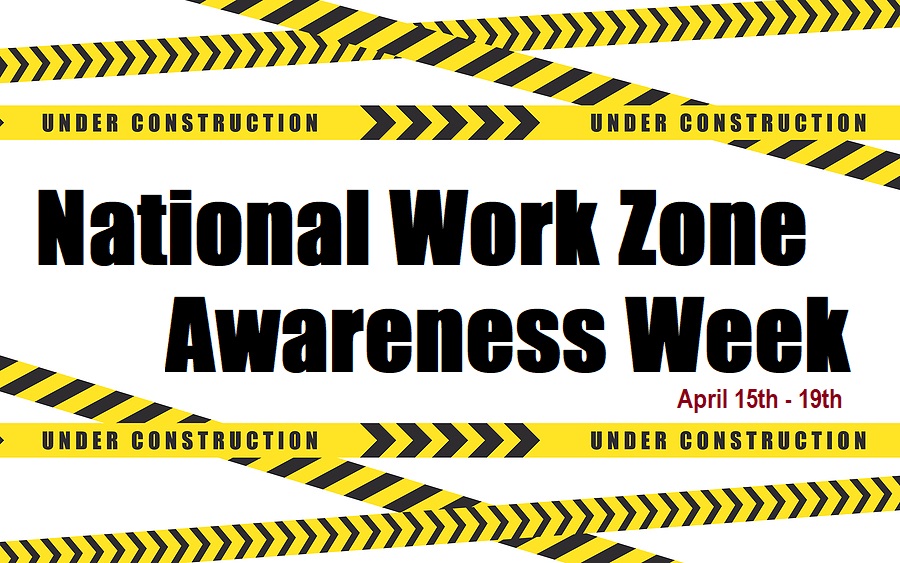
National Work Zone Awareness and Safety - April 15th to April 19th
National Work Zone Awareness and Safety – April 15th to April 19th

April 15th Through April 19th is National Work Zone Awareness Week

Originally established in 1999 by the American Association of State Highway and Transportation Officials (AASHT) and the Federal Highway Administration, National Work Zone Awareness Week aims to bring attention to the hazards faced by workers and motorists in work zones. This week-long event typically includes a series of local and national activities to encourage safe driving practices in work zones.

National Work Zone Awareness Week isn’t just a time to remember those who have been affected by work zone accidents; it shines a spotlight on prevention through education, increased enforcement, and improved technologies. It’s a reminder that every driver’s choices impact not only their own safety but also the well-being of those who traverse work zones.

The Importance of Work Zone Safety

Work zones can be perilous for both drivers and workers due to sudden lane shifts, reduced speeds, and workers’ proximity to vehicles. Accidents in work zones are often caused by speeding, distracted driving, and impaired drivers. In the United States, the Federal Highway Administration reports that, on average, over 700 fatalities occur in work zones each year.

The statistics are sobering, but the underlying message is clear — work zone safety is everyone’s responsibility. Complacency behind the wheel can turn a routine commute into a tragedy, emphasizing the need for strict adherence to safety guidelines.

Best Practices for Safe Driving in Work Zones

Safe driving through a work zone is a culmination of several actions, all aimed at vigilance and caution. Here’s a rundown of the best practices every driver should follow:

Adhere to Work Zone Speed Limits

Speed limits within work zones are not arbitrarily set; they’re a result of careful consideration of the environment and the work being done. Slowing down dramatically reduces the chances of an accident, and it also minimizes the severity of any accidents that may still occur within the zone.

Minimize Distractions

Distracted drivers are more likely to miss signs, construction equipment, or workers present in the work zone. Stay focused on the road and minimize vehicle distractions like using your phone, fiddling with the radio, or eating.

Maintain a Safe Following Distance

The importance of space cushion cannot be overstated in work zones. A safe following distance helps to prevent rear-end collisions and allows for ample stopping time if the driver in front makes a sudden move.

Understand Work Zone Markings and Signals

Each work zone is unique and may have different markings and signage to guide drivers. Take the time to familiarize yourself with these signs and follow the instructions they provide.

Stay Alert and Patient

Expect the unexpected in a work zone. Workers may move unpredictably, and conditions can change rapidly. Stay patient and avoid aggressive driving behaviors that increase the risk of accidents.

How the Construction Industry Prioritizes Work Zone Safety

The construction industry is not passive in the fight for work zone safety. Through various measures, they work to make work zones as secure as they can be.

Technology and Innovations

From high-visibility clothing and flagging devices to the latest in warning signage tech, the construction industry continues to adopt innovations that keep work zones safer. Advances in traffic management tools and equipment make for better-prepared work zones and a reduced chance of incidents.

Comprehensive Training and Awareness

Construction companies provide extensive training to workers on how to maintain a safe work zone. This includes recognizing unsafe conditions, learning proper signaling techniques, and understanding the importance of following safety protocols.

Community Efforts for Increased Work Zone Safety

National Work Zone Awareness Week is not just for those directly involved in road construction; it’s a community-wide initiative. Partnerships between local authorities, community groups, and businesses play a pivotal role in organizing events that raise awareness and positively impact work zone safety.

Engaging the Public

Through educational initiatives and public service announcements, the aim is to inform drivers about the week and the best practices to follow. By understanding the importance, the public can become active participants in promoting work zone safety.

Individual Commitment

Even outside of work zone awareness week, individuals can make a difference by committing to follow safety guidelines every time they drive through a construction area. Whether it’s through their actions or by encouraging others to do the same, everyone has a part to play.

Final Thoughts

National Work Zone Awareness Week is a concentrated effort to remind everyone on the road that safety is not just a slogan but a daily commitment. It’s a good time to reevaluate our driving habits and adopt a more vigilant approach to work zone traversing. We encourage you to take the information shared in this post and make a conscious effort to practice safe driving not just during the awareness week but every time you get behind the wheel.

Your role in work zone safety is essential. We cannot understate the impact of a single driver’s vigilance and considerate behavior when passing through these areas. Join us in making the roads safer this National Work Zone Awareness Week and beyond. Share this post to spread the message and encourage safe driving habits in your community. Together, we can ensure that the road to progress is also a road to safety for all.

Looking for general contractor construction services in the Indy areas for your business or commercial space? Contact BAF Corporation at 317-253-0531 for full-service commercial general contracting and construction in Indianapolis, Indiana. From design build and space planning to construction management and more, we have the commercial construction solutions you need to catapult your business to the next level of success.

Related Posts:

Safety and Security Considerations for Stalled Commercial Construction Projects
Vital Safety Tips for Visiting a Construction Site
Why Construction Safety is So Important to a Commercial Project

The Essential Guide to Design-Build Construction for New Businesses

Launching a new business or startup is an endeavor filled with excitement, challenges, and a multitude of decisions – big and small. One such significant decision often at the forefront of a startup’s operation is the choice of physical space and the construction that will bring its vision to life. The design and construction of your business’s physical space is a reflection of your brand, culture, and aspirations. It serves as the canvas on which your corporate story is painted.

For many entrepreneurs, opting for the design-build (DB) construction model has numerous benefits, especially when time and resources are precious commodities. This comprehensive guide explores the intricacies of design-build construction and outlines why it’s the ideal framework for new businesses. From a quicker time to market to a more cohesive approach to your project’s development, we break down the vital components every startup should consider when constructing their new location.

Call 317-253-0531 for Commercial Design Build Construction in Indianapolis Indiana

The ABCs of Design-Build Construction

The design-build model consolidates the design and commercial construction processes into a single project entity. This approach contrasts with the traditional design-bid-build model where each phase is handled by different parties. In design-build, the commercial construction firm takes on both the architectural design as well as the actual construction, streamlining project delivery and promoting a more collaborative way of working.

For startups and new businesses, design-build offers a comprehensive method that aligns well with their dynamic needs. From co-working spaces to specialized tech centers, the design-build model has proven to be the foundation that supports innovation and agility.

Why Choose Design-Build for Your New Business

The advantages of design-build for new businesses are significant and far-reaching. Here’s why many entrepreneurs are opting for this construction paradigm.

Streamlined Process and Accountability

In the design-build approach, there’s a single point of contact throughout the construction project. This not only streamlines communication but also ensures that accountability rests with one party. For startups with lean operational structures, this direct line of communication can be a game-changer, providing clarity and a means to track the project’s progression with ease.

Speed and Savings

When time-to-market is vital, design-build stands out for its quicker project delivery. With the design and construction team working in tandem from the project inception, start-to-finish timelines are often significantly reduced. This swift approach also translates to cost savings, as there’s less likelihood for time delays and miscommunications that can result in budget overruns.

Collaboration is Key

Unlike the traditional model, design-build fosters a collaborative environment. The constant interaction between architects and builders means designs are not just aesthetically pleasing but also practical and cost-efficient. This coherence from the initial concept to the final nail being driven helps ensure that you get the space you envisioned, without any surprises.

Navigating the Design-Build Process

While the design-build commercial construction model offers a unified framework, it’s important for new businesses to be actively involved in key stages of the project. Here are the considerations that can make or break your design-build experience.

Understanding & Defining the Scope

Clearly defining the project scope is the lynchpin of a successful design-build venture. Ambiguity at this stage can lead to misunderstandings and unsatisfactory outcomes. Startups should work closely with the design-build team to articulate their vision and strategic business goals for the space.

Experience Counts

The success of the design-build model hinges on the expertise of the integrated team. New businesses should vet potential design-build firms, looking not only at past projects but also at the team’s ability to understand the unique requirements of a startup environment.

Budgeting for Newbie Entrepreneurs

For startups with limited capital, the design-build model offers financial clarity from the outset. Engage in open discussions about the budget at the start and secure fees and estimates in writing. Make sure there’s a plan for any potential cost escalations due to unforeseen circumstances.

The Design-Build Model as an Innovation Hub

In an age where innovation is a currency, startups can harness the design-build model to create spaces that inspire creativity, foster collaboration, and reflect the agility of the business.

Trendspotting in Design-Build Construction

Design-build adapts to evolving trends not only in architecture and construction technology but also in workplace design and business needs. From sustainable practices to flexible and adaptable spaces, the design-build method is at the forefront of transformation within the built environment.

Meeting the Current Needs of Startups

Modern startups often require spaces that can flex and adapt as they grow and pivot. The design-build model can cater to these dynamic needs, creating environments that are more than just static offices but ecosystems for innovation to thrive.

Conclusion

In the fast-paced world of startups and new ventures, the choices you make early on can have lasting effects. Design-build construction stands out as a pragmatic and forward-thinking approach that can set the stage for your business’s success. By choosing design-build, you’re not just constructing a physical space; you’re nurturing an environment that can grow with your business, foster your culture, and support your strategic objectives.

For future-forward entrepreneurs seeking a holistic and efficient way to bring their new business from concept to reality, the design-build approach could be what propels them ahead of the pack. Are you ready to build your visionary business space with the efficiency and innovation that design-build promises? It’s time to take that first step and transform your entrepreneurial dreams into a tangible, thriving enterprise.

For a more personalized approach to your new business’s construction needs, don’t hesitate to consult a professional design-build firm. They can guide you through the process, helping you to make the best decisions for your unique venture. With the right partnership, your startup’s space can become the launchpad for all your future achievements.

Are you wondering which Indiana commercial general contracting company to trust for your upcoming commercial build or remodel? Contact BAF Corporation at 317-253-0531 for comprehensive general contracting services in Indianapolis, Indiana. We work with clients all throughout the state.

Related Posts:

Why Design Build Construction is the Right Choice for Your New Business
The Top Advantages of Design Build Commercial Construction
Top 3 Commercial Building Designs for Energy Efficiency