
Why Indiana Businesses Are Choosing Green Building Certifications

Green building certifications are transforming how Indiana businesses approach construction and renovation projects. These certifications provide a roadmap for creating healthier, more efficient buildings while reducing environmental impact and operational costs. For commercial property owners and business executives across Indiana, understanding these certifications—particularly LEED—has become essential for making informed decisions about sustainable construction and long-term property value.

This comprehensive guide explores the various green building certifications available, their requirements, and the specific benefits they offer to Indiana businesses. We’ll also examine state-specific incentives and resources that make sustainable construction more accessible and financially attractive.
Call 317-253-0531 to Reach Our Green Building Certified Contractors in Indiana

Understanding Green Building Certifications

Green building certifications serve as third-party verification systems that evaluate a building’s environmental performance across multiple categories. These programs assess everything from energy efficiency and water conservation to indoor air quality and sustainable material selection. The certification process involves rigorous documentation, testing, and verification to ensure buildings meet established sustainability standards.

The certification landscape includes several recognized programs, each with unique focuses and methodologies. While some emphasize energy performance, others take a more holistic approach to environmental and human health factors. Understanding these differences helps business owners select the most appropriate certification for their specific goals and property types.

For Indiana businesses, these certifications offer measurable benefits beyond environmental stewardship. They provide frameworks for reducing operational costs, improving employee productivity, and enhancing property marketability in an increasingly sustainability-conscious market.

LEED Certification: The Gold Standard for Sustainable Construction

Leadership in Energy and Environmental Design (LEED) stands as the most widely recognized green building certification system globally. Developed by the U.S. Green Building Council, LEED provides a comprehensive framework for designing, constructing, and operating high-performance buildings.

The LEED rating system evaluates buildings across several key categories: sustainable site development, water efficiency, energy and atmosphere, materials and resources, and indoor environmental quality. Projects earn points based on their performance in each category, with additional points available for innovation and regional priority credits.

What makes LEED particularly valuable for Indiana businesses is its flexibility. The system accommodates various building types, from office complexes and retail centers to warehouses and manufacturing facilities. This versatility allows businesses across different industries to pursue certification regardless of their specific operational requirements.

The certification process involves working with LEED Accredited Professionals who guide projects through documentation requirements and ensure compliance with program standards. This professional oversight helps maintain the integrity of the certification while providing valuable expertise to project teams.

Naturally Replenishing Energy Sources for Commercial Real Estate

LEED Certification Levels and Requirements

LEED offers four distinct certification levels, each representing increasing levels of environmental performance and sustainability commitment.

Certified represents the entry level of LEED recognition, requiring projects to earn 40-49 points out of 110 possible points. This level demonstrates basic compliance with green building principles and provides a solid foundation for sustainable operations.

Silver certification requires 50-59 points and represents a more significant commitment to sustainability. Silver-certified buildings typically incorporate advanced energy efficiency measures, water conservation systems, and sustainable material selections that go beyond standard construction practices.

Gold certification demands 60-79 points and indicates exceptional environmental leadership. Gold-certified buildings often feature innovative technologies, comprehensive renewable energy systems, and advanced building management systems that optimize performance across all operational areas.

Platinum certification represents the highest achievement level, requiring 80+ points. Platinum buildings serve as showcases for cutting-edge sustainable construction practices and often incorporate experimental or innovative technologies that push the boundaries of green building performance.

For Indiana businesses, the certification level chosen often depends on budget considerations, corporate sustainability goals, and market positioning objectives. Many companies find that Silver or Gold certification provides the optimal balance between investment and return.

Benefits of LEED Certification for Commercial Properties

LEED certification delivers tangible benefits that extend far beyond environmental impact. Companies in LEED-certified buildings report a 10% reduction in energy costs, providing immediate and ongoing operational savings. This energy efficiency improvement typically results from better insulation, high-performance windows, efficient HVAC systems, and advanced lighting technologies.

Water conservation represents another significant cost-saving opportunity. LEED-certified buildings incorporate low-flow fixtures, rainwater harvesting systems, and efficient irrigation technologies that can reduce water consumption by 20-30%. For Indiana businesses, these savings become particularly valuable during peak usage periods when utility rates are highest.

Indoor air quality improvements in LEED-certified buildings contribute to employee health and productivity. Enhanced ventilation systems, low-emission materials, and improved natural lighting create healthier work environments that can reduce absenteeism and increase employee satisfaction.

Property values for LEED-certified buildings typically appreciate faster than conventional properties. The certification serves as a quality marker that attracts environmentally conscious tenants willing to pay premium rents for sustainable spaces. This market advantage becomes increasingly important as corporate sustainability reporting requirements expand.

Marketing benefits include enhanced corporate reputation and competitive advantages in client acquisition. Many companies now prioritize working with suppliers and partners who demonstrate environmental responsibility, making LEED certification a valuable business development tool.

Other Green Building Certifications

While LEED dominates the green building certification landscape, several other programs offer valuable alternatives or complementary approaches to sustainable construction.

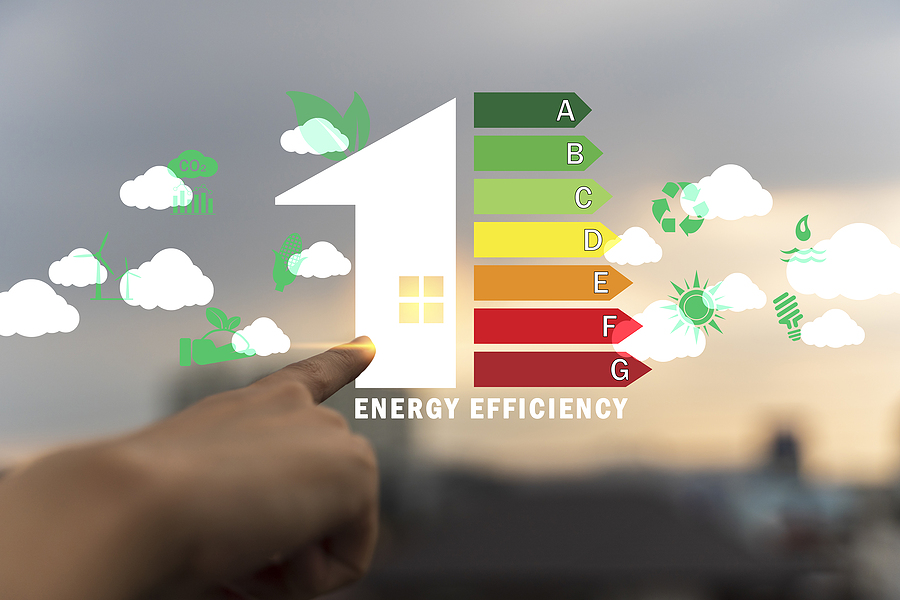
Energy Star certification focuses specifically on energy performance, making it an excellent choice for businesses primarily concerned with reducing energy costs. Energy Star certified buildings use 35% less energy than typical buildings and produce 35% fewer greenhouse gas emissions. The certification process is generally less complex than LEED, making it accessible for smaller projects or businesses new to green building practices.

Green Globes provides a flexible, web-based assessment system that evaluates buildings across environmental impact categories similar to LEED. Green Globes offers a more streamlined certification process and can be particularly suitable for renovation projects or businesses seeking a less intensive certification experience.

WELL Building Standard focuses on human health and wellness within the built environment. While not exclusively a green building certification, WELL addresses indoor air quality, water quality, lighting, and other factors that impact occupant health. Many Indiana businesses pursue WELL certification in conjunction with LEED to address both environmental and human health objectives.

Each certification system offers unique advantages, and some projects benefit from pursuing multiple certifications to address different stakeholder priorities or market positioning goals.

Energy Efficient Building Designs That Shine 💡

Green Building Resources in Indiana

Indiana offers numerous resources and incentives that make green building certifications more accessible and financially attractive for businesses across the state.

The Indiana Energy Efficiency Fund (IEEF) provides financial incentives for businesses implementing energy-efficient technologies and green building practices. These incentives can significantly offset the incremental costs associated with achieving certification while accelerating payback periods for sustainable construction investments.

Local utility companies throughout Indiana offer rebates and incentives for energy-efficient building systems, renewable energy installations, and advanced building technologies. These programs complement certification requirements and provide additional financial benefits for businesses pursuing sustainable construction.

Indiana’s adoption of progressive building codes creates a supportive regulatory environment for green building practices. The state’s alignment with national standards and codes facilitates the certification process and ensures that sustainable construction practices receive appropriate recognition and support.

Professional organizations throughout Indiana provide education, networking, and technical support for businesses interested in green building certifications. The Indiana Chapter of the U.S. Green Building Council offers training programs, workshops, and resources specifically tailored to local market conditions and regulatory requirements.

Local contractors and design professionals with green building expertise, like BAF Corporation, have expanded significantly throughout Indiana, making it easier for businesses to find qualified team members for certification projects. This growing professional network ensures that expertise is available regardless of project location or size.

Making the Investment in Sustainable Construction

The decision to pursue green building certifications requires careful consideration of costs, benefits, and long-term business objectives. While certification projects typically involve higher upfront costs, the combination of operational savings, tax credits, and enhanced property values often provides attractive returns on investment.

Energy tax credits and other financial incentives can substantially reduce the net cost of certification projects. Federal tax credits for renewable energy systems, energy-efficient equipment, and sustainable construction practices combine with state and local incentives to create compelling financial packages.

The timing of certification projects can significantly impact costs and benefits. New construction projects often achieve certification more cost-effectively than renovation projects, but retrofit projects can still provide excellent returns through operational savings and improved building performance.

Professional guidance from experienced architects, engineers, and LEED professionals helps ensure that certification projects achieve their objectives while managing costs effectively. This expertise becomes particularly valuable for businesses new to green building practices or those pursuing higher certification levels.

In Summary

Green building certifications represent more than environmental initiatives—they’re strategic business decisions that enhance operational efficiency, employee satisfaction, and long-term property value. For Indiana businesses, the combination of available incentives, growing professional expertise, and proven financial benefits makes certification an increasingly attractive investment.

The path to certification requires careful planning, professional guidance, and commitment to sustainable practices. However, the benefits extend far beyond the certification itself, creating healthier work environments, reducing operational costs, and positioning businesses as leaders in corporate responsibility.

Ready to explore how green building certifications can benefit your Indiana commercial property? Contact BAF Corporation for a consultation to discuss your specific needs and discover the certification options that align with your business objectives and sustainability goals.

Click Here to Call Now

Related Post: Building Green for a Brighter Future: Financial Perks of Sustainable Construction

Why Every Commercial Renovation Needs a Contingency Fund

Commercial renovations can transform your property and boost its value, but they also come with financial uncertainties that can derail even the most carefully planned projects. A contingency fund isn’t just a safety net—it’s a strategic investment that protects your renovation budget from unexpected costs and ensures your project reaches completion without compromising quality or timeline.

Understanding the importance of a contingency fund and how to properly calculate and manage it can mean the difference between a successful renovation and a financial disaster. This comprehensive guide will walk you through everything you need to know about creating and maintaining a commercial remodeling budget that accounts for the unexpected.

Call 317-253-0531 to Reach Our Commercial Remodeling Firm in Indianapolis

What is a Contingency Fund?

A contingency fund is a predetermined amount of money set aside specifically to cover unforeseen expenses that arise during commercial remodeling projects. This financial buffer serves as protection against budget overruns caused by unexpected discoveries, material price fluctuations, design changes, or construction complications.

Unlike your primary renovation budget, which covers planned expenses like materials, labor, and permits, the contingency fund addresses the unknown variables that inevitably surface during construction. These funds should remain untouched unless genuine emergencies or unforeseen circumstances require their use.

The Purpose of a Contingency Fund

The primary purpose of a contingency fund is to maintain project momentum when unexpected expenses threaten to halt progress. Commercial properties often hide structural issues, outdated systems, or code compliance problems that only become apparent once renovation work begins. Your contingency fund ensures these discoveries don’t derail your entire project.

Additionally, the fund provides peace of mind, allowing you to make necessary decisions quickly without scrambling for additional financing. This financial cushion enables you to maintain project quality and timeline while addressing unforeseen challenges professionally.

Why Commercial Renovations Need Contingency Funds

Commercial remodeling projects face unique challenges that residential renovations rarely encounter. The complexity of commercial buildings, stringent building codes, and business operation requirements create multiple opportunities for unexpected expenses to emerge.

Hidden Structural Issues

Commercial buildings, particularly older properties, often contain hidden problems that surface during renovation. These might include outdated electrical systems, plumbing issues, HVAC complications, or structural deficiencies that require immediate attention. Without a contingency fund, these discoveries can force you to choose between project delays and compromised safety standards.

Code Compliance Requirements

Building codes evolve constantly, and commercial properties must meet current standards during renovations. You might discover that your planned renovation triggers requirements for additional upgrades, such as improved accessibility features, updated fire safety systems, or enhanced structural reinforcements. These mandatory improvements can significantly impact your construction expenses.

Material Price Fluctuations

Construction material costs can fluctuate dramatically due to market conditions, supply chain disruptions, or seasonal demand. A contingency fund protects against price increases that occur between project planning and execution, ensuring you can complete your renovation without sacrificing quality or scope.

Labor Complications

Skilled labor shortages, scheduling conflicts, or the need for specialized contractors can increase labor costs beyond initial estimates. Your contingency fund provides flexibility to secure the right professionals for your project without compromising quality or timeline.

Get Expert Commercial Remodeling in Indiana

How to Calculate Your Contingency Fund

Determining the appropriate size for your contingency fund requires careful consideration of multiple factors specific to your commercial remodeling project. Industry standards and expert recommendations provide helpful guidelines, but your unique circumstances should guide the final decision.

Industry Standard Percentages

Most construction professionals recommend allocating 10-20% of your total renovation budget to a contingency fund. However, this percentage should adjust based on your project’s complexity, property age, and renovation scope. Simple cosmetic updates might require only 10-15%, while major structural renovations could necessitate 20-25% or more.

Factors Affecting Contingency Fund Size

Several key factors influence the appropriate contingency fund percentage for your commercial renovation:

  • Property Age and Condition: Older buildings typically require larger contingency funds due to increased likelihood of hidden issues, outdated systems, and structural complications.
  • Project Complexity: Simple renovations require smaller contingency funds, while complex projects involving multiple systems, structural changes, or specialized equipment need larger financial buffers.
  • Timeline Constraints: Tight deadlines increase the risk of expensive rush orders, overtime labor, and premium pricing for materials and services.
  • Market Conditions: Economic volatility, supply chain disruptions, and labor shortages can impact material costs and availability, requiring larger contingency allocations.

Calculating Your Specific Amount

To calculate your contingency fund, start with your total renovation budget and multiply by your chosen percentage. For example, a $100,000 commercial remodeling project with a 15% contingency would require $15,000 in reserve funds.

Consider breaking down your contingency fund into categories:

  • Structural/mechanical issues (40-50%)
  • Material price increases (25-30%)
  • Design changes (15-20%)
  • General unforeseen expenses (10-15%)

This breakdown helps you track usage and ensures balanced protection across different risk areas.

Essential Commercial Renovation Budgeting Tips

Creating and maintaining an effective remodel budget requires strategic planning, careful monitoring, and disciplined financial management. These proven strategies will help you maximize your renovation investment while minimizing financial risks.

Start with Thorough Planning

Comprehensive planning forms the foundation of successful construction budgeting. Conduct detailed property assessments, obtain multiple contractor quotes, and research material costs thoroughly before finalizing your budget. This upfront investment in planning reduces the likelihood of expensive surprises later.

Prioritize Essential Elements

Focus your primary budget on essential structural, mechanical, and safety improvements before allocating funds to aesthetic enhancements. This approach ensures critical work receives adequate funding while providing flexibility for design elements if budget constraints emerge.

Monitor Progress Regularly

Schedule monthly budget reviews with your project manager to track expenses, assess progress, and identify potential issues early. Regular monitoring allows you to address problems before they become major financial obstacles and helps maintain project momentum.

Maintain Detailed Documentation

Keep comprehensive records of all expenses, changes, and contingency fund usage. This documentation provides transparency, supports future budgeting decisions, and helps identify patterns that might inform future renovation projects.

Build Relationships with Reliable Contractors

Establish relationships with reputable contractors, like BAF Corporation in Indiana, who provide accurate estimates and deliver quality work within budget. Reliable contractors help minimize the risk of cost overruns and reduce the likelihood of needing contingency funds for corrective work.

Consider Financing Options

Explore various financing options, including traditional loans, lines of credit, or specialized construction financing, to supplement your budget if needed. Having financing arrangements in place before starting your project provides additional security and flexibility.

Frequently Asked Questions

What percentage of the total budget should I allocate to the contingency fund?

Most commercial renovation projects benefit from a contingency fund representing 10-20% of the total renovation budget. Simple cosmetic updates might require only 10-15%, while complex structural renovations could need 20-25% or more, depending on the property age, project complexity, and market conditions.

How often should I review the contingency fund during the remodeling project?

Review your contingency fund monthly with your project manager to assess usage, track remaining funds, and identify potential future needs. This regular monitoring helps you make informed decisions about project scope adjustments and ensures adequate funds remain available for unforeseen circumstances.

What do I do if I exhaust the contingency fund before the project is complete?

If you exhaust your contingency fund, immediately reassess your project scope with your contractor to identify areas where costs can be reduced without compromising safety or functionality. Consider securing additional financing, postponing non-essential elements, or finding alternative solutions that fit your remaining budget.

Is it possible to get insurance coverage for unexpected remodeling costs?

Some insurance policies offer limited coverage for unforeseen construction costs, but coverage varies significantly by provider and policy type. Consult with your insurance agent to understand available options, but don’t rely solely on insurance coverage as your primary protection against unexpected expenses.

How does the size and age of the property impact the contingency fund?

Larger and older properties typically require larger contingency funds due to increased complexity, higher likelihood of hidden issues, and greater potential for unforeseen complications. Properties over 20-30 years old often need contingency funds at the higher end of the recommended range.

How does the selection of contractors affect the need for a contingency fund?

Experienced, reputable contractors with strong track records typically reduce the need for large contingency funds because they provide more accurate estimates and deliver quality work that minimizes corrective expenses. However, maintain adequate contingency funds regardless of contractor selection to protect against unforeseen circumstances.

What are some common unforeseen expenses in commercial remodeling projects?

Common unexpected costs include hidden structural damage, outdated electrical or plumbing systems requiring upgrades, asbestos or mold remediation, code compliance improvements, material price increases, and specialized equipment needs. Weather delays, permit complications, and design modifications also frequently impact budgets.

Conclusion

A well-planned contingency fund represents more than just financial protection—it’s a strategic investment in your commercial renovation’s success. By setting aside 10-20% of your total renovation budget for unexpected expenses, you create the financial flexibility needed to address unforeseen challenges without compromising project quality or timeline.

Remember that every commercial property presents unique challenges, and your contingency fund should reflect these specific circumstances. Whether you’re updating a historic building or renovating a modern office space, having adequate financial reserves ensures you can address whatever surprises your project might reveal.

Looking for reliable commercial remodeling and renovation services in Indianapolis? Contact BAF Corporation today to bring your vision to life—on time and within budget!

Request a Consultation Now

Related Post: 7 Budget-Saving Secrets to Avoid Cost Overruns in Commercial Renovations

Developing a Streamlined Construction Plan for Your Commercial Space 

Are you planning a commercial construction or renovation project? A well-developed construction plan is your roadmap to success, helping you navigate complexities, avoid costly mistakes, and achieve your vision on time and within budget. This guide provides expert insights into creating a streamlined construction plan for your commercial space. From initial planning to future-proofing, learn how to ensure a smooth and efficient process. 

Call 317-253-0531 to Reach Our Experienced Indiana Construction Management Firm

Why a Construction Plan Matters 

Before we break down the details, let’s explore why having a robust construction plan is absolutely essential for a successful project. 

Minimizes Delays: A detailed timeline helps ensure your project stays on track by organizing every stage of the process. With clear deadlines and task prioritization, it’s easier to manage resources and stay within budget, ultimately saving valuable time and money. 

Prepares for the Unexpected: No project is free from surprises—whether it’s bad weather, supply chain disruptions, or design changes. A well-thought-out construction plan includes contingencies and backup strategies to address unforeseen challenges, minimizing the risk of significant setbacks. 

Enhances Communication: A clear roadmap keeps everyone on the same page, from contractors and architects to stakeholders and clients. By fostering seamless collaboration and transparency, you can avoid miscommunication, errors, and delays caused by lack of coordination. 

Improves Quality Control: Upfront planning allows you to identify and address potential issues before construction begins. This ensures high-quality workmanship, adherence to safety standards, and a finished product built to last for years to come. 

A strong construction plan isn’t just a formality—it’s the foundation for ensuring your project runs smoothly, achieves its goals, and delivers exceptional results.

Phase 1: Planning and Preparation 

Conduct Initial Assessments 

Every successful construction project starts with understanding your goals and needs. Begin by assessing the following factors: 

  • The Purpose of the Space: How will the building serve your business operations now and in the future? 
  • Budget: Determine your preliminary budget, factoring in costs like materials, permits, and labor (don’t forget a contingency fund for unexpected expenses). 
  • Location Analysis: Evaluate the site for potential challenges, such as zoning restrictions or environmental considerations. 

Secure Permits and Adhere to Legal Requirements 

Navigating permits and zoning regulations can be daunting, but skipping this step can halt your entire project. Ensure compliance with the following:

  • Building and renovation permits. 
  • Local zoning laws. 
  • Environmental guidelines to avoid costly fines. 
  • Accessibility standards, such as ADA compliance. 

🔔 Pro Tip: Hire a construction management company to handle these complexities for you! 

Schedule a Construction Bid in Indianapolis

Phase 2: Design and Blueprints 

Work with Experienced Designers 

Collaborate with architectural and interior designers who specialize in commercial spaces. Their expertise ensures functionality meets aesthetics. 

Develop Clear Blueprints 

Blueprints are your visual roadmap. They should include: 

  • Floor plans detailing layout and space usage. 
  • Electrical and plumbing schematics. 
  • Structural safety elements. 

Budget for Revisions 

Never skip multiple rounds of revisions. Addressing design flaws early saves time and money during construction. 

Phase 3: Execution and Construction 

Hire Qualified Construction Managers 

Partner with experienced construction managers who prioritize efficient scheduling and safety. Proper vetting ensures your contractors meet deadlines and maintain quality standards. 

Maintain a Rigorous Construction Timeline 

Plan and maintain a realistic timeline that includes these key benchmarks:

  • Site preparation and foundation work. 
  • Structural framing. 
  • Mechanical installations (HVAC, plumbing, electrical systems). 
  • Finishing touches like flooring and paint. 

Budget Monitoring and Value Engineering 

Regularly review your budget with your construction management team. Explore value engineering as a way to maintain quality while optimizing costs. 

Phase 4: Quality Control and Inspections 

  • Conduct Thorough Inspections – Quality assurance is non-negotiable. Every phase of the project should undergo rigorous inspections to ensure adherence to building codes and design quality. 
  • Address Any Issues Early – Fixing minor issues as they arise ensures they don’t snowball into larger, costlier problems later. 
  • Final Walk-through – The final walk-through is your chance to identify and resolve any remaining items before officially signing off on the project. Bring along your construction team and use the blueprint as a reference. 

Avoid These Common Construction Planning Mistakes 

Learn from the experiences of others and avoid these common mistakes that can derail your progress. These insights will help you stay on track and achieve better outcomes:

  • Underestimating budgets and ignoring contingency funds. 
  • Failing to secure necessary permits early on. 
  • Overlooking critical timeline details, which causes delays. 
  • Selecting contractors without proper research and vetting. 
  • Ignoring future scalability, leading to expensive renovations down the line. 

Future-Proofing Recommendations 

A well-planned commercial space adapts seamlessly to the growth and innovation your business might experience. Keep these tips in mind to make your investment last for decades to come:

  • Scalability Planning: Design with potential expansions or modifications in mind. 
  • Technology Integration: Incorporate smart building technologies to streamline operations and improve energy efficiency. 
  • Sustainability: Use eco-friendly materials and energy-efficient equipment to reduce your environmental impact and operational costs. 
  • Adaptability: Create flexible spaces that can cater to changing business needs. 
  • Maintenance Plans: Set up a proactive maintenance schedule to keep the space in top condition long after the construction dust has settled. 

Partner with Expert Construction Managers 

Developing a streamlined construction plan for your commercial space is no small feat. From securing permits to final walk-throughs, every detail matters. A trusted construction management company can help you tackle these complexities with ease, saving time and resources while ensuring quality.

Contact BAF Corporation today to discuss your project and discover how our expertise can take the stress out of commercial construction planning.  Our experts will evaluate your space, provide a detailed assessment, and guide you toward a solution that meets your budget and objectives.

Schedule a Consultation Now

Related Post: Mastering Commercial Construction Timelines for New Builds

7 Budget-Saving Secrets to Avoid Cost Overruns in Commercial Renovations 

Budget overruns are one of the most common challenges in commercial remodeling. From unforeseen costs to poor planning, even the most carefully designed renovation project can go off the rails. Business owners and facility managers often find themselves grappling with delays, excessive costs, and decisions that impact both their bottom line and operational timelines. 

But it doesn’t have to be this way. With the right strategies and diligent planning, you can take control of your renovation budget and avoid costly surprises. 

This guide will walk you through proven tactics for keeping your commercial renovation on track and within budget—from creating a detailed plan to managing risks and expenses. By the time you’re done reading, you’ll have tangible steps to confidently tackle your remodeling project. 

Call 317-253-0531 for Trusted Commercial Renovations in Indianapolis Indiana

How to Prevent Commercial Renovation Budget Overruns

Planning and Preparation 

The foundation of a successful commercial renovation lies in thorough preparation and realistic planning. Not dedicating enough time to this stage often results in bloated costs later. 

1. Conduct a Thorough Needs Assessment 

Before jumping into designs and schedules, take a step back and assess your project’s true needs. 

  • What are your main renovation goals? Upgraded aesthetics, improved functionality, compliance with new regulations? 
  • Which areas are priorities versus “nice-to-haves”? 
  • Are you future-proofing the space or focusing solely on immediate needs? 

▶ For Example: Imagine your goal is to refresh a restaurant space. If you don’t account for an aging plumbing system in your needs assessment, it could lead to major disruptions mid-renovation, adding unforeseen costs. 

Taking the time to answer these questions can help you focus on the essentials while identifying potential trouble spots. 

2. Create a Detailed Budget Breakdown 

A comprehensive budget serves as your project’s financial blueprint. Break it down into categories like materials, labor, permits, and contingency funds. 

  • Allocate funds to each area based on realistic cost estimates. 
  • Don’t rely on broad categories like “construction costs.” Instead, specify “flooring,” “lighting installation,” or “HVAC upgrades.” 

Budgeting templates and cost estimation tools can assist, offering benchmarks for renovations in your industry or geographic area. 

3. Hire Experienced Professionals 

Selecting the right team is critical to keeping your project on time and within budget. Seek contractors and architects with verified industry experience, positive client reviews, and a proven track record with commercial spaces.  For Central Indiana clients, trust BAF Corporation for superior, all-in-one commercial construction and remodeling solutions.

Pro Tip: Ensure your contractor is well-versed in local building codes, zoning regulations, and ADA compliance to avoid legal complications during or after the project. 

Book a Renovation Estimate in Indianapolis Today

Managing Costs During Renovation 

Once the plan is in motion, it’s essential to control costs and monitor expenditures. This stage requires vigilance to ensure you stay within your allocation. 

4. Obtain Multiple Quotes and Negotiate 

Request quotes from at least three contractors or suppliers to compare pricing. Don’t hesitate to negotiate terms like payment schedules, bulk material discounts, or freebies like design revisions. With our commercial construction management solutions, BAF Corporation is your one-stop-shop for a streamlined renovation process. We handle everything from conception and design to material procurement, general contracting, budgeting, permits, compliance, and more.

5. Track Expenses Diligently 

Set up a system for real-time expense tracking. Whether you use project management software or a simple spreadsheet, watching expenses as they occur prevents nasty surprises. 

Key Tasks:

  • Compare actual expenses against budgeted amounts weekly. 
  • Flag overspending early to adjust other allocations. 

✅ Tool Tip: Platforms like Procore or Buildertrend are tailored for construction projects and make expense tracking straightforward. 

6. Avoid Scope Creep 

Adding “just one more thing” may seem harmless but can quickly derail your budget. Set firm boundaries for design and functionality changes once the project starts. Openly communicate with stakeholders about the financial impact of any changes to discourage costly additions. 

Contingency and Risk Management 

Even the most meticulous plans can’t predict every scenario. That’s where contingency planning becomes your safety net. 

7. Set Aside a Contingency Fund 

Experts like BAF Corporation recommend reserving 10–20% of your total budget for unexpected expenses. While it might be tempting to push every dollar toward visible upgrades or design elements, a contingency fund offers flexibility to handle surprises. 

Identify Risks and Plan Ahead 

Potential risks in commercial renovations range from permit delays to fluctuating material costs. Discuss these with your contractor upfront and refine your timeline and budget to account for likely disruptions. 

Advanced tools like BIM (Building Information Modeling) can help simulate construction processes, identify potential hurdles, and improve the accuracy of risk estimates. 

Maintain Open Communication 

Transparency is crucial during any renovation. Ensure clear, ongoing communication between your team, contractors, and stakeholders by:

  • Scheduling weekly progress meetings. 
  • Using visual tools like Gantt charts for timelines. 
  • Encouraging honest updates on delays or project challenges. 

Open dialogue reduces misunderstandings and promotes timely problem-solving. 

Budget Overrun Pitfalls to Avoid 

To narrow it down, here are the top budget-busters to watch out for in your renovation project:

  • Material Price Fluctuations: Stay informed about market trends, and place orders early to lock in pricing. 
  • Permit Delays: Research timelines early and apply for permits well in advance. 
  • Compliance Costs: Failure to plan for ADA or environmental regulations can result in hefty fines. 
  • Poor Handoffs: Miscommunication during team transitions can lead to errors requiring rework. 

Maximize Your Renovation Budget 

Keeping your commercial renovation project on budget requires a balance of strategic planning, disciplined execution, and flexibility for the unexpected. 

By conducting a needs-based assessment, hiring experienced professionals, and tracking expenses diligently, you’re setting yourself up for success. And don’t underestimate the importance of thorough risk management and clear communication to prevent setbacks. 

If you’re ready to renovate here in Indianapolis, why not start with a precise renovation cost estimate? Reach out to the trusted Indiana commercial construction firm, BAF Corporation, and begin your project with confidence. 

Get Your Quote Today

Related Post: Cost-Effective Building: Budgeting Tips for Large Construction Projects

Exploring Financing Solutions for Commercial Construction and Renovation

Navigating funding for a commercial build-out or remodeling project can be daunting. Whether you’re a small business owner dreaming of a renovated storefront or a real estate developer planning your next commercial space, securing the right funds is critical. Yet, with so many options and varying terms, it’s no surprise many hesitate about where to start.

This guide demystifies the funding process by breaking down the most common financing options, from traditional loans to newer methods like crowdfunding. By the end, you’ll have a clear understanding of which route might suit your project best.

Call 317-253-0531 to Schedule Your Commercial Construction Bid in Indianapolis

Funding Options for a Commercial Build or Remodel 

Traditional Bank Loans 

What are Traditional Bank Loans? 

A time-tested source for commercial financing, bank loans are often the first option businesses consider. These loans provide significant amounts of capital to cover construction costs or remodeling expenses. They’re typically secured by collateral, such as the property being built or renovated. 

Pros & Cons of Traditional Bank Loans 

Benefits: 

  • Competitive interest rates (4%-7%). 
  • Large funding amounts, often ranging from $500,000 to $5 million or more. 
  • Long repayment terms, with durations between 5 to 25 years. 

Drawbacks: 

  • Lengthy application and approval processes. 
  • Strict eligibility criteria requiring excellent credit scores and a strong financial history. 
  • Risk of rejection without sufficient collateral. 

Is this right for you? If you’re looking for a cost-effective loan with stable repayment options and have strong credit, a traditional bank loan could be ideal. 

SBA Loans 

Understanding SBA 7(a) and 504 Loans 

Administered by the Small Business Administration (SBA), these loans are perfect for smaller enterprises. The SBA partially guarantees loans, making them less risky for lenders and more accessible to entrepreneurs. 

  • SBA 7(a) Loans: Flexible use for real estate, equipment, or working capital. Offers funding up to $5 million, with repayment terms of 7–25 years. 
  • SBA 504 Loans: Designed for purchasing major fixed assets like commercial properties. Provides funding up to $5 million (with additional CDC contributions), alongside low fixed interest rates (5%-7%). 

Why Choose SBA Loans? 

Pros: 

  • Lower interest rates than most other options. 
  • Highly favorable terms for small businesses. 
  • Lower down payment requirements (as little as 10%). 

Cons: 

  • Stringent application processes involving more paperwork. 
  • Application timelines can take 30–90 days. 

For small businesses or startups, SBA loans present an incredible opportunity to fund commercial real estate projects or remodels. 

Commercial Mortgages 

What are Commercial Mortgages? 

Commercial mortgages are loans used to purchase, refinance, or renovate commercial properties. Lenders assess the property value and the borrower’s ability to repay before granting up to 70%-80% of the property cost. 

Key Considerations 

  • Loan terms: Typically 5–30 years, with some tying amortization schedules to balloon payments at the term’s end. 
  • Rates: Expect interest rates around 4%-8%, depending on creditworthiness and property type. 
  • Ideal For: Businesses with established cash flow seeking long-term financing for large-scale commercial investments. 

Contact Our Indiana Commercial Contractors

Hard Money Lenders 

What are Hard Money Loans? 

Hard money loans are asset-based financing options typically used when speed is critical. These loans, secured by the property’s value after renovations (after-repair value or ARV), are ideal for projects needing quick capital. 

Pros & Cons 

Pros: 

  • Faster approval processes (as little as 7–14 days). 
  • More lenient credit requirements. 

Cons: 

  • Higher interest rates (8%-15% or more). 
  • Short loan terms (6 months to 3 years). 

Who Should Use Hard Money Loans? 

If time-sensitive funding for a commercial build-out outweighs concerns over higher interest, hard money loans might provide the speed you need. 

Crowdfunding 

What is Real Estate Crowdfunding? 

Platforms like Fundrise and RealtyShares connect developers with individual investors willing to back commercial remodeling or new construction projects, especially businesses affected by natural disasters or crime. Your project pitch is uploaded, inviting interested investors to fund it. 

  • Funding Amounts: Typically ranges between $50,000 and $5 million, depending on investor interest. 
  • Costs: Platforms may charge success fees and interest rates (investor returns) between 6% and 12%. 

Why Consider Crowdfunding? 

Crowdfunding is perfect for smaller businesses or projects tapping into niche markets. However, success heavily depends on marketing your project effectively. 

Private Investors 

Raising capital through private investors involves pitching your project to individuals or firms willing to invest in return for equity or repayment. 

Benefits: 

  • Flexible terms tailored to the project and investor preferences. 
  • Potential for larger funding amounts. 

Things to Note: 

  • Building trust and crafting a compelling pitch are essential. 
  • Investors often expect significant returns (6%-15% or more). 

Private investors are a great match if you have a persuasive business plan and strong personal or professional networks. 

Grants and Incentives 

Tapping into Free Funding 

Various government programs offer grants and incentives to support businesses undertaking commercial builds or remodels. These include federal, state, or local initiatives aimed at boosting economic growth and sustainability.

Examples of Grants 

  • EPA Brownfields Grant: For redeveloping sites with environmental concerns. 
  • Energy Efficiency Grants: Encourage green remodeling projects with lower carbon footprints. 

More on Grants 

  • Amount: Vary widely, from a few thousand dollars to hundreds of thousands. 
  • Challenge: Most grants are competitive, requiring detailed proposals to secure funding. 

How to Choose the Right Funding Option 

With so many options available, how do you decide? Here are key steps to guide you: 

  1. Assess your financial history and credit to understand eligibility. 
  2. Evaluate how quickly you need funds and the total costs associated. 
  3. Identify incentives or loan programs tailored to your business type or sector. 
  4. Seek professional advice to align your project goals with a suitable financing strategy. 

No matter the route you choose, the right funding option can turn your commercial real estate dream into reality. 

Final Word 

Every commercial build-out or remodel comes with its challenges, but securing the right funding shouldn’t stand in the way of your vision. Whether you’re exploring SBA loans, crowdfunding, private investors, or hard money lenders, each option offers unique benefits to suit varying needs. 

If you’re ready to turn your construction or remodeling ambitions into reality, BAF Corporation is here to help. Book a remodeling estimate today and take your first step toward building something extraordinary. 

Call Now to Book a Consultation

Related Post: Cost-Effective Building: Budgeting Tips for Large Construction Projects

Maximizing Cubic Space in Commercial Remodels and Build-Outs 

When it comes to optimizing a commercial space, every square foot counts. However, what many business owners and developers tend to overlook is a hidden gem of spatial efficiency: cubic space. By thinking vertically and strategically, businesses can transform underutilized areas into functional, profitable, and aesthetically pleasing environments. 

This guide will reveal actionable strategies for maximizing cubic space during a commercial remodel or build-out, covering everything from planning and design to storage, lighting, and real-world examples. Whether you’re managing an office remodel, retail build-out, or warehouse redesign, this post will equip you with the tools to make the most out of your physical space.

Call 317-253-0531 to Reach Our Indiana Commercial Build-Out Firm

The Importance of Maximizing Cubic Space 

It’s no longer enough to focus solely on square footage. For commercial properties, cubic space represents the full three-dimensional volume of a space, encompassing height, width, and depth.  

Maximizing cubic footage is about efficiency, adaptability, and economics. A well-utilized cubic space can reduce overhead costs, improve employee productivity, enhance customer experiences, and, ultimately, yield a greater return on investment.

Planning Phase: Assess Needs and Set Goals 

Before jumping into design strategies, it’s crucial to analyze your specific needs and map out clear objectives. 

Key Steps in the Planning Phase:

  1. Conduct a Space Audit – Evaluate how your current space is used. Which areas are overcrowded? Which ones are underutilized? Factor in vertical and hidden spaces to spot opportunities. 
  2. Align Goals with Business Needs – Whether your aim is increasing storage, creating an open layout, or accommodating more staff, define measurable outcomes. 
  3. Understand Legal and Regulatory RequirementsLocal zoning laws, building codes, ADA compliance, and load-bearing capacities to avoid costly setbacks. 

Design Strategies for Maximizing Cubic Space 

The design stage is where ideas become reality. To fully utilize cubic square footage, consider the following techniques:

1. Leverage Vertical Space 

High ceilings? Don’t waste them. Incorporate vertical storage solutions like shelving, mezzanines, and wall-mounted equipment. For instance, warehouses often use overhead storage racks for small-to-medium-sized goods. Offices, on the other hand, may benefit from built-in floor-to-ceiling cabinetry. 

2. Opt for Multi-Purpose Furniture 

Invest in versatile pieces that serve dual functions:

  • Modular workstations that can be reconfigured for various projects. 
  • Storage ottomans or benches with hidden compartments. 
  • Fold-away beds in offices to convert meeting rooms into temporary nap spaces. 

3. Open Layouts for Flexibility 

Minimizing walls and barriers fosters collaboration and creates a sense of openness. Movable partitions can offer privacy when needed, while maintaining a flexible design. 

Contact Our Commercial Contractors Today!

Storage Solutions for Space Optimization 

Storage often determines whether a space feels functional or cluttered. Innovative solutions can make all the difference. 

High-Density Mobile Shelving 

Perfect for offices or retail spaces, these compact units maximize storage in a smaller footprint. They’re especially useful for document filing or product displays. 

Vertical Storage Carousels 

Ideal for warehouses, vertical carousels automatically rotate stored items for easy access, significantly improving productivity. 

Integrated Wall Storage 

From adjustable shelves to built-in cabinets, wall storage in commercial areas can house everything from office supplies to retail inventory. 

Overhead Storage Racks 

Warehouses or garages can reclaim upwards of 15-20% of cubic footage by installing overhead racks for less frequently used items. 

Lighting and Aesthetics to Enhance Space 

Lighting and aesthetics play an integral role in influencing how spacious an area feels. 

Key Tips for Lighting Optimization:

  • Natural Light – Reduces the need for artificial sources and creates a more inviting atmosphere. 
  • Layer Lighting – Use task lighting, ambient lighting, and accent lights to illuminate key areas. 
  • Mirror Placement – Strategically placed mirrors can create the illusion of depth and space. 

Color Psychology and Minimalism 

Colors have a powerful impact on mood and perception, making them a vital element in design. Opt for light, neutral tones like whites, beiges, and soft grays for walls and furnishings to create a calming and open atmosphere. These shades also reflect natural light, making spaces feel larger and more inviting.

Minimalist design principles emphasize decluttering and focusing on functional, essential elements. By simplifying navigation and reducing visual noise, minimalism promotes a sense of order and spatial harmony, encouraging a peaceful and balanced environment.

The Future of Cubic Space Maximization 

With the rise of flexible workspaces, eco-friendly designs, and smart technology, cubic space optimization is no longer a luxury; it’s a necessity. Businesses are increasingly adopting AI-powered space planning tools, modular construction, and biophilic designs to future-proof their spaces. 

Whether you’re remodeling an office, retail shop, or warehouse, prioritizing cubic space not only ensures operational efficiency but also positions your business for long-term success.

Make every inch count. Our team specializes in commercial remodeling and build-outs tailored to your needs. Contact BAF Corporation today to explore how we can transform your space into a model of efficiency and style. 

Contact Us for a Free Consultation

Related Post: Frequently Asked Questions About Commercial Interior Build Outs

Why Compliance is Critical in Commercial Construction 

Commercial construction projects are as complex as they are ambitious. From building skyscrapers to creating functional office spaces or retail centers, each phase of a project demands careful planning and precise execution. Underpinning this intricate process is an absolute necessity—compliance with regulatory requirements. Failing to meet these standards can lead to significant safety risks, financial losses, and legal actions, making compliance non-negotiable for any successful project.

This blog dives into the essentials of commercial construction compliance, outlining why it’s crucial for business owners embarking on new projects to understand the regulations, overcome challenges, and plan for the future. You’ll also discover actionable strategies for staying on the right side of the law and tips for hiring the right professionals to guide you. 

Call 317-253-0531 to Reach a Trusted Construction Management Firm in Indiana

Understanding Regulatory Requirements 

The regulatory framework for commercial construction ensures projects meet safety, environmental, and accessibility standards. While these rules might seem burdensome at first, they are designed to protect everyone involved—from workers to future occupants of the building.

The following key regulatory bodies govern commercial construction in the United States: 

  • Americans With Disabilities Act (ADA): Ensures accessibility for people with disabilities through compliant building designs. 
  • Occupational Safety and Health Administration (OSHA): Focuses on protecting workers by enforcing safety standards on-site. 
  • Environmental Protection Agency (EPA): Regulates environmental impact, covering emissions, waste disposal, and site contamination prevention. 
  • State and Local Departments: Each state has specific construction codes, such as the Indiana Department of Health, which sets guidelines for public health safety in construction. 

These entities enforce rules on building codes, zoning laws, fire safety regulations, environmental compliance, and more. Staying informed about these laws is the first step in ensuring a successful project. 

Why Regulatory Compliance Matters 

Safety First 

Compliance ensures that every aspect of the construction meets safety standards, minimizing risks to workers, occupants, and the surrounding community. For instance, adhering to fire safety regulations reduces the risk of catastrophic fire events in the future. 

Legal and Financial Implications 

Failing to comply with regulatory requirements can lead to costly fines, work stoppages, and even lawsuits. This can severely impact the financial health of your project and tarnish your business’s reputation. 

Efficient Project Management 

When compliance is a core part of your construction management, it eliminates delays caused by failed inspections, missing permits, and other regulatory red tape. This keeps your timeline and budget intact. 

Accessible and Inclusive Design 

Meeting ADA compliance ensures your building is accessible to everyone. This isn’t just about following the law but creating a space that fosters inclusivity, which can enhance your brand image in the long run. 

Common Compliance Challenges 

Navigating Complex Zoning and Land-Use Requirements 

Each locality has unique zoning laws dictating how land can be used. These laws influence everything from a building’s height to its function. Missteps can lead to costly redesigns or even project abandonment. 

Keeping Up with Building Code Updates 

Building codes are constantly evolving to reflect advances in technology and safety measures. Staying updated and ensuring your team is trained to meet these standards is essential. 

Environmental Regulations 

Compliance with environmental laws, like those enforced by the EPA, requires addressing waste disposal, emissions, and energy usage. These requirements aim to protect the planet but can become technical and challenging without expert guidance. 

Delays in Permitting 

Securing permits for construction, electrical systems, and other aspects is a major hurdle, as delays can jeopardize your timeline and budget. 

Worker Safety and Labor Laws 

Sites must comply with strict OSHA standards for worker safety, but meeting these standards requires ongoing training, transparent reporting, and effective policies to avoid accidents and penalties. 

Fire Safety Systems 

Adhering to fire safety regulations means incorporating fire alarms, sprinkler systems, and exits that comply with local and national codes. 

Get Expert Construction Management in Indiana

Strategies for Ensuring Compliance 

Hire Experts 

Work with professional designers, engineers, and construction management firms that are familiar with construction regulations in your area. Their expertise often includes navigating zoning laws and ensuring building codes and ADA compliance are met seamlessly. 

Conduct Regular Audits 

Frequent inspections throughout the project ensure every step adheres to regulatory requirements. Spot potential violations early to prevent them from snowballing into larger issues. 

Stay Updated 

Make it a point to stay informed about changes in construction codes and industry standards. Subscribing to industry publications or hiring an experienced consultant can help you remain proactive. 

Educate Your Team 

Provide training for workers and subcontractors on regulatory compliance, from OSHA safety standards to environmental best practices. Better-trained teams are less likely to make costly mistakes. 

Leverage Technology 

Modern tools, like compliance monitoring software and AI-driven reporting, can streamline the process of ensuring your project meets all requirements. 

Future Trends

The regulatory landscape is evolving, with several trends shaping the future of compliance in commercial construction, including the following developments: 

  • Sustainability and Green Building Standards: Expect tighter regulations promoting sustainable materials, renewable energy use, and green certifications like LEED. 
  • Digital Compliance Tools: The integration of AI and IoT for automated monitoring and compliance reporting is on the rise. 
  • Energy Efficiency Standards: New codes demand improved HVAC systems and energy-efficient building designs to mitigate climate change. 
  • Cybersecurity in Smart Buildings: With the rise of IoT-enabled buildings, ensuring the security of digital systems will become a compliance requirement. 
  • Heightened Focus on Worker Safety: OSHA is expected to increase enforcement of protective policies for better worker conditions. 

Hiring a Professional Commercial Construction Firm 

Achieving compliance requires expertise, foresight, and meticulous attention to detail, making the choice of hiring a trustworthy commercial construction firm critical. Key qualities to look for include: 

  • Proven experience navigating construction regulations. 
  • Expertise in ADA compliance, space planning and permitting, and other essential areas. 
  • Strong communication and transparency in compliance practices. 
  • A solid track record of passing inspections and avoiding legal issues. 
  • The ability to integrate emerging compliance technologies for future-proofing your project. 

Building Success Through Compliance 

Every commercial construction project comes with its challenges, but staying compliant with regulatory requirements ensures smoother operations, greater safety, and long-term project success. Whether it’s meeting ADA compliance, adhering to building codes, or integrating sustainable practices, understanding and executing these standards are vital. 

If navigating the complexities of compliance feels overwhelming, you don’t have to do it alone. Contact BAF Corporation for a consultation, and our team will guide you every step of the way, ensuring your project aligns with all regulations seamlessly. Let’s build something extraordinary together! 

Discuss Your Commercial Project Now

Related Post: Safety First: Ensuring Compliance in Commercial Construction

Common Challenges in Preconstruction for Commercial Projects

Did you know that poor preconstruction planning is a leading cause of project failure? Preconstruction is the foundation upon which every successful commercial construction project is built. From budgeting and scheduling to risk assessment and incorporating advanced technology, the stakes are high. Effective preconstruction planning can mean the difference between a project that runs seamlessly and one plagued by delays, ballooning costs, and miscommunication.

This blog explores the most common challenges faced during preconstruction for commercial projects and provides actionable strategies to overcome them. Whether you’re a commercial construction client or a real estate developer, understanding these hurdles can help you ensure the success of your next project.

Call 317-253-0531 to Reach Our Commercial Construction Firm in Indianapolis Indiana

Understanding Preconstruction in Commercial Projects

Preconstruction is much more than the initial planning phase; it’s a strategic roadmap designed to set the project up for success. During this phase, commercial general contractors, architects, and project managers collaborate to evaluate feasibility, identify potential risks, and create a detailed plan for execution. However, this critical step in construction planning comes with its own set of challenges that can derail even the most well-intentioned projects.

Challenge 1: Budgeting and Cost Overruns 

The Reality: Creating an accurate project budget is notoriously difficult. Even with the best cost estimation processes in place, unexpected variables like fluctuating material costs, regulatory changes, or unforeseen site conditions can blow the budget.

Best Practices to Overcome This Challenge: 

  • Thorough Site Assessments: Conduct detailed site surveys and site assessments early to uncover hidden variables that may impact costs. Drone technology is an increasingly popular tool for precise site surveying.
  • Data-Driven Estimation Tools: Use data analytics to create more accurate cost estimations. Leveraging historical data and predictive algorithms can minimize financial surprises.
  • Contingency Budgets: Always allocate a portion of your budget for unexpected expenses, typically 5-10% of the total cost.

Challenge 2: Communication and Collaboration 

The Reality: Construction projects bring together multiple stakeholders—including architects, engineers, commercial general contractors, and clients. Miscommunication or a lack of clear collaboration can lead to errors, rework, and significant delays. 

Best Practices to Overcome This Challenge: 

  • Collaboration Tools: Invest in project management platforms like Procore or PlanGrid to centralize communication and documentation.
  • Structured Communication Plans: Schedule regular touchpoints to align all stakeholders and incorporate updates from every key player. Document discussions and goals to create accountability.
  • Building Information Modeling (BIM): BIM technology fosters collaboration by offering a shared, real-time 3D model of the project, allowing all stakeholders to remain visually aligned.

Challenge 3: Scheduling and Timeline Management 

The Reality: Commercial construction projects often involve numerous interdependent tasks. A delay in one phase can cascade into scheduling conflicts across the entire project. 

Best Practices to Overcome This Challenge: 

  • Realistic Timelines: Build a project schedule that takes potential delays into account, such as permitting or unexpected weather conditions. Consider creating slack time between critical tasks.
  • Progress Tracking: Use scheduling tools like Primavera P6 or Microsoft Project to track project timelines and identify bottlenecks early on.
  • Phased Execution: Implement phased construction, where certain aspects of the build begin simultaneously, to keep progress moving.

Learn About Our Preconstruction Services

Challenge 4: Risk Assessment and Mitigation 

The Reality: Construction projects are fraught with risks—from environmental concerns to labor shortages and regulatory hurdles. Without a thorough risk assessment, these dangers can magnify and become costly roadblocks. 

Best Practices to Overcome This Challenge: 

  • Comprehensive Risk Plans: Conduct detailed risk assessments that evaluate uncertainties in materials, labor, and external conditions. Include mitigation strategies as part of the plan.
  • Scenario Planning: Use predictive modeling to simulate and prepare for the “what-ifs” of a project. For example, consider alternative supply chain routes in case of delays.
  • Insurance and Legal Reviews: Make sure you have adequate construction and liability insurance coverage for unplanned disruptions.

Challenge 5: Technology Integration 

The Reality: While new technologies such as BIM and drone technology offer enormous advantages, integrating these tools into existing workflows can be challenging without proper training and buy-in from employees. 

Best Practices to Overcome This Challenge: 

  • Incremental Rollout: Gradually introduce new technologies, allowing time for team members to adapt.
  • Focused Training: Ensure your team is equipped with the skills needed to adopt and maximize the technology’s benefits. Online tutorials, workshops, and on-site consultants can ease the transition.
  • Select the Right Tools: Not every technology fits every project. Evaluate tools based on your project’s specific needs and scalability.

Leveraging Industry Trends to Tackle Preconstruction Challenges 

The construction industry is rapidly evolving, offering innovative solutions to address preconstruction challenges. Some key trends include:

  • Adoption of BIM Technology: BIM optimizes visualization and coordination, ensuring all stakeholders are on the same page.
  • Data Analytics: Leveraging big data enhances budget accuracy and risk management.
  • Sustainability Practices: Green certifications are gaining momentum, influencing material selection and project goals.
  • Drone Technology: Site surveying with drones is more accurate and efficient than traditional methods.
  • Real-Time Project Tracking: Tools like AI-powered dashboards provide enhanced visibility into project progress and timelines.

Setting Your Commercial Project up for Success 

Overcoming preconstruction challenges is no easy feat, but with proactive strategies, the right tools, and industry knowledge, it’s entirely possible to position your project for success. From budgeting and communication to risk assessment and technology adoption, ensuring alignment across all facets of preconstruction sets the foundation for timely, cost-effective, and high-quality builds. 

If you’re planning a commercial construction project, our team of experts is here to guide you. Contact BAF Corporation for consultation and learn how we can help you turn your vision into a reality that’s built to last. 

Book a Project Evaluation

Related Post: Preconstruction for Commercial Properties: A Guide for Investors and Developers

How You Can Help Prevent Costly Construction Delays 

Construction delays are more than just an inconvenience; they can derail your budget, impact project timelines, and strain relationships with investors and stakeholders. And large construction projects are known to exceed their original budgets by an unexpected percentage. Understanding how to prevent these costly overruns is critical for any construction business owner or investor. 

This blog highlights actionable strategies to help you avoid setbacks and keep commercial construction projects on track. From risk assessment to leveraging cutting-edge technology, these steps can ensure smoother operations and greater profitability. 

Call 317-253-0531 to Reach Our Indiana Commercial Construction Managers

Start with Detailed Planning and Communication 

Proper planning is the foundation for a successful construction project. Front-end planning not only establishes the scope but also aligns all stakeholders on the vision, goals, and timeframes. 

Actionable Tips for Planning and Communication: 

  • Create a Comprehensive Project Plan: Outline clear milestones, realistic timelines, and detailed budgets before beginning construction.
  • Set Up Communication Protocols: Schedule regular project meetings and implement communication tools to keep everyone on the same page.
  • Include All Stakeholders: Ensure contractors, architects, and suppliers are part of the early planning discussions. This establishes expectations and resolves questions before work begins.

The Construction Industry Institute notes that every dollar spent on pre-project planning saves $5 during construction. Taking the time to plan thoroughly is not an expense but an investment in efficiency. 

Conduct Risk Assessments Early On 

When it comes to construction delays, prevention is better than cure. A thorough risk assessment can help you identify potential bottlenecks before they occur. Issues such as site conditions, weather disruptions, or material shortages can delay timelines if left unchecked. 

How to Mitigate Risk: 

  • Perform a Site Assessment: Evaluate the site for potential challenges, such as terrain issues or access limitations.
  • Host Risk Analysis Workshops: Engage cross-functional teams to brainstorm and prioritize possible risks.
  • Create Contingency Plans: Prepare backup strategies for high-probability risks, like securing alternative suppliers or adjusting workflows for weather conditions.

According to the Project Management Institute, projects with robust risk management processes are 2.5 times more likely to achieve their objectives. 

Leverage Technology for Project Management 

Technology is becoming the backbone of modern construction planning and execution. Adopting tools such as Building Information Modeling (BIM) or project management software can significantly reduce errors and streamline scheduling. 

Tech Tools to Consider: 

  • Building Information Modeling (BIM): BIM technology enables more accurate project planning and design, reducing construction errors by 25%, as shown in a report by Dodge Data & Analytics.
  • Construction Management Software: Platforms like Procore and Buildertrend offer real-time tracking, scheduling, and budgeting features to keep projects on track.
  • Drone Technology: Drones can perform site inspections faster and more accurately than manual monitoring, helping identify potential issues earlier.

Using these technological solutions can ensure that construction projects run smoothly while reducing unnecessary downtime. 

Contact a Construction Manager in Indiana

The Importance of Well-Drafted Contracts 

Unclear or vague contracts are a leading cause of disputes in commercial construction projects. A legally sound contract establishes clear expectations, responsibilities, and processes for resolving conflicts. When done correctly, contracts can act as a roadmap for successful partnerships. 

How to Draft Better Contracts: 

  • Define Responsibilities: Clearly outline roles for contractors, subcontractors, and suppliers.
  • Add Payment Terms: Specify invoicing schedules, milestone payments, and penalties for delays.
  • Include Dispute Resolution Protocols: Establish clear steps for resolving disagreements to avoid legal action.

Legal experts consistently emphasize that clear contract language is one of the best defenses against disputes. Always consult professionals to ensure your contracts leave no room for misinterpretation. 

Continuous Monitoring Is Key 

While planning and risk assessment lay the groundwork, consistent monitoring ensures you stay on track. Regularly reviewing progress against benchmarks allows you to identify and correct deviations early. 

Steps to Monitor Progress Effectively: 

  • Set Key Performance Indicators (KPIs): Use metrics like budget adherence, milestone achievement, and resource utilization to track progress.
  • Conduct Site Inspections: Perform weekly or biweekly site visits to assess physical progress against plans.
  • Host Status Meetings: Keep communication consistent by holding meetings where stakeholders can share updates and identify roadblocks.

Monitoring is not a one-time activity but an ongoing process throughout the project lifecycle. This adaptability ensures that minor issues don’t snowball into costly delays. 

Focus on Proactive Management for Success 

Preventing construction delays requires a proactive approach. From planning to execution, implementing these strategies can help you manage risks, improve efficiency, and enhance profitability. Key takeaways include the importance of thorough planning, open communication, leveraging technology, and having clear, enforceable contracts. 

If you’re ready to take the next step in safeguarding your projects against delays, our team at BAF Corporation offers expert construction management services tailored for all types of businesses. Contact us today to optimize your process and achieve success in your company’s endeavors. 

Book a Consultation Now

Related Post: 3 Mistakes That Cause Commercial Construction Delays

Understanding the Estimated Project Timeline for a Commercial Remodel 

Accurate project timelines are one of the most critical elements of any commercial remodeling project. Whether you’re opening a new retail space, upgrading your current office, or revitalizing a large-scale commercial property, knowing how long each phase will take helps set realistic expectations for stakeholders. Mismanaged timelines can lead to costly delays, unhappy tenants, or revenue loss. 

To help business owners and property managers plan efficiently, this guide breaks down the estimated timelines for every major phase of a commercial remodel. We’ll also highlight potential delays, legal considerations, and budgeting tips to ensure your project runs smoothly. 

Call 317-253-0531 to Reach a Commercial Remodel Contractor in Indianapolis
Call 317-253-0531 to Reach a Trusted Commercial Remodel Contractor in Indianapolis

The General Phases of a Commercial Remodel

Phase 1: Planning and Design 

The foundation of every successful commercial remodel lies in the planning and design stage. This phase typically sets the tone for how long the overall project will take. Here’s what to expect during this initial step:

1. Assessment of Goals and Needs

  • Timeline: 1–2 weeks
  • Sit down with a commercial construction manager to figure out the remodel’s purpose. Are you optimizing your layout, refreshing the space for branding purposes, or integrating new infrastructure? 

2. Concept and Design Development

  • Timeline: 4–8 weeks
  • Designers and architects will turn your ideas into comprehensive floor plans and renderings. If you’re working with an experienced team, they’ll also ensure the design aligns with local building codes and ADA guidelines

3. Estimation of Costs

  • Timeline: 1–2 weeks
  • Pro Tip: Collaborating closely with your design team saves time by identifying issues early and reducing the number of costly change orders down the line. 
  • You’ll need preliminary cost evaluations for construction, materials, and commercial renovation costs. This step ensures your design aligns with the project’s budget parameters. 

Phase 2: Permitting and Approvals 

Before construction can begin, your project needs to receive the necessary permits and approvals. This phase can be unpredictable depending on your location and the complexity of your project. 

1. Permit Application Submission

  • Timeline: 2–4 weeks (may vary based on local regulations)
  • Your contractor or architect will submit the required documentation to local authorities, which may include engineering drawings and detailed plans. 

2. Review and Approval Window

  • Timeline: 3–8 weeks
  • Depending on how busy your local building department is, the waiting period for approvals could range from a few weeks to months. 

3. Addressing Municipal Feedback

  • Timeline: 1–2 weeks
  • Potential Delays: Materials may need to comply with ADA standards, and additional approvals may be required for zoning or safety compliance. To reduce delays, ensure thorough documentation. 
  • If city officials request revisions or additional information, time will be added to this step. 

Get a Commercial Remodeling Quote

Phase 3: Construction 

Once permits are secured, the most visible phase begins. Construction is where timelines can vary drastically, depending on the scope of the remodel and potential challenges. 

1. Site Preparation and Demolition

  • Timeline: 1–4 weeks
  • Structural elements or interior fixtures that need to be removed or relocated will be handled during this stage to prepare the site for construction. 

2. Structural Work and Framing

  • Timeline: 3–6 weeks
  • This involves tasks like drywall construction, window installation, and any changes to the building’s structural layout. 

3. Mechanical, Electrical, and Plumbing (MEP)

  • Timeline: 4–8 weeks
  • Upgrading or installing HVAC systems, electrical wiring, and plumbing is a critical step in every remodel. 

4. Interior Finishes and Fixtures

  • Timeline: 4–8 weeks
  • Watch Out For: Delays caused by material shortages or weather conditions may occur during exterior construction tasks or installations. Proactively procure materials in advance to mitigate risks. 
  • Tasks like flooring, painting, and installing lighting fixtures fall under this category. This stage also includes placing furniture and any decorative elements. 

Phase 4: Final Inspections and Handover 

Before your newly remodeled space is ready for use, the project goes through a critical final phase.  Here are the general steps to that phase:

1. Inspection Walkthroughs

  • Timeline: 1–2 weeks
  • Local authorities will perform inspections to certify that the remodel meets safety, health, and construction codes. 

2. Addressing Outstanding Punch List Items

  • Timeline: 1–2 weeks
  • If inspectors identify any issues or non-compliance, additional adjustments may need to be made. 

3. Handover and Occupancy Certificate

  • Timeline: 1–2 weeks
  • Once the remodel passes all inspections, you’ll receive a certificate of occupancy, signaling project completion. 
  • Remember to allocate time for final clean-up and preparing the space for reopening

Tackling Common Delays in Commercial Remodels 

Though estimating a perfect commercial remodel timeline is difficult, knowing the common obstacles helps you plan around potential delays. These include: 

  • Weather Conditions: Exterior work, such as roofing or landscaping, may be postponed due to poor weather.
  • Material Delays: Supply chain disruptions could impact timelines, especially for custom pieces.
  • Change Orders: Introducing design modifications after construction has started can push deadlines back significantly.
  • Inspection Issues: Failing an initial inspection may result in reworking specific sections and scheduling another inspection.
  • Subcontractor Scheduling: Misalignment between the availability of plumbing, electrical, and other specialists can lead to downtime.

Key Considerations for Setting a Realistic Budget 

Your commercial remodel’s budget will correlate with the scale and quality of the project. Here’s a rough guide to help you estimate costs: 

  • Small Renovations (Office refresh): $5,000–$20,000
  • Medium-Sized Projects (Retail/Office remodel): $20,000–$100,000
  • Large-Scale Remodels (Full building renovations): $100,000+
  • High-End Finishes: Expect significant cost increases for custom designs or high-end materials.

When finalizing your budget, allocate 10%–15% of the estimated costs for unforeseen emergencies and unexpected construction costs

Take On Your Remodel with Confidence 

Every commercial remodel involves multiple moving parts, which is why understanding the step-by-step timeline is essential. From careful planning to final handover, each stage requires attention to detail, proper management, and the flexibility to adapt to unexpected challenges. 

If you’re ready to start your commercial remodeling project, get in touch with BAF Corporation today for a personalized quote. Our expert commercial construction managers will guide you every step of the way! 

Call Now to Book a Consultation

Related Post: How Commercial General Contractors Improve Project Efficiency and Timelines