5 Cost-Saving Tips for Business Construction

Embarking on a new construction project for your business is an exciting step, whether it’s a fresh build-out, an expansion, or a renovation. However, the excitement can quickly fade when faced with escalating construction costs. For many small business owners, managing a construction budget is unfamiliar territory, and without careful planning, expenses can easily spiral out of control.

Understanding and implementing effective cost-saving strategies from the outset is crucial for the financial health of your business. Overlooking key details, making last-minute changes, or failing to plan for the unexpected are common pitfalls that can derail your project’s budget.

This guide will walk you through essential strategies to help you manage your commercial build-out effectively, ensuring your vision comes to life without breaking the bank. By the end, you’ll have a clear roadmap for proactive financial management and successful project execution.
Call 317-253-0531 for Business Construction in  Indianapolis Indiana
Call 317-253-0531 for Business Construction in Indianapolis Indiana

What Every Business Owner Should Know Before Starting Construction

1. Plan and Budget Meticulously

A successful construction project begins long before the first hammer swings. The most significant cost-saving opportunities are found in the planning phase. Rushing this stage often leads to costly mistakes down the line.

Create a Detailed Project Plan

Start by clearly defining the scope of your project. What are your must-haves versus your nice-to-haves? A detailed plan should include architectural drawings, specifications for materials, and a clear timeline. Vague plans lead to ambiguity, which contractors may interpret in ways that increase costs. A well-defined scope minimizes the chance of expensive change orders later.

Establish a Realistic Budget

Creating a realistic construction budget is more than just estimating the final price. It involves breaking down every anticipated expense, from permits and design fees to labor and materials. Research costs for similar projects in your area to set a reasonable baseline.

One of the most common mistakes business owners make is failing to include a contingency fund. This fund, typically 10-20% of the total project cost, is your safety net for unexpected issues like hidden structural problems, material price increases, or weather delays. Without it, you could find yourself scrambling for funds or cutting corners on essential features.

2. Source Materials Smartly

Materials can account for a significant portion of your business construction budget. Making informed decisions about what you use and where you get it can lead to substantial savings.

Explore Different Material Options

The most expensive material isn’t always the best for your needs. For example, while hardwood floors are beautiful, high-quality laminate or luxury vinyl tile can offer a similar look at a fraction of the cost with added durability for high-traffic commercial spaces. Research the pros and cons of different options, considering not just the initial price but also long-term maintenance and longevity.

Get Multiple Quotes

Don’t settle for the first quote you receive. Reach out to multiple suppliers for pricing on materials. Sometimes, smaller local suppliers can offer better prices than large big-box stores. You can also ask your contractor if they have access to trade discounts they can pass on to you.

Schedule a Business Construction Consultation Now

3. Prioritize Efficient Project Management

Effective construction project management is the glue that holds your project together and keeps it on budget. According to the Project Management Institute, efficient project management can reduce construction costs by up to 20%.

Hire the Right Professionals

While it might be tempting to choose the contractor with the lowest bid, this can be a costly error. An inexperienced or unqualified contractor can lead to poor workmanship, delays, and budget overruns. Vet potential contractors thoroughly. Check their references, review their portfolio of similar projects, and ensure they are licensed and insured. A reputable commercial general contractor is a partner in keeping your project on track and within budget.

Leverage Technology

Modern construction project management has been transformed by technology. Tools that can help streamline your project include:

  • Building Information Modeling (BIM): This 3D modeling process helps teams visualize the project and identify potential design conflicts before construction begins. A study from Stanford University found that projects using BIM see an average cost reduction of 7%.
  • Construction Management Software: Platforms like Procore or Autodesk Construction Cloud help manage schedules, track progress, facilitate communication, and control your budget in one central location.

4. Understand Legal and Compliance Issues

Navigating the legal landscape of construction is essential to avoid fines and costly delays. Ignoring these requirements is a common pitfall for new business owners.

  • Permits and Building Codes: Ensure your project complies with all local building codes and that you’ve secured the necessary permits before starting work.
  • Contracts: Carefully review all contracts with architects, contractors, and suppliers. Ensure payment schedules, change order procedures, and dispute resolution clauses are clearly defined. It’s wise to have a lawyer review these documents.
  • Accessibility: Your commercial space must comply with the Americans with Disabilities Act (ADA) standards. Non-compliance can result in expensive lawsuits and retrofitting costs.

5. Embrace Innovative Construction Trends

The construction industry is evolving, with new technologies and methods offering significant cost-saving potential.

  • Prefabrication and Modular Construction: Building components off-site in a factory setting can reduce labor costs, minimize on-site waste, and shorten construction timelines.
  • Green Building Practices: Opting for energy-efficient designs, sustainable materials, and modern HVAC systems may have a higher upfront cost but leads to substantial long-term savings on utility bills.
  • Lean Construction Principles: Applying lean methodologies can eliminate waste, streamline processes, and improve project efficiency.

Set Your Project Up for Success

Undertaking a construction project represents a significant investment for any business owner, one that comes with both opportunities and financial risks. However, by focusing on detailed planning from the outset, sourcing materials intelligently, and implementing efficient project management strategies, you can confidently navigate the complexities of your commercial build-out.

This ensures you can achieve your business expansion goals without the burden of unnecessary financial strain or budget overruns. Adopting a proactive and strategic approach to managing your construction budget not only protects your initial investment but also lays a solid foundation for your business’s future growth and long-term success.

If you’re planning a construction project and want to ensure it stays on budget, our team can help. Contact us for a consultation to discuss your project and learn how our expertise can save you time and money.

Call Now to Get Scheduled

Related Post: How You Can Help Prevent Costly Construction Delays
Is It Time to Replace Your Business’s Flooring? Key Signs to Watch For

Your business’s flooring endures constant foot traffic, heavy equipment, and daily wear. Over time, even the most durable commercial floors begin to show their age. Recognizing when it’s time for flooring replacement can save you money, protect your employees and customers, and maintain your professional image.

Many business owners struggle with this decision. The upfront cost of commercial remodeling can seem daunting, and you might worry about disrupting daily operations during floor installation. However, delaying necessary replacement often leads to higher expenses down the road—from increased maintenance costs to potential liability issues.

This guide will help you identify the clear warning signs that your commercial flooring needs attention. Whether you’re managing a retail space, office building, or industrial facility, understanding these indicators will empower you to make informed decisions about your property’s future.

Call 317-253-0531 for Commercial Flooring Replacement in Indianapolis
Call 317-253-0531 for Commercial Flooring Procurement & Installation in Indianapolis Indiana

Your Commercial Floor Assessment Starts Now

Signs of Wear and Tear

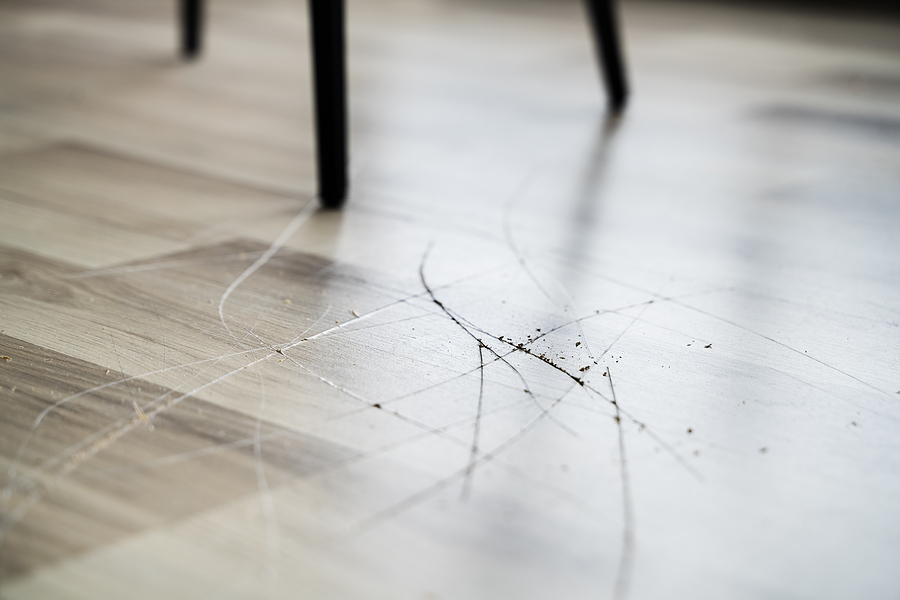
Physical damage is often the most obvious indicator that your flooring has reached the end of its useful life. Cracks in ceramic tiles or concrete flooring create more than just an eyesore. They allow moisture to seep beneath the surface, potentially causing structural damage over time.

Discoloration tells its own story. Faded patches on carpet or vinyl indicate prolonged sun exposure or chemical damage. Stains that won’t lift despite professional cleaning suggest the material has absorbed substances beyond its capacity to recover. Chips in hardwood or laminate flooring expose vulnerable underlayers to moisture and further deterioration.

These signs of wear don’t appear overnight. They accumulate gradually, making it easy to overlook their severity until the damage becomes extensive. Regular inspections help you catch these issues early, before minor imperfections evolve into costly problems requiring complete replacement.

Safety Concerns

Nothing matters more than the safety of your employees and customers. Damaged commercial floors create genuine hazards that can result in serious injuries and potential liability claims.

Uneven surfaces develop when subflooring settles or when materials like bamboo or hardwood warp from moisture exposure. These irregularities might seem minor, but they pose significant tripping risks, especially for elderly customers or employees carrying materials. Loose tiles shift underfoot, creating unexpected movement that can cause falls.

Worn carpet presents its own dangers. Frayed edges catch shoes and canes, while degraded backing loses its grip on the subfloor, creating bunching and waves. Slippery surfaces on vinyl or epoxy flooring indicate worn protective coatings that once provided traction.

If you’re noticing an increase in near-misses or minor accidents in your facility, your flooring might be the culprit. Safety concerns should never be dismissed as cosmetic issues. They represent urgent situations requiring immediate assessment and, often, prompt flooring replacement.

Aesthetic Appearance

Your flooring makes an immediate impression on everyone who enters your business. Outdated or damaged floors communicate messages you probably don’t want to send about your brand’s attention to detail and quality standards.

Studies show that businesses with updated flooring see an average increase in customer satisfaction scores. This correlation isn’t surprising. Clean, modern commercial floors suggest professionalism, cleanliness, and a commitment to excellence. Conversely, stained carpet, cracked tiles, or scuffed laminate can make customers question whether you maintain similar standards in other aspects of your business.

First impressions happen quickly. A customer walking into a retail space with worn, dated flooring may unconsciously associate those visual cues with lower-quality products or services. This perception affects their entire experience and their likelihood of returning.

Consider whether your current flooring aligns with your brand identity. If you’ve recently updated your logo, signage, or interior design, mismatched flooring can undermine those improvements. Modern flooring materials, including eco-friendly flooring options, offer countless design possibilities that can enhance your space and reflect your values.

Increased Maintenance Costs

Aging commercial floors demand more attention and resources. When you’re scheduling cleaning services more frequently or budgeting for constant floor repair, the cumulative costs often exceed the investment in replacement.

Older flooring materials absorb stains more readily as protective coatings wear away. What once required simple mopping now demands specialized treatments and professional intervention. Damaged grout between ceramic tiles needs frequent reapplication. Scratched epoxy flooring requires refinishing to maintain its protective properties.

Track your maintenance expenses over several months. If you’re spending significant amounts on temporary fixes rather than permanent solutions, you’re likely dealing with flooring that’s reached the end of its lifespan. Commercial vinyl, for instance, can develop tears that require patching, but multiple patches indicate systemic failure rather than isolated incidents.

Modern flooring materials offer improved durability and lower maintenance requirements. Carpet removal followed by installation of commercial vinyl or epoxy flooring can dramatically reduce your ongoing cleaning costs while providing a more resilient surface for high-traffic areas.

Request a Commercial Flooring Assessment Now

Health and Hygiene Issues

Damaged flooring doesn’t just look bad—it can harbor serious health hazards. Cracks, gaps, and worn surfaces create spaces where moisture accumulates, leading to mold and mildew growth. These organisms release spores that compromise indoor air quality and trigger allergic reactions, respiratory issues, and other health problems for employees and customers.

Carpet, particularly in commercial settings, traps allergens, dust mites, and bacteria deep within its fibers. Even with regular professional cleaning, aged carpet eventually loses its ability to release these contaminants. The backing can deteriorate, creating an environment where microorganisms thrive beyond the reach of standard cleaning methods.

Moisture damage in hardwood or laminate flooring creates ideal conditions for mold growth. You might notice musty odors or visible discoloration around baseboards where water has penetrated. These signs indicate problems that carpet removal or surface-level repairs won’t solve.

Concrete flooring with cracks or porous surfaces absorbs spills and cleaning solutions, creating permanent stains and potential bacterial growth. Properly sealed epoxy flooring provides a hygienic, easy-to-clean alternative that prevents these issues.

If employees report increased allergies or respiratory symptoms, or if you’re dealing with persistent odors despite thorough cleaning, your flooring may be contributing to poor indoor air quality. Health and hygiene concerns warrant immediate attention, as they affect everyone in your facility and could expose your business to liability.

Additional Considerations

Beyond the primary warning signs, several other factors suggest it’s time to consider flooring replacement. Soundproof flooring might become necessary if noise levels have increased, disrupting productivity or customer experience. Older materials may lack adequate acoustic properties, allowing sound to travel more freely through your space.

Compliance with current safety and accessibility standards is non-negotiable. Building codes evolve, and flooring that met requirements years ago might not satisfy today’s regulations. Non-compliant surfaces could result in fines or legal issues, particularly regarding accessibility for individuals with disabilities.

Energy efficiency deserves consideration as well. Modern flooring materials provide better insulation than older options, helping regulate temperature and reduce heating and cooling costs. This improvement contributes to both operational savings and environmental sustainability.

Analysis shows that modern flooring materials can increase property value, enhancing your business’s assets. This benefit extends beyond immediate functionality to long-term financial considerations, especially if you plan to sell or lease your property.

Take Action Now to Protect Your Investment

Your flooring represents a significant component of your business infrastructure. Recognizing when replacement becomes necessary protects your employees, customers, and bottom line.

Visible damage, safety hazards, declining appearance, rising maintenance costs, and health concerns all signal that your commercial floors have served their purpose. Addressing these issues promptly prevents more extensive damage and potentially costly consequences.

Modern materials offer compelling advantages: improved durability, enhanced aesthetics, better hygiene, and lower lifetime costs. Options like bamboo, ceramic, commercial vinyl, and epoxy flooring provide solutions tailored to different business environments and requirements. Eco-friendly flooring choices allow you to meet sustainability goals while maintaining high performance standards.

The decision to invest in flooring replacement requires careful consideration of your specific needs, budget, and timeline. Professional assessment can help you understand your options and develop a plan that minimizes disruption to your operations.

Don’t wait until minor issues become major problems. Contact us for a quote today and discover how updated commercial flooring can transform your business environment, enhance safety, and create lasting impressions on everyone who walks through your doors.

Place Your Call Now

Related Post: Commercial Flooring: When is Carpeting a Good Choice?