
5 Smart Winter Renovations That Save Your Business Money

Most business owners assume that construction and renovation projects are strictly fair-weather activities. It’s a common misconception that when the temperature drops, all work must stop. But for savvy small business owners, winter actually presents a strategic window of opportunity. Rather than waiting for the frantic spring rush, utilizing the colder months for specific upgrades can minimize disruptions to your operations and even save you significant money.

Renovating during the off-season isn’t just about keeping busy; it’s about fortifying your business against the elements and preparing for the year ahead. While heavy excavation or exterior painting might be off the table, many critical improvements are perfectly suited for winter execution.

This guide explores why the colder months are ideal for updating your commercial space and identifies specific projects that deliver the best return on investment during this time. From bolstering energy efficiency to refreshing your interior aesthetic, these winter-compatible renovations ensure your business emerges from the cold stronger and more inviting than before.
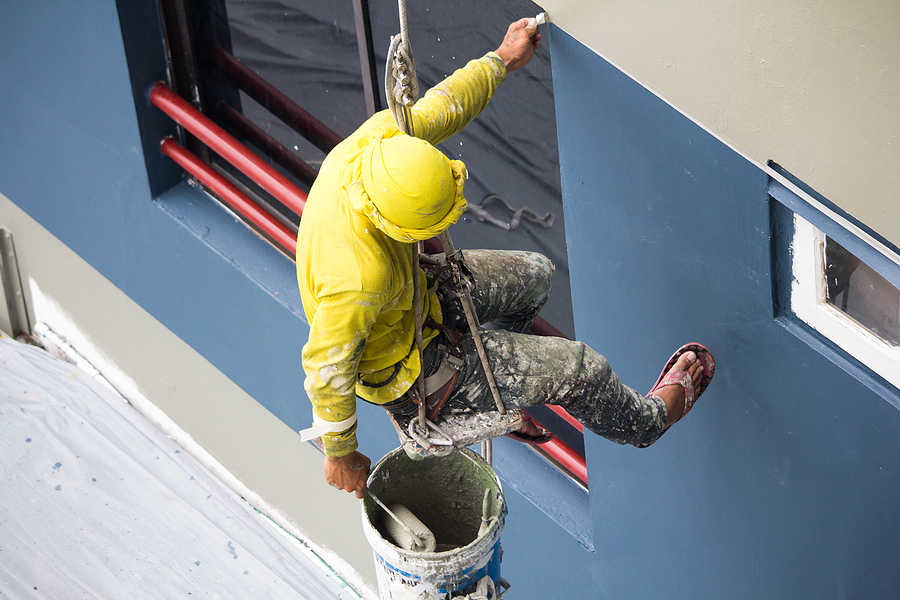
Call 317-253-0531 to Contact Our Commercial Renovation Contractors in Indianapolis

Why Winter is the Secret Season for Renovations

The construction industry typically follows a seasonal cycle, with demand peaking in spring and summer. This fluctuation creates unique advantages for those willing to schedule projects during the quieter winter months. Understanding these benefits can help you make more informed decisions about your capital improvements.

Lower Demand and Faster Scheduling

During the warmer months, general contractors often juggle multiple projects, leading to longer lead times and potentially stretched resources. In winter, the pace slows down. This reduced demand often translates to more flexible scheduling options for you. You are more likely to secure your preferred dates, ensuring the work happens when it is least disruptive to your daily operations. Additionally, permits are often processed faster by local municipalities during their slow season, preventing bureaucratic delays.

Potential Cost Savings

Supply and demand principles apply heavily to construction. Because contractors are often looking to keep their crews busy during the off-season, you may find more competitive pricing on labor. Furthermore, manufacturers of building materials often run end-of-year sales to clear inventory, allowing you to secure high-quality materials at a fraction of the peak-season cost. These savings can be reinvested into other areas of your business or simply help your renovation budget stretch further.

Minimized Disruption

For many businesses, especially those in retail or hospitality, the post-holiday period is naturally slower. Renovating during this lull means fewer customers are inconvenienced by noise or temporary closures. By timing your upgrades to coincide with your lowest traffic periods, you protect your revenue stream while still improving your facility.

Critical Energy Efficiency Upgrades

Winter is the perfect time to address how your building uses—and loses—energy. When the heating system is working overtime, inefficiencies become painfully obvious in the form of high utility bills and drafty workspaces. Addressing these issues now provides immediate comfort and long-term savings.

Insulation and Envelope Sealing

Heat loss is a silent profit killer. If your commercial space lacks adequate insulation, you are essentially paying to heat the outdoors. Winter renovations offer a chance to assess and upgrade insulation in attics, walls, and basements. Spray foam insulation, for example, can be applied indoors regardless of the exterior weather and provides an excellent air barrier.

Sealing the building envelope is equally important. Small gaps around pipes, vents, and electrical outlets allow warm air to escape and cold air to intrude. Professional sealing tightens the building, stabilizing indoor temperatures and reducing the load on your HVAC system.

High-Performance Window Replacements

Old, single-pane windows are notorious for thermal transfer. If your employees are wearing jackets at their desks or customers are avoiding tables near the windows, it’s time for an upgrade. Replacing aging windows with double or triple-pane models filled with inert gas significantly improves thermal performance. While replacing windows involves a brief exposure to the outdoors, professional crews can work room-by-room to minimize heat loss during the installation process.

Smart Thermostat Integration

Upgrading to a smart thermostat system is a low-impact renovation with high-impact results. These devices allow you to automate temperature schedules, ensuring you aren’t heating an empty building overnight or on weekends. Many systems provide detailed usage reports, helping you identify further opportunities for savings. It’s a simple, tech-forward upgrade that pays for itself relatively quickly through reduced energy consumption.

Speak With a Commercial General Contractor Today

Weatherproofing and Protection

Protecting your physical asset from harsh weather is a fundamental responsibility of business ownership. Neglecting exterior maintenance can lead to water damage, structural issues, and costly emergency repairs. While deep winter isn’t the time for a full roof replacement, maintenance and fortification are essential.

Gutter Maintenance and Ice Dam Prevention

Clogged gutters are a recipe for disaster when snow and ice melt. If water cannot flow freely away from your building, it can back up under roof shingles or spill over against the foundation. Winter is a critical time to ensure gutters are clean and securely fastened. Installing gutter guards or heating cables can prevent the formation of ice dams—ridges of ice that form at the edge of a roof and prevent melting snow from draining off. Preventing ice dams is crucial for avoiding water infiltration that can damage ceilings and walls inside your business.

Roof Repairs and Inspections

You don’t have to wait for a leak to think about your roof. Professional contractors can perform inspections and minor repairs even in cold weather, provided surfaces are safe to walk on. Identifying and patching loose flashing or damaged shingles now prevents snowmelt from finding its way into your insulation and drywall. It acts as a proactive shield against the heavy weight of snow and the freeze-thaw cycles that wreak havoc on roofing materials.

Weather Stripping

Entry doors are high-traffic areas that take a beating. Over time, the seals around doors degrade, creating gaps that let in cold drafts and moisture. replacing weather stripping is an inexpensive, quick renovation task that immediately improves the comfort of your lobby or storefront. It also prevents moisture from entering and damaging flooring near entryways.

Interior Enhancements to Boost Appeal

With the exterior buttoned up, winter is the ideal time to turn your attention inward. Interior renovations can revitalize your brand image, improve employee morale, and optimize your workflow, all without opening your building to the elements.

Flooring Upgrades

Worn carpets or cracked tiles send the wrong message to your clients. Winter is an excellent time to rip out old flooring and install durable, modern alternatives. Luxury Vinyl Tile (LVT), for instance, offers the look of wood or stone but with superior durability and water resistance—perfect for handling the wet boots of winter. Because this work is entirely contained indoors, weather delays are non-existent.

Lighting Improvements

Winter days are short, making good interior lighting even more critical. A lighting retrofit can transform a gloomy workspace into a vibrant, productive environment. switching to LED fixtures reduces energy consumption and heat output while providing better quality light. Consider upgrading to motion-sensor lights in restrooms and storage areas to further enhance efficiency. This aesthetic upgrade makes your merchandise look better and reduces eye strain for your staff.

Space Optimization and Layout Changes

As your business evolves, your spatial needs change. Perhaps you need more private offices, a larger break room, or a more open retail floor. The slower winter months provide the breathing room needed to reconfigure interior walls and layouts. Moving non-load-bearing partitions, installing new cabinetry, or repainting walls can completely change the feel of your business. A fresh coat of low-VOC paint can brighten the space significantly without lingering odors, making the environment pleasant for everyone immediately after the work is done.

Invest in Your Business This Season

Winter shouldn’t be a time of hibernation for your business’s growth. By shifting your perspective and viewing the cold months as an opportunity for improvement, you can secure lower rates, faster service, and a better-prepared facility. Whether it’s sealing up a drafty warehouse, upgrading to energy-efficient lighting, or finally remodeling that outdated lobby, the investments you make now will pay dividends when the busy spring season arrives.

Don’t let the weather dictate your progress. Take control of your facility’s future by planning your winter renovations today.

Ready to transform your commercial space? Schedule an Assessment for commercial remodeling and general contracting in Indianapolis today to get started on your winter renovation projects.

Call Now to Get Started

Related Post: Will Winter Impact My Commercial Construction Project?

How to Keep Your Commercial Remodeling Project on Budget

Commercial remodeling can transform your business space into a more functional, attractive, and profitable environment. However, the excitement of renovation can quickly turn to stress when costs spiral beyond your original budget. According to the Project Management Institute, inadequate planning and cost estimation contribute to over 60% of commercial renovation budget overruns—a statistic that keeps many business owners awake at night.

Budget overruns don’t just affect your bottom line; they can disrupt business operations, strain relationships with contractors, and delay your return to normal operations. The good news is that with proper planning, clear communication, and strategic decision-making, you can significantly reduce the risk of exceeding your commercial remodeling budget.

This guide will walk you through proven strategies to maintain budget control throughout your renovation project, from initial planning to final completion. Whether you’re updating a retail space, modernizing an office, or expanding your facility, these practical tips will help you achieve your renovation goals without breaking the bank.

Call 317-253-0531 to Reach Our Commercial Remodeling Contractors in Indiana

Strategic Planning Sets the Foundation

Successful commercial remodeling begins long before the first tool touches your property. Detailed planning forms the backbone of budget control, helping you anticipate costs and avoid expensive surprises down the road. 

Define Your Project Scope and Objectives 

Start by clearly defining your project scope and objectives. What specific outcomes do you want to achieve? Are you updating for aesthetic reasons, improving functionality, expanding capacity, or addressing compliance issues? Document every detail, from electrical upgrades to flooring changes, creating a comprehensive project roadmap. 

Conduct a Thorough Site Assessment 

A thorough site assessment is equally critical. Hidden structural issues, outdated electrical systems, or environmental hazards like asbestos can derail even the most carefully planned budget. Hire qualified professionals to evaluate your space before finalizing your renovation plans. This upfront investment in assessment can prevent costly discoveries during construction. 

Research and Establish Your Budget 

When establishing your commercial remodeling budget, research current market rates for materials and labor in your area. Factor in all expenses, including permits, temporary accommodations for displaced operations, and potential utility upgrades. Remember that commercial remodel costs can vary significantly based on location, project complexity, and current market conditions.

Choosing the Right Team Makes All the Difference

Your choice of contractor can make or break your commercial remodeling budget. Experienced professionals bring valuable expertise, established supplier relationships, and proven project management skills that help keep costs under control.

Don’t automatically choose the lowest bid. Instead, focus on value and reliability. Ask potential contractors essential questions: Are you licensed and insured? Can you provide references from previous clients with similar projects? Do you have experience with commercial spaces like ours? How do you handle unexpected issues and change orders?

Obtain multiple detailed bids from qualified contractors. Each proposal should include a comprehensive breakdown of materials, labor, permits, and timeline. This transparency allows you to compare options effectively and identify potential budget risks before signing contracts.

Check references thoroughly. Contact previous clients to ask about budget adherence, communication quality, timeline management, and overall satisfaction. A contractor with a track record of completing projects on time and on budget is worth the investment.

Communication and Contracts Protect Your Investment

Clear communication channels and detailed contracts serve as your primary defense against budget overruns. Establish regular check-ins with your contractor to review progress, address concerns, and discuss any necessary adjustments before they become expensive problems.

Your contract should specify every aspect of the project, including materials, labor, timeline, payment schedule, and procedures for handling changes. Include detailed descriptions of work to be performed, quality standards, and completion criteria. The more specific your contract, the less room there is for misunderstandings that lead to cost disputes.

Address change orders upfront. Changes are often inevitable in commercial remodeling, but they don’t have to destroy your budget. Establish a clear process for evaluating, approving, and pricing modifications to the original scope. Require written approval for all changes before work begins, and understand how each alteration affects your timeline and budget.

Request a Commercial Remodeling Bid Today! 👷

Smart Cost-Saving Strategies

Alternative Materials

Value engineering offers significant opportunities to reduce commercial remodeling costs without sacrificing quality. Work with your contractor to identify alternative materials, methods, or designs that achieve your goals at lower costs. For example, choosing high-quality laminate over hardwood flooring might provide the aesthetic you want at a fraction of the price. 

Consider a Phased Approach 

Consider a phased approach to your renovation. Breaking your project into manageable phases allows you to spread costs over time, maintain better budget control, and minimize disruption to your business operations. You might complete structural work first, then tackle cosmetic updates, or renovate different areas of your facility sequentially. 

Explore Material Procurement Options 

Explore material procurement options. Sometimes, sourcing materials directly from suppliers rather than through your contractor can reduce costs. However, this approach requires careful coordination and assumes responsibility for delivery timing and material quality. 

Invest in Energy-Efficient Upgrades 

Invest in energy-efficient upgrades that provide long-term savings. While LED lighting, high-efficiency HVAC systems, or improved insulation might increase upfront costs, they often deliver substantial operational savings that improve your project’s overall return on investment. 

Schedule Work Strategically 

Schedule work tactically. Off-peak scheduling can reduce labor costs and minimize disruption to your business. Additionally, planning your project during slower business periods helps maintain revenue while renovation work progresses.

Prepare for the Unexpected

No matter how thoroughly you plan, unexpected issues can arise during commercial remodeling. Setting aside a contingency fund of 10-20% of your total budget provides a financial buffer for unforeseen circumstances like structural problems, code compliance issues, or material price fluctuations.

Understand the regulatory landscape. Ensure your project complies with local building codes, ADA guidelines, zoning restrictions, and environmental regulations. Non-compliance can result in costly delays, fines, and required rework. Work with professionals familiar with commercial building requirements to navigate these complexities successfully.

Verify that your contractor carries appropriate insurance coverage. This protection shields you from liability for accidents, property damage, or worker injuries that could otherwise result in significant unexpected expenses.

Monitor Progress and Maintain Control

Regular monitoring throughout your project helps identify potential budget issues before they become major problems. Request weekly progress reports that include expense tracking, timeline updates, and identification of any emerging challenges.

Implement a systematic approach to expense tracking. Compare actual costs against your original budget regularly, and investigate any significant variances immediately. Early detection of budget drift allows you to make adjustments before costs spiral out of control.

Maintain open communication with your contractor and subcontractors. Regular site visits, progress meetings, and transparent discussions about challenges help ensure everyone remains focused on budget objectives.

Your Commercial Remodeling Budget Checklist

Use this comprehensive checklist to systematically plan your renovation project and minimize budget risks:

Pre-Project Planning:

  • Define project scope and objectives clearly
  • Establish a realistic budget with contingency fund
  • Conduct thorough site assessment
  • Research local building codes and permit requirements
  • Identify potential regulatory compliance issues

General Contractor Selection:

  • Obtain multiple detailed bids from qualified contractors
  • Verify licenses, insurance, and bonding
  • Check references from similar commercial projects
  • Evaluate contractor experience with your project type
  • Assess communication style and project management approach

Contract and Communication:

  • Review contracts thoroughly before signing
  • Establish clear change order procedures
  • Set up regular communication channels
  • Define quality standards and completion criteria
  • Secure all necessary permits and approvals

Budget Management:

  • Implement expense tracking system
  • Schedule regular budget review meetings
  • Explore value engineering opportunities
  • Consider phased approach if appropriate
  • Plan for energy-efficient upgrades where beneficial

Project Execution:

  • Monitor progress against timeline and budget
  • Conduct regular site inspections
  • Address issues promptly as they arise
  • Maintain detailed records of all changes
  • Ensure work meets quality standards before final payment

Conclusion

Successful commercial remodeling requires more than just vision—it demands careful planning, strategic decision-making, and consistent attention to budget management. By implementing the strategies outlined in this guide, you can significantly reduce the risk of cost overruns while achieving the transformation your business space needs.

Remember that every dollar saved on your renovation project is a dollar that can be invested back into your business operations, marketing, or future growth opportunities. The time and effort you invest in proper budgeting and project management will pay dividends throughout the renovation process and beyond.

Ready to transform your commercial space while staying within budget? Our experienced team specializes in helping businesses navigate complex renovation projects with transparent pricing, clear communication, and proven budget management strategies. Contact BAF Corporation today to discuss your next project and discover how we can help you achieve your renovation goals without financial surprises.

Book a Consultation Now

Related Post: Why Every Commercial Renovation Needs a Contingency Fund