Running a commercial facility often feels like a balancing act between maintaining a comfortable environment and managing operating costs. Among the most significant expenses for any building owner are heating and cooling. In fact, HVAC systems account for a massive portion of total energy use in commercial spaces. When those bills start to climb, it’s not just a drain on your budget—it’s a signal that your building’s efficiency may be compromising your bottom line.
Energy efficiency isn’t just a buzzword; it is a practical necessity for modern business operations. Upgrading your facility doesn’t always require a total demolition or a pause in operations. Strategic improvements can drastically reduce waste, lower utility bills, and create a more pleasant workspace for employees and customers alike.
This guide explores the most effective energy-efficient upgrades for commercial buildings, helping you navigate the complexities of HVAC optimization, insulation, and lighting to secure long-term savings.
The Real Value of Energy-Efficient Upgrades
Investing in efficiency might seem like a significant upfront cost, but the return on investment (ROI) extends far beyond the monthly utility bill. Understanding the broader benefits can help you make a compelling case for these improvements to stakeholders or partners.
Lower Operating Costs
The most immediate benefit is a reduction in overhead. Inefficient systems work harder to achieve the same results, consuming more power and wearing out faster. By optimizing your energy use, you directly impact your net operating income. For businesses operating on tight margins, these savings can be substantial over a fiscal year.
Increased Property Value
Energy-efficient buildings are highly attractive assets in the real estate market. Prospective tenants and buyers are increasingly savvy about operating costs. A building with documented low energy usage and modern systems commands higher lease rates and sale prices compared to outdated facilities that require expensive retrofitting.
Positive Environmental Impact
Sustainability is a growing priority for businesses and consumers. Reducing your building’s carbon footprint demonstrates corporate responsibility. This commitment to the environment can enhance your brand reputation, appealing to eco-conscious clients and employees who value green initiatives.
Optimizing Your HVAC System
Heating, ventilation, and air conditioning systems are the lungs of your commercial building. If they are outdated or poorly maintained, they are likely the biggest culprit behind high energy bills.
Regular Maintenance and Tune-Ups
Before considering a replacement, look at your maintenance schedule. Clogged filters, dirty coils, and worn-out belts force your system to run longer and work harder. Establishing a routine maintenance contract with a qualified technician ensures your system operates at peak efficiency. Simple fixes, like sealing leaky ducts, can improve efficiency by up to 20 percent.
Smart Thermostats and Building Automation
Human error leads to wasted energy. Smart thermostats and Building Automation Systems (BAS) remove the guesswork. These systems learn your building’s patterns—when it’s occupied and when it’s empty—and adjust temperatures accordingly. You can program zones so that you aren’t cooling an empty conference room or heating a warehouse to the same temperature as the front office.
Investing in High-Efficiency Models
If your current system is more than 15 years old, it may be time for a replacement. Modern high-efficiency units have higher SEER (Seasonal Energy Efficiency Ratio) ratings, meaning they provide the same amount of cooling using significantly less electricity. While the initial investment is higher, the reduction in energy consumption often pays for the unit over its lifespan.
Schedule an Energy Efficiency Assessment Today ✅
Strengthening the Building Envelope: Insulation and Windows
Even the most advanced HVAC system cannot be efficient if the building itself is leaking air. Your “building envelope”—the physical separator between the conditioned and unconditioned environment—needs to be tight.
Wall and Roof Insulation
Heat naturally flows from warmer areas to cooler ones. In the winter, your expensive heat escapes through the roof; in the summer, the sun’s heat radiates inward. Upgrading insulation in the roof and walls acts as a thermal barrier. For commercial flat roofs, adding rigid foam insulation during a re-roofing project is a cost-effective way to improve R-values (thermal resistance).
High-Performance Windows
Windows are often the weakest link in the building envelope. Single-pane windows offer virtually no insulation. Upgrading to double or triple-pane windows with Low-E (low-emissivity) coatings can dramatically reduce heat transfer. If replacing windows isn’t in the budget, window films can offer a moderate improvement by blocking solar heat gain during hot summer months.
Illuminating Savings With Lighting Upgrades
Lighting technology has advanced rapidly in the last decade. If your facility still relies on fluorescent tubes or incandescent bulbs, you are essentially paying for heat rather than light.
The Shift to LED
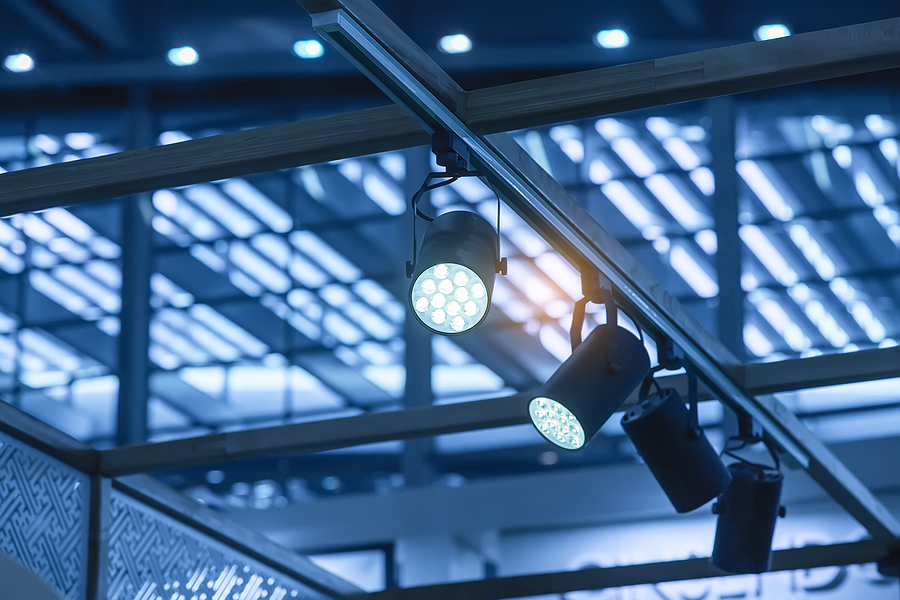
Light Emitting Diodes (LEDs) are the gold standard for commercial lighting. They use up to 75 percent less energy than incandescent lighting and last up to 25 times longer. This longevity reduces maintenance costs, as facilities teams spend less time replacing burnt-out bulbs in hard-to-reach warehouse ceilings or parking lot fixtures.
Daylight Harvesting
Why pay for artificial light when the sun is shining? Daylight harvesting systems use sensors to detect available natural light levels. As sunlight streams through windows or skylights, the system automatically dims or turns off artificial lights in those zones. This creates a more natural environment while slashing energy usage.
Motion Sensors and Timers
Leaving lights on in unoccupied areas is a common source of waste. Installing occupancy sensors in restrooms, break rooms, and private offices ensures lights are only active when needed. For exterior lighting, timers or photocells ensure parking lot lights only activate from dusk to dawn.
Leveraging Government Incentives and Rebates
The financial burden of these upgrades doesn’t have to rest solely on your shoulders. Governments and utility companies frequently offer incentives to encourage energy efficiency.
Federal Tax Deductions
In the United States, programs like the Section 179D Commercial Buildings Energy-Efficiency Tax Deduction allow building owners to claim deductions for installing qualified energy-efficient systems, including HVAC, lighting, and building envelope upgrades.
Utility Rebates
Local utility providers often run rebate programs to reduce the strain on the power grid. They may offer cash back for switching to LED lighting or installing high-efficiency heat pumps. It is crucial to research these programs before starting your project, as many require pre-approval.
PACE Financing
Property Assessed Clean Energy (PACE) financing allows property owners to finance energy efficiency upgrades with no upfront costs. The loan is repaid through a voluntary assessment on your property tax bill. This ties the loan to the property rather than the owner, which can be advantageous if you plan to sell the building in the future.
In Summary
Upgrading a commercial facility requires planning, expertise, and a clear understanding of your building’s unique needs. Whether you are looking to retrofit an aging warehouse or optimize a modern office complex, the goal remains the same: reducing waste to improve profitability and comfort.
Lowering your heating and cooling bills is a journey that begins with an assessment of your current systems. By addressing HVAC inefficiencies, tightening insulation, and modernizing lighting, you create a workspace that works for you, not against you.
If you are ready to evaluate your building’s potential and implement lasting changes, you need a partner who understands commercial construction nuances. For expert guidance and execution on your next project, contact us today for commercial general contracting in Indianapolis. Let’s build a more efficient future for your business.
Related Post: Top 3 Commercial Building Designs for Energy Efficiency