
Is It Time to Replace Your Business’s Flooring? Key Signs to Watch For

Your business’s flooring endures constant foot traffic, heavy equipment, and daily wear. Over time, even the most durable commercial floors begin to show their age. Recognizing when it’s time for flooring replacement can save you money, protect your employees and customers, and maintain your professional image.

Many business owners struggle with this decision. The upfront cost of commercial remodeling can seem daunting, and you might worry about disrupting daily operations during floor installation. However, delaying necessary replacement often leads to higher expenses down the road—from increased maintenance costs to potential liability issues.

This guide will help you identify the clear warning signs that your commercial flooring needs attention. Whether you’re managing a retail space, office building, or industrial facility, understanding these indicators will empower you to make informed decisions about your property’s future.

Call 317-253-0531 for Commercial Flooring Replacement in Indianapolis
Call 317-253-0531 for Commercial Flooring Procurement & Installation in Indianapolis Indiana

Your Commercial Floor Assessment Starts Now

Signs of Wear and Tear

Physical damage is often the most obvious indicator that your flooring has reached the end of its useful life. Cracks in ceramic tiles or concrete flooring create more than just an eyesore. They allow moisture to seep beneath the surface, potentially causing structural damage over time.

Discoloration tells its own story. Faded patches on carpet or vinyl indicate prolonged sun exposure or chemical damage. Stains that won’t lift despite professional cleaning suggest the material has absorbed substances beyond its capacity to recover. Chips in hardwood or laminate flooring expose vulnerable underlayers to moisture and further deterioration.

These signs of wear don’t appear overnight. They accumulate gradually, making it easy to overlook their severity until the damage becomes extensive. Regular inspections help you catch these issues early, before minor imperfections evolve into costly problems requiring complete replacement.

Safety Concerns

Nothing matters more than the safety of your employees and customers. Damaged commercial floors create genuine hazards that can result in serious injuries and potential liability claims.

Uneven surfaces develop when subflooring settles or when materials like bamboo or hardwood warp from moisture exposure. These irregularities might seem minor, but they pose significant tripping risks, especially for elderly customers or employees carrying materials. Loose tiles shift underfoot, creating unexpected movement that can cause falls.

Worn carpet presents its own dangers. Frayed edges catch shoes and canes, while degraded backing loses its grip on the subfloor, creating bunching and waves. Slippery surfaces on vinyl or epoxy flooring indicate worn protective coatings that once provided traction.

If you’re noticing an increase in near-misses or minor accidents in your facility, your flooring might be the culprit. Safety concerns should never be dismissed as cosmetic issues. They represent urgent situations requiring immediate assessment and, often, prompt flooring replacement.

Aesthetic Appearance

Your flooring makes an immediate impression on everyone who enters your business. Outdated or damaged floors communicate messages you probably don’t want to send about your brand’s attention to detail and quality standards.

Studies show that businesses with updated flooring see an average increase in customer satisfaction scores. This correlation isn’t surprising. Clean, modern commercial floors suggest professionalism, cleanliness, and a commitment to excellence. Conversely, stained carpet, cracked tiles, or scuffed laminate can make customers question whether you maintain similar standards in other aspects of your business.

First impressions happen quickly. A customer walking into a retail space with worn, dated flooring may unconsciously associate those visual cues with lower-quality products or services. This perception affects their entire experience and their likelihood of returning.

Consider whether your current flooring aligns with your brand identity. If you’ve recently updated your logo, signage, or interior design, mismatched flooring can undermine those improvements. Modern flooring materials, including eco-friendly flooring options, offer countless design possibilities that can enhance your space and reflect your values.

Increased Maintenance Costs

Aging commercial floors demand more attention and resources. When you’re scheduling cleaning services more frequently or budgeting for constant floor repair, the cumulative costs often exceed the investment in replacement.

Older flooring materials absorb stains more readily as protective coatings wear away. What once required simple mopping now demands specialized treatments and professional intervention. Damaged grout between ceramic tiles needs frequent reapplication. Scratched epoxy flooring requires refinishing to maintain its protective properties.

Track your maintenance expenses over several months. If you’re spending significant amounts on temporary fixes rather than permanent solutions, you’re likely dealing with flooring that’s reached the end of its lifespan. Commercial vinyl, for instance, can develop tears that require patching, but multiple patches indicate systemic failure rather than isolated incidents.

Modern flooring materials offer improved durability and lower maintenance requirements. Carpet removal followed by installation of commercial vinyl or epoxy flooring can dramatically reduce your ongoing cleaning costs while providing a more resilient surface for high-traffic areas.

Request a Commercial Flooring Assessment Now

Health and Hygiene Issues

Damaged flooring doesn’t just look bad—it can harbor serious health hazards. Cracks, gaps, and worn surfaces create spaces where moisture accumulates, leading to mold and mildew growth. These organisms release spores that compromise indoor air quality and trigger allergic reactions, respiratory issues, and other health problems for employees and customers.

Carpet, particularly in commercial settings, traps allergens, dust mites, and bacteria deep within its fibers. Even with regular professional cleaning, aged carpet eventually loses its ability to release these contaminants. The backing can deteriorate, creating an environment where microorganisms thrive beyond the reach of standard cleaning methods.

Moisture damage in hardwood or laminate flooring creates ideal conditions for mold growth. You might notice musty odors or visible discoloration around baseboards where water has penetrated. These signs indicate problems that carpet removal or surface-level repairs won’t solve.

Concrete flooring with cracks or porous surfaces absorbs spills and cleaning solutions, creating permanent stains and potential bacterial growth. Properly sealed epoxy flooring provides a hygienic, easy-to-clean alternative that prevents these issues.

If employees report increased allergies or respiratory symptoms, or if you’re dealing with persistent odors despite thorough cleaning, your flooring may be contributing to poor indoor air quality. Health and hygiene concerns warrant immediate attention, as they affect everyone in your facility and could expose your business to liability.

Additional Considerations

Beyond the primary warning signs, several other factors suggest it’s time to consider flooring replacement. Soundproof flooring might become necessary if noise levels have increased, disrupting productivity or customer experience. Older materials may lack adequate acoustic properties, allowing sound to travel more freely through your space.

Compliance with current safety and accessibility standards is non-negotiable. Building codes evolve, and flooring that met requirements years ago might not satisfy today’s regulations. Non-compliant surfaces could result in fines or legal issues, particularly regarding accessibility for individuals with disabilities.

Energy efficiency deserves consideration as well. Modern flooring materials provide better insulation than older options, helping regulate temperature and reduce heating and cooling costs. This improvement contributes to both operational savings and environmental sustainability.

Analysis shows that modern flooring materials can increase property value, enhancing your business’s assets. This benefit extends beyond immediate functionality to long-term financial considerations, especially if you plan to sell or lease your property.

Take Action Now to Protect Your Investment

Your flooring represents a significant component of your business infrastructure. Recognizing when replacement becomes necessary protects your employees, customers, and bottom line.

Visible damage, safety hazards, declining appearance, rising maintenance costs, and health concerns all signal that your commercial floors have served their purpose. Addressing these issues promptly prevents more extensive damage and potentially costly consequences.

Modern materials offer compelling advantages: improved durability, enhanced aesthetics, better hygiene, and lower lifetime costs. Options like bamboo, ceramic, commercial vinyl, and epoxy flooring provide solutions tailored to different business environments and requirements. Eco-friendly flooring choices allow you to meet sustainability goals while maintaining high performance standards.

The decision to invest in flooring replacement requires careful consideration of your specific needs, budget, and timeline. Professional assessment can help you understand your options and develop a plan that minimizes disruption to your operations.

Don’t wait until minor issues become major problems. Contact us for a quote today and discover how updated commercial flooring can transform your business environment, enhance safety, and create lasting impressions on everyone who walks through your doors.

Place Your Call Now

Related Post: Commercial Flooring: When is Carpeting a Good Choice?
Transform Your Business with Minimalist Commercial Design

The way you design your commercial space speaks volumes about your brand before you even say a word. Every element—from the lighting to the furniture placement—contributes to how customers, clients, and employees perceive your business. While elaborate designs once dominated commercial spaces, a shift toward minimalist design principles is reshaping how we think about interior design trends.

Minimalist commercial design isn’t about creating stark, empty spaces. It’s about intentional choices that maximize impact while minimizing clutter. This approach has gained traction among business owners who recognize that less can indeed be more—more functional, more cost-effective, and more memorable.

Understanding minimalist design principles can transform your commercial space into an environment that not only looks sophisticated but also enhances productivity, improves customer experience, and strengthens your brand identity. The key lies in knowing how to implement these principles effectively while avoiding common pitfalls that can make spaces feel cold or uninviting.

Call 317-253-0531 to Reach Our Indiana Commercial Remodeling Firm

Core Principles of Minimalist Design

Simplicity as a Foundation

Minimalist design centers on the principle that every element should serve a purpose. This doesn’t mean removing everything until you’re left with empty rooms. Instead, it means carefully curating each component to ensure it contributes to your space’s overall function and aesthetic.

Clean lines dominate minimalist commercial design, creating visual continuity that guides the eye naturally through the space. Furniture with simple geometric shapes, unadorned surfaces, and streamlined profiles help establish this foundation. The goal is to eliminate visual noise that can distract from your business’s core message.

Functionality Drives Every Decision

In minimalist commercial design, form follows function. Every piece of furniture, every fixture, and every decorative element must earn its place by serving a practical purpose. This principle becomes particularly important in commercial settings where space efficiency directly impacts operational costs and customer flow.

Multi-functional furniture exemplifies this principle perfectly. A reception desk that incorporates storage, seating that doubles as room dividers, or lighting fixtures that also serve as design focal points maximize utility while maintaining clean aesthetics.

Clean Aesthetics Create Lasting Impact

The visual cleanliness of minimalist design creates an immediate sense of professionalism and sophistication. This aesthetic relies on uncluttered surfaces, strategic use of negative space, and careful attention to proportions. The result is a space that feels larger, more organized, and more welcoming than traditional cluttered environments.

Explore Our Commercial Remodeling Solutions 🔎

Benefits of Minimalist Design in Commercial Spaces

Cost-Effectiveness That Impacts Your Bottom Line

Minimalist design offers significant financial advantages for businesses. By focusing on fewer, higher-quality pieces rather than numerous decorative items, you can allocate your budget more strategically. This approach often results in lower initial investment costs and reduced maintenance expenses over time.

Durable materials like concrete and reclaimed wood, staples of minimalist commercial design, require minimal upkeep while developing character over time. Natural light becomes a primary design element, reducing electricity costs and creating a more inviting atmosphere without additional investment in artificial lighting solutions.

Enhanced Customer Experience

Minimalist commercial spaces improve customer navigation and comfort. Clear sightlines help customers orient themselves quickly, reducing confusion and frustration. The absence of visual clutter allows your products or services to take center stage, creating focus where it matters most.

Research consistently shows that customers spend more time in well-organized, visually calm environments. This increased dwell time can translate directly into higher sales and improved customer satisfaction ratings.

Strengthened Brand Image

Minimalist design communicates confidence, professionalism, and attention to detail. These qualities resonate across industries, from tech startups to established law firms. The clean aesthetic suggests efficiency and competence, qualities that customers value when making purchasing decisions.

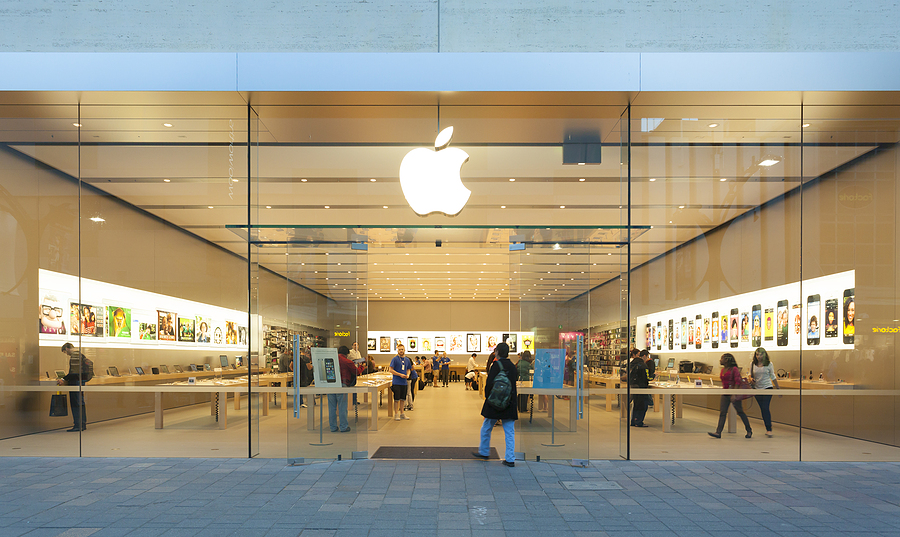
Apple stores exemplify this principle perfectly. Their minimalist commercial design emphasizes clean lines, open spaces, and minimal product display to create a high-tech, uncluttered environment. This approach allows their products to shine while reinforcing their brand identity as innovative and user-friendly.

Minimalist Design Across Commercial Settings

Retail Environments

Retail spaces benefit enormously from minimalist principles. Strategic product placement against clean backdrops draws attention to merchandise while preventing the overwhelming feeling that cluttered displays can create. Open shelving systems provide necessary storage and display space without creating visual barriers.

Natural stone accents can add texture and warmth to retail environments without compromising the clean aesthetic. These materials work particularly well in high-traffic areas where durability is essential.

Office Spaces

Minimalist office design enhances productivity by reducing distractions and creating calm working environments. Open floor plans with carefully placed furniture promote collaboration while maintaining individual workspace integrity. Natural light becomes crucial in these settings, supporting employee well-being and reducing operational costs.

The key to successful minimalist office design lies in balancing openness with privacy needs. Strategic placement of plants or architectural elements can create subtle divisions without building walls.

Restaurant and Hospitality

Restaurants using minimalist design principles create memorable dining experiences that feel sophisticated yet comfortable. Clean lines in furniture and fixtures allow food presentation to take center stage while maintaining the warm atmosphere essential for hospitality success.

Contact Our Commercial Builders Today 📐

Practical Implementation Tips

Color Palettes That Work

Neutral color schemes form the backbone of successful minimalist commercial design. White, gray, and beige provide versatile foundations that can adapt to changing branding needs without requiring complete renovation. These colors also maximize natural light reflection, making spaces feel larger and more welcoming.

Accent colors should be used sparingly and strategically. A single bold color can create visual interest without overwhelming the space’s clean aesthetic.

Material Selection Strategy

Choose materials that age gracefully and require minimal maintenance. Concrete floors provide durability and visual continuity while developing attractive patina over time. Reclaimed wood adds warmth and character while supporting sustainability goals that many customers value.

Natural stone works exceptionally well in high-traffic areas, providing both beauty and practicality. These materials typically require higher initial investment but offer superior long-term value through reduced replacement costs.

Space Planning Essentials

Effective space planning in minimalist commercial design requires careful attention to traffic flow and functional zones. Create clear pathways that guide movement naturally through the space while ensuring adequate room for comfortable navigation.

Negative space becomes as important as furnished areas. Strategic use of empty space prevents cramped feelings while highlighting important elements like product displays or artwork.

Cost-Saving Strategies

Smart Furniture Choices

Prioritize multi-functional furniture pieces that serve multiple purposes. Reception desks with built-in storage, modular seating systems, and height-adjustable tables maximize utility while minimizing the total number of items needed.

Consider repurposing existing fixtures and furniture whenever possible. Simple modifications like new hardware or fresh paint can transform outdated pieces into minimalist design elements.

Strategic Lighting Investments

Maximize natural light through strategic window treatments and mirror placement. This approach reduces electricity consumption while creating the bright, airy atmosphere essential to minimalist design success.

When artificial lighting is necessary, choose fixtures that double as design elements. Pendant lights or track lighting can provide necessary illumination while contributing to the space’s overall aesthetic.

Affordable Art and Accessories

Select artwork and accessories that add character without cluttering the space. Large-scale pieces often work better than collections of smaller items, creating visual impact while maintaining clean lines.

Consider local artists or affordable print options that align with your brand identity. The key is choosing pieces that enhance rather than compete with your space’s overall design.

Final Thoughts

Minimalist commercial design offers a pathway to creating spaces that truly serve your business goals. By focusing on essential elements and eliminating excess, you can create environments that feel both professional and welcoming, sophisticated and approachable.

The long-term value of minimalist design extends beyond aesthetic appeal. These spaces typically require less maintenance, adapt more easily to changing needs, and create positive impressions that support business growth. Whether you’re planning a complete renovation or making strategic updates, minimalist principles can guide decisions that benefit both your budget and your brand.

The investment in thoughtful, minimalist commercial design pays dividends through improved customer experience, enhanced employee satisfaction, and reduced operational costs. The key lies in understanding that minimalism isn’t about emptiness—it’s about intentional choices that create maximum impact.

Ready to transform your commercial space with minimalist design principles? Schedule a consultation with BAF Corporation to explore how these strategies can work for your specific business needs and budget requirements.

Book Your Consult Now

Related Post: Top Hotel Remodeling Tips and Latest Design Trends for 2025