Owning or managing a commercial property involves juggling countless responsibilities, and it is easy to let routine upkeep slide to the bottom of the priority list. When a building system appears to be working fine, spending money to service it might feel like an unnecessary expense. However, neglecting routine care often leads to severe financial consequences down the line.
Industry research reveals a harsh reality for property managers: every dollar saved by deferring maintenance typically results in four dollars of future capital renewal costs. A minor issue left unchecked can quickly compound into a catastrophic failure, bringing business operations to a grinding halt. From unexpected plumbing leaks to sudden HVAC breakdowns during a harsh Indiana winter, the unseen costs of neglect are substantial.
Implementing a proactive strategy is a proven way to protect your bottom line. By anticipating wear and tear, you can control your budget, keep tenants safe, and maintain the structural integrity of your building. This guide outlines how a thoughtful approach to property care can deliver significant financial returns and help your business thrive.
Understanding Preventative Maintenance
Preventative maintenance involves scheduling regular inspections, servicing, and repairs to keep a building’s systems functioning optimally. Instead of waiting for a component to break, facility managers address potential issues before they escalate. This process includes everything from changing air filters and cleaning gutters to testing electrical panels and inspecting roof membranes.
Reactive vs. Proactive Approaches
A reactive maintenance approach means fixing things only when they break. While this might save a few dollars in the short term, emergency repairs often cost two to three times more than planned service calls.
Conversely, a proactive approach focuses on longevity and efficiency. Studies show that comprehensive preventative maintenance programs can deliver a remarkable 545% return on investment over a 25-year period. By shifting from a reactive mindset to a proactive one, commercial property owners can reduce overall repair costs by up to 30%.
Key Areas of Preventative Maintenance for Commercial Properties
HVAC System Maintenance
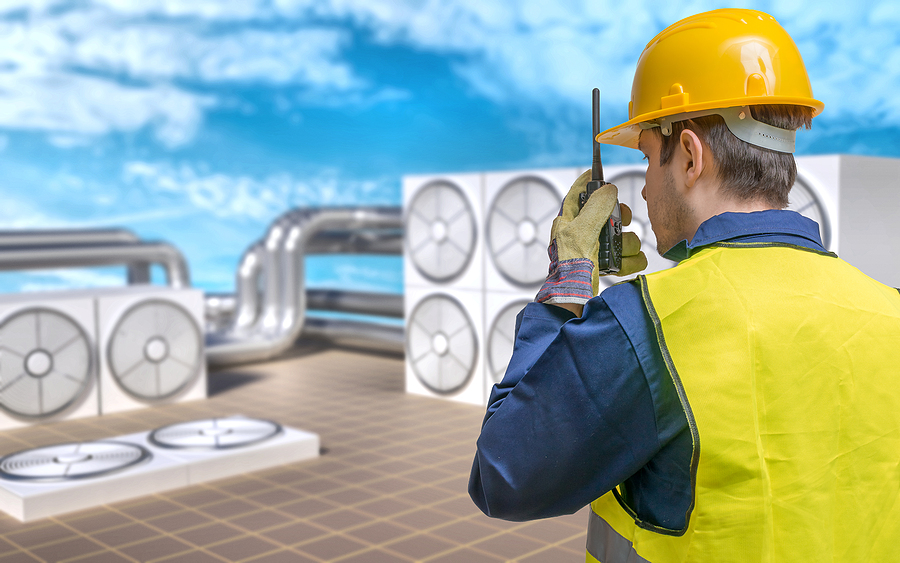
Commercial heating, ventilation, and air conditioning systems are complex and require consistent attention. Especially in regions with variable climates like Indianapolis, reliable temperature control is essential for tenant comfort and safety.
Benefits of Regular HVAC Servicing
Routine HVAC servicing keeps your equipment running efficiently, which directly impacts your utility bills. The U.S. Department of Energy notes that proper HVAC maintenance can reduce energy consumption by 15% to 20%.
Common HVAC Issues and Prevention
Dirty filters, clogged coils, and worn belts are common culprits behind system failures. Regular inspections allow technicians to clean these components, lubricate moving parts, and catch small refrigerant leaks before they cause the entire system to freeze up.
Roofing Inspections and Repairs
Your commercial roof is the first line of defense against the elements. Ignoring it can lead to severe structural damage and costly interior repairs.
Protecting Your Investment from the Top Down
Biannual roof inspections—typically in the spring and fall—help identify vulnerabilities before water breaches the building envelope. Removing debris, checking flashing, and sealing minor cracks are simple steps that extend the lifespan of your roof significantly.
Signs of Roof Trouble
Keep an eye out for pooling water, bubbling membranes, or loose flashing. Inside the building, water stains on the ceiling or an unexplained musty odor are clear indicators that your roof requires immediate attention.
Plumbing System Checks
Water damage is one of the most expensive and disruptive issues a commercial property can face. A proactive plumbing strategy is vital for avoiding massive remediation bills.
Avoiding Costly Water Damage
A small drip can waste thousands of gallons of water over a year, while a burst pipe can destroy inventory and halt business operations. Regular pressure tests and visual inspections help catch failing valves and corroded pipes early.
Routine Plumbing Maintenance Tasks
Your maintenance team should routinely flush water heaters to remove sediment, inspect drain lines with cameras to clear blockages, and test backflow preventers to ensure the local water supply remains uncontaminated.
Electrical System Safety and Efficiency
Electrical systems are the heartbeat of any commercial facility. Maintaining them is critical for both operational efficiency and fire safety.
Preventing Downtime and Hazards
Faulty wiring or overloaded circuits pose a severe fire risk and can cause unexpected power outages. Annual electrical inspections ensure your building meets current safety codes and can handle the electrical load of modern business equipment.
Electrical System Maintenance Tips
Have a licensed electrician check distribution panels, tighten connections, and test emergency lighting. Upgrading to LED fixtures during routine maintenance is also an excellent way to lower your ongoing energy expenses.
Exterior and Grounds Upkeep
The exterior of your building creates the first impression for clients, customers, and potential tenants.
Curb Appeal and Structural Integrity
Regular commercial pressure washing removes dirt, mold, and corrosive pollutants that can degrade exterior building materials. Sealing cracks in the foundation or masonry prevents moisture intrusion, protecting the building’s structural integrity.
Landscaping and Pavement Maintenance
Overgrown trees can damage roofing and siding, while cracked parking lots create trip hazards and liability issues. Filling pavement cracks, maintaining clear drainage pathways, and keeping landscaping neat are essential components of exterior care.
The Financial Benefits: How Preventative Maintenance Saves You Money
Reducing Emergency Repair Costs
Emergency service calls come with premium price tags. Contractors charge extra for after-hours or weekend work, and you often have to pay expedited shipping fees for replacement parts. Scheduled maintenance allows you to negotiate standard rates and source parts at competitive prices, reducing repair costs by 15% to 25% in the first year alone.
Extending Asset Lifespan
Replacing major building systems requires massive capital expenditure. Regular servicing reduces the strain on mechanical components. For example, a properly maintained commercial boiler or air compressor can last up to 20% longer than a neglected unit, allowing you to defer replacement costs for years.
Improving Energy Efficiency
Equipment that is dirty or poorly lubricated has to work much harder to achieve the desired results. By keeping systems clean and well-tuned, you reduce the amount of electricity and gas required to run them, leading to substantial monthly utility savings.
Minimizing Business Disruption
When a critical system fails, your tenants cannot operate normally. This can lead to lost productivity, withheld rent, or broken leases. Proactive maintenance ensures your building remains functional and comfortable, protecting your rental income streams.
Enhancing Property Value
A well-maintained building is highly attractive to prospective buyers and premium tenants. Demonstrating a documented history of preventative maintenance can boost your property’s market value by up to 10%, giving you a distinct advantage in the commercial real estate market.
Implementing a Preventative Maintenance Program
Creating a Maintenance Schedule
Start by conducting a comprehensive audit of your property. Inventory all major assets, note their age and condition, and consult manufacturer guidelines to determine required service intervals. Use this data to build a seasonal calendar that dictates exactly when each task should be completed.
Choosing the Right Maintenance Partner
Partner with reputable contractors who understand the specific needs of commercial facilities. Look for professionals who offer comprehensive service agreements, transparent pricing, and robust reporting capabilities.
Tracking and Documentation
Utilize a computerized maintenance management system (CMMS) to track work orders, log equipment histories, and monitor spending. Detailed records not only keep your team accountable but also provide valuable proof of upkeep for insurance providers and future buyers.
FAQ: Preventative Maintenance for Commercial Properties
How often should commercial HVAC systems be serviced?
Commercial HVAC systems should typically be inspected and serviced at least twice a year—once in the spring before the cooling season and once in the fall before the heating season. Facilities with high usage or specialized ventilation needs may require quarterly servicing.
What are the common signs that a roof needs attention?
Look for visible signs like blistering, cracking, or missing sections of the roofing membrane. Clogged drains, pooling water that remains 48 hours after rain, and interior water stains are also strong indicators that your roof needs professional inspection.
Can preventative maintenance impact property insurance?
Yes. Many insurance providers offer more favorable premiums to property owners who can prove they have a stringent preventative maintenance program in place. Additionally, if you file a claim for damage, the insurer may deny it if they determine the damage was caused by neglected maintenance.
Invest in Prevention, Reap the Rewards
Caring for a commercial building is an ongoing commitment, but the financial logic behind preventative maintenance is undeniable. By addressing small issues before they become expensive emergencies, extending the life of your major assets, and ensuring your building operates at peak efficiency, you safeguard your investment. A proactive approach reduces stress for property managers and creates a safe, comfortable environment that tenants will value for years to come.
Need commercial construction or remodeling in Indianapolis? Contact us today for a consultation!
Related Post: Smart Maintenance: Expert Tips for Your Commercial Property