Smart Maintenance: Expert Tips for Your Commercial Property

Maintaining a commercial property is much like maintaining your own health. You wouldn’t wait until you were in severe pain to visit a doctor, and similarly, you shouldn’t wait for a catastrophic system failure to address the needs of your building. A proactive approach to maintenance is essential, not just for preserving the value of your asset but for ensuring the safety and comfort of everyone who steps foot inside.

Commercial property maintenance is often viewed as a series of chores or expenses, but savvy business owners understand it as an investment. A well-maintained building operates more efficiently, reduces long-term repair costs, and projects a professional image that attracts and retains tenants. Neglect, on the other hand, leads to a slow decline that can be incredibly expensive to reverse.

By implementing a “smart maintenance” strategy—one that prioritizes regular checks and preventative measures—you can extend the lifespan of your property’s critical systems and avoid the chaos of emergency repairs. Let’s explore the key areas where your attention can make the biggest difference.

Call 317-253-0531 to Reach Our Indiana Commercial General Contracting Firm

General Guide to Commercial Building Maintenance

The Critical Role of Regular Inspections

The cornerstone of any effective maintenance plan is routine inspection. You cannot fix what you do not know is broken, and you certainly cannot prevent a failure you don’t see coming. Regular inspections serve as your early warning system, identifying minor issues before they balloon into major, budget-draining problems.

Ideally, inspections should be conducted on a schedule that makes sense for your specific property type and age. This might mean quarterly checks for high-traffic areas or bi-annual reviews for structural elements.

During these walkthroughs, pay close attention to the building envelope. Look for cracks in the foundation, signs of water intrusion around windows and doors, or damage to the roof. Inside, check for wear and tear on flooring, flickering lights, or doors that don’t close properly. These might seem like cosmetic annoyances, but they often signal underlying issues.

For instance, a sticking door could indicate shifting foundations or humidity control problems. Documenting these findings creates a historical record, allowing you to track the condition of your property over time and predict when major components might need replacement.

HVAC Systems: The Lungs of Your Building

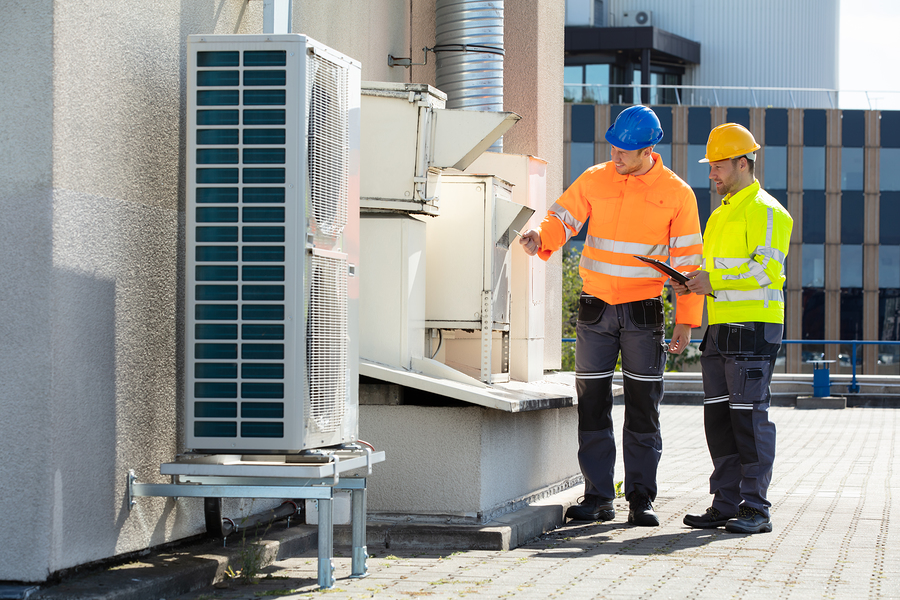
Your Heating, Ventilation, and Air Conditioning (HVAC) system is arguably one of the most critical components of your commercial property. It regulates temperature, controls humidity, and ensures air quality. When it fails, it affects every occupant immediately, often leading to complaints and even business interruptions.

Maintaining an HVAC system requires consistency. Filter changes are the simplest yet most impactful task. Clogged filters restrict airflow, forcing the system to work harder and consume more energy, which inevitably shortens its lifespan. Depending on your building’s usage and location, filters may need changing monthly or quarterly.

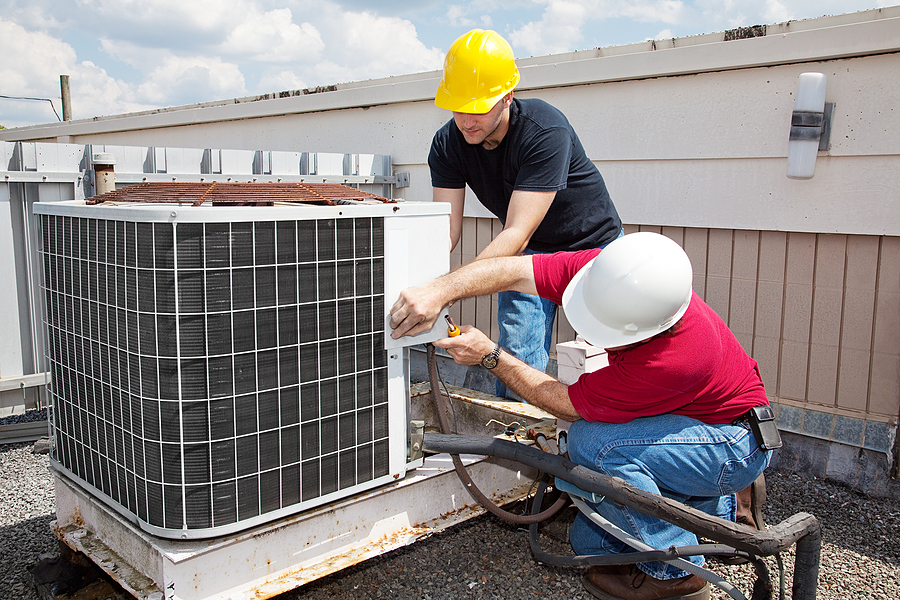
Beyond filters, schedule professional tune-ups at least twice a year—once before the cooling season and once before the heating season. Technicians can clean coils, check refrigerant levels, and inspect electrical connections. These tune-ups ensure your system runs at peak efficiency, keeping utility bills in check.

 Neglecting this maintenance often leads to “sick building syndrome,” where poor air quality causes health issues for tenants, a liability no property owner wants to face.

Request a Commercial General Contractor Meeting

Landscaping: More Than Just Curb Appeal

First impressions are powerful, and for a commercial property, that impression starts at the curb. Landscaping is often dismissed as purely aesthetic, but it plays a functional role in property maintenance as well. Overgrown vegetation isn’t just unsightly; it can hide security risks, pest infestations, and even damage the building itself.

Tree roots, for example, are notorious for invading sewer lines or lifting pavement, creating tripping hazards and costly plumbing repairs. Branches hanging too close to the roof can scrape against shingles during storms or provide a bridge for rodents to enter the attic.

Smart landscaping maintenance involves regular pruning to keep vegetation away from the structure. It also includes monitoring drainage. Poorly graded soil or clogged gutters can cause water to pool around the foundation, leading to cracks and water damage over time. Ensure that downspouts direct water away from the building and that sprinkler systems are not spraying directly onto the facade.

By managing the exterior environment, you protect the interior integrity of your investment.

Plumbing: preventing Water Damage Disasters

Water is the enemy of buildings. A small, undetected leak can rot wood, corrode metal, and encourage mold growth, causing extensive damage that is often not covered by insurance if deemed “gradual.” Plumbing maintenance is, therefore, less about convenience and more about asset protection.

Routine checks should focus on high-risk areas. Inspect restrooms for running toilets or dripping faucets. A single leaking toilet can waste thousands of gallons of water a month, driving up utility costs. In break rooms or kitchens, check under sinks for signs of moisture and ensure drains are flowing freely.

Don’t forget the unseen elements. Water heaters need flushing annually to remove sediment buildup that can cause corrosion and reduce efficiency. Backflow preventers should be tested regularly to ensure contaminated water doesn’t enter the potable water supply—a serious health and safety violation. Winterizing exterior pipes is also crucial in colder climates to prevent bursts.

Taking these small steps can save you from the nightmare of a flooded building and the subsequent remediation costs.

Electrical Systems: Prioritizing Safety and Compliance

Electrical maintenance is strictly a matter of safety. Faulty wiring is a leading cause of commercial fires, and non-compliance with electrical codes can result in hefty fines or insurance complications. Unlike a dripping tap, electrical issues are often silent and invisible until they cause a failure.

Regularly inspecting your electrical panels is a good starting point. Look for signs of overheating, such as discoloration or a burning smell. Ensure that panels are accessible and not blocked by storage, as this is a common fire code violation.

Test emergency lighting and exit signs monthly. In the event of a power outage or fire, these systems are vital for guiding occupants to safety. Additionally, encourage tenants to report issues like flickering lights or tripping breakers immediately, as these can indicate overloaded circuits or loose wiring. Hiring a licensed electrician to conduct a thermographic scan every few years is a proactive way to identify “hot spots” inside walls or panels before they spark a fire.

In Summary

Smart maintenance is not about fixing things when they break; it is about preventing them from breaking in the first place. By focusing on regular inspections and giving due attention to your HVAC, landscaping, plumbing, and electrical systems, you are doing more than just “keeping the lights on.” You are preserving the capital value of your property, ensuring the safety of your tenants, and minimizing unexpected expenses.

A well-maintained building is a resilient one, capable of weathering storms—both literal and economic. It stands as a testament to professional management and care.

If managing these maintenance tasks feels overwhelming, or if your property is ready for a more significant update, professional help is invaluable. For top-tier commercial renovations and general contracting in Indianapolis, trust the experts who understand the nuances of keeping a business running smoothly while improvements are made. Contact Us Today to discuss how we can help you maintain and enhance your commercial investment.

Call Now to Schedule an Assessment

Related Post: The Ultimate Guide to Commercial Property Maintenance: Protecting Your Investment
The Ultimate Guide to Commercial Property Maintenance: Protecting Your Investment
Owning or managing a commercial property is a significant responsibility. Beyond the day-to-day operations, the long-term health and value of your asset depend on consistent, proactive care. Neglecting building maintenance can lead to a cascade of problems, from unhappy tenants and safety hazards to expensive, emergency repairs. A well-executed preventative maintenance plan is not just about fixing what’s broken; it’s a strategic approach to protect your investment and maximize your commercial property ROI.

This guide provides a comprehensive overview of preventative maintenance for commercial properties. We will cover the essential checks and tasks for your building’s core systems—from HVAC and plumbing to fire safety and exterior care. Understanding these elements will help you create a robust maintenance schedule that saves money, enhances safety, and keeps your property in prime condition for years to come.

Call BAF Corporation at 317-253-0531 for Local Commercial Construction Services in Indianapolis

Commercial Maintenance and Preventative Care

Keep Your Cool: HVAC System Maintenance

A building’s heating, ventilation, and air conditioning (HVAC) system is the heart of its daily operations, directly impacting tenant comfort and energy consumption. An inefficient system not only leads to complaints but also drives up utility bills. Regular commercial facility maintenance for your HVAC system is crucial.

Key tasks include:

  • Filter Changes: Replace filters at least quarterly to ensure clean airflow and reduce strain on the system.
  • Coil Cleaning: Annually clean evaporator and condenser coils to maintain efficiency.
  • Duct Inspections: Check for leaks in ductwork, which can lead to significant energy loss.
  • Professional Tune-Ups: Schedule semi-annual inspections with a certified technician to check refrigerant levels, test electrical components, and ensure the system operates safely and efficiently.

Following these steps helps you comply with regulations regarding energy efficiency and emissions and improves your property’s indoor air quality—a growing priority for many tenants.

Go with the Flow: Plumbing Maintenance

Water damage from a seemingly minor plumbing issue can quickly escalate into a costly disaster, causing structural damage and potential mold growth. Proactive plumbing maintenance is essential for preventing such emergencies.

Regular plumbing checks should involve:

  • Leak Inspections: Regularly inspect pipes, fixtures, and faucets for any signs of leaks or corrosion.
  • Drain Cleaning: Clear drains to prevent clogs and backups, especially in high-use areas like restrooms and kitchens.
  • Water Pressure Checks: Test water pressure to ensure it’s within a safe range, as high pressure can stress pipes and fixtures.
  • Water Heater Maintenance: Annually inspect and flush water heaters to remove sediment buildup, which extends their lifespan and improves efficiency.

Request a Bid for Construction Management Today!

Stay Powered Up: Electrical System Maintenance

A building’s electrical system is its central nervous system, and malfunctions can pose serious fire risks and cause significant operational downtime. Regular building maintenance of electrical components is a non-negotiable safety requirement.

Important tasks for your electrical system include:

  • Wiring and Outlet Inspections: Periodically check for frayed wires, loose connections, and damaged outlets.
  • GFCI Outlet Testing: Regularly test Ground Fault Circuit Interrupter (GFCI) outlets in kitchens, bathrooms, and outdoor areas to ensure they function correctly.
  • Breaker Replacement: Replace faulty or outdated circuit breakers to prevent overloads.
  • Proper Grounding: Ensure all electrical systems are properly grounded to protect against power surges and reduce the risk of electrocution. Adhering to OSHA guidelines during these checks is vital for workplace safety.

Raise the Roof: Proactive Roof Maintenance

Your property’s roof is its first line of defense against the elements. Even small leaks or minor damage can lead to major interior issues if left unaddressed. Consistent roof inspections can save you from expensive water damage and structural repairs down the line.

A thorough roof maintenance plan includes:

  • Damage Inspections: After major storms and at least twice a year, inspect the roof for missing shingles, cracks, or blisters.
  • Debris Removal: Clear leaves, branches, and other debris from the roof surface, gutters, and downspouts to prevent water pooling.
  • Drainage Checks: Ensure all drainage systems are clear and functioning correctly to prevent water from backing up.
  • Resealing: Check and reseal flashing around vents, skylights, and chimneys as needed to prevent water intrusion.

First Impressions: Landscaping and Exterior Care

The exterior of your property is the first thing tenants and visitors see. A well-maintained landscape and facade not only boost curb appeal but also contribute to the overall value and safety of your property.

Exterior maintenance tasks should cover:

  • Landscaping: Implement regular lawn care, tree trimming, and weed control. Ensure irrigation systems are efficient and in good repair to conserve water.
  • Exterior Walls: Inspect siding and facades for cracks, water damage, or pest infestations.
  • Pest Control: Engage professional pest control services for preventative treatments to avoid infestations.
  • Security Systems: Routinely check that security cameras, alarm systems, and access controls are fully operational.
  • Parking Lots and Walkways: Repair cracks and potholes in parking lots and ensure walkways are clear and safe, in compliance with ADA accessibility standards.

Stay Ahead: Renovations and Fire Safety Upgrades

Keeping your property modern and compliant is a key part of commercial property maintenance. This includes planning for commercial renovations and ensuring your life-safety systems are up to date.

A fire suppression system upgrade is particularly critical. Regular inspections of fire extinguishers, sprinkler systems, and fire alarms are required by local building codes. An outdated system not only puts lives at risk but also exposes you to significant legal and financial liability.

Beyond fire safety, consider other upgrades to enhance your property. Smart building technologies, such as IoT sensors for predictive maintenance, can provide real-time data to help you address issues before they become problems. Energy-efficient upgrades and sustainable maintenance practices can also reduce operational costs and appeal to environmentally conscious tenants.

Frequently Asked Questions

Why is preventative maintenance so important for commercial properties?

Preventative maintenance is crucial because it helps identify and fix small issues before they escalate into major, costly repairs. It enhances tenant safety and satisfaction, extends the life of critical systems like HVAC and plumbing, ensures regulatory compliance, and ultimately increases your commercial property ROI by preserving its value and reducing operational downtime.

How often should I perform maintenance on my commercial property?

The frequency depends on the system. For example, HVAC filters should be changed quarterly, while a professional tune-up is recommended semi-annually. Roofs and electrical systems should be inspected at least twice a year and after major weather events. A customized maintenance schedule based on your property’s specific needs is the best approach.

What are some industry trends in commercial property maintenance?

Current trends include adopting sustainable practices like using eco-friendly products, integrating smart building technologies with IoT sensors for predictive maintenance, and using drones for remote inspections. There is also a greater focus on improving indoor air quality through advanced HVAC systems and incorporating green spaces like green roofs.

How can preventative maintenance help with budgeting?

Preventative maintenance makes costs more predictable. Instead of facing large, unexpected bills for emergency repairs, you can budget for scheduled maintenance tasks. This allows for better financial planning and a more stable operational budget.

Key Takeaways

Consistent preventative maintenance is the most effective strategy for protecting your commercial property’s value and ensuring its long-term success. By addressing small issues before they become major problems, you reduce costly repairs, extend the lifespan of your equipment, and create a safer, more satisfying environment for your tenants. This proactive approach not only minimizes unexpected downtime but also allows for more predictable budgeting and financial planning, ultimately boosting your commercial property ROI.

Don’t wait for an emergency to think about maintenance. Contact us today for a quote and let our team help you develop a comprehensive maintenance plan tailored to your property’s unique needs.

Call Now to Get Started

Related Post: General Contractor Advice for Commercial Building Repairs and Maintenance

The Importance of Commercial Air Duct Maintenance

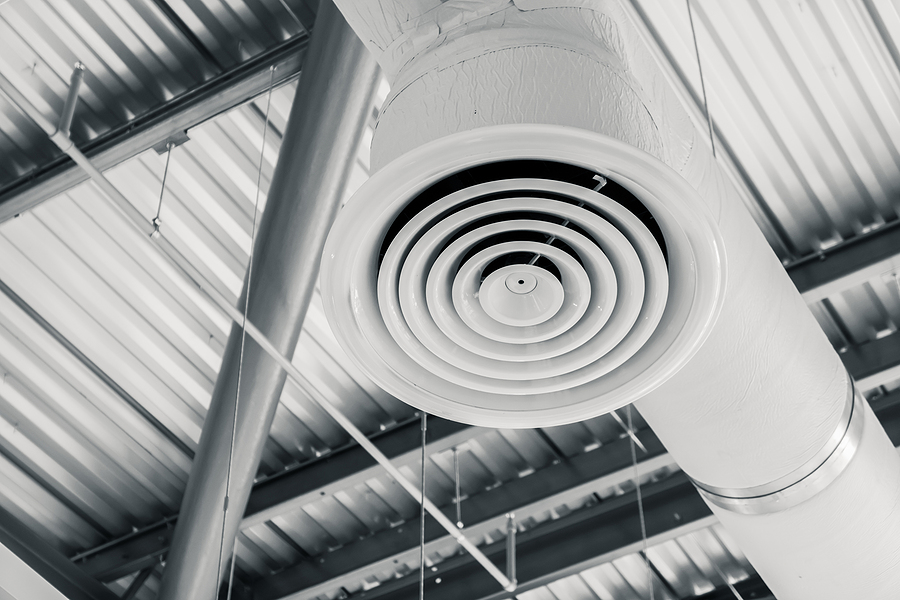
Although we might like to think the air we breathe indoors every day is healthy and clean, we could not be more wrong. The average indoor air quality of a building is less clean than the air outdoors! There are many more reasons other than this alarming fact that many commercial proprietors are on top of routine facility maintenance. After all, commercial building owners are accountable for the indoor air quality of their establishments, and have a responsibility to improve air ventilation and air quality within their properties. An effective method to ensure optimal indoor air quality in your commercial property is through regular air duct and vent cleaning services.

Continue reading to learn the advantages of commercial air duct and vent cleaning services, as well as who to enlist for the job.

Indianapolis Commercial Facility Maintenance
Indianapolis Commercial Facility Maintenance 317-253-0531

Air Duct Cleaning for Commercial Properties

Staff, visitors, and general public have a right to breathe air in a healthy atmosphere, and commercial proprietors and owners should want it that way. This is because polluted air leads to sore throats, illnesses, colds, allergies, headaches, fatigue, and higher employee downtime. To ensure a commercial building’s indoor atmosphere is clean and safe, air duct and vent cleaning are mandatory. If this task is not done on a regular basis, ducts and vents begin to accumulate mass amounts of dirt, dust, pollen, dead skin, dust mites, debris, and other contaminants. These materials circulate through the air and indoor spaces every time the heating and cooling unit turns on. 

Overall, a dirty air ventilation and duct system poses two main problems for commercial building owners, the first being frequent health complications which lead to employee downtime, and the second being loss of energy efficiency, which leads to higher energy costs. These two reasons alone are convincing enough to motivate a commercial property owner to have their air ducts and vents cleaned on a regular basis. It is recommended to have a commercial air duct and ventilation system cleaning and inspected on a biannual basis. For larger properties, this may be more frequent.

Who to Hire for Commercial Duct Cleaning Facility Maintenance

Your commercial construction general contracting team is the best choice for outsourcing any type of facility maintenance, especially HVAC and air duct work. Although there are many reasons why you should use your commercial general contractor for facility maintenance, the primary reason is because they are the professionals who built or remodeled your commercial property, so they know the intimate and personal details involved with all the processes, systems, operations, materials, and more. This intimate knowledge streamlines any needed maintenance or repair, thus saving you time and money.

Where to Get Professional Commercial Facility Management in Indiana

Contact BAF Corporation at 317-253-0531 for professional commercial facility maintenance services in Indianapolis, Indiana. From the most basic, single-story office, to the most complex warehouse facility, our commercial facility maintenance contractors retain the proper resources and technologies to sustain all systems and structures within any building. Contact us today to request free information or to schedule a consultation.

Indianapolis Commercial General Contracting and Design Build Services
Contact Us Today 317-253-0531

What Facility Maintenance Services Can Do for Your Business’s Post-Construction Needs

Post construction, a new commercial property owner will eventually need to strategize a plan for their building’s maintenance, repair, cleaning, and landscaping needs. Fortunately, commercial property owners can get all those needs met from just one single source. By hiring a trusted and experienced commercial construction management company, you can meet all of your business’s design and build needs, as well as its post-occupancy maintenance and facility management requirements.

Continue reading to learn how facility maintenance services can benefit your business after construction is complete, as well as, where to find the right commercial contractors to help you design and build your commercial property from the ground, up.

Indianapolis Facility Maintenance and Management
Indianapolis Facility Maintenance and Management 317-253-0531

Post-Occupancy Facility Maintenance

Post occupancy facility maintenance might seem like a job for an ordinary blue collar crew, but the reality is that facility maintenance technicians are highly-skilled, licensed and certified professionals who have acquired formal training and education in their line of work, and must complete high levels of rigorous and recurrent training and certifications to be inducted into the commercial facility maintenance industry. In fact, they must pass courses on everything from chemical safety and building codes, to electrical work, heavy machinery operation, and much more. They complete high levels of rigorous and recurrent training and certifications to be inducted into the commercial facility maintenance industry. 

Such staffs and jobs within a typical post-occupancy facility maintenance program might include custodians and janitors, maintenance crews, technicians, master plumbers, electricians, mechanical engineers, and similar fields. These professionals are typically outsourced by the commercial construction management company that designs and builds your property, but they are employed by larger facility management and maintenance companies.

Standard Services Within Facility Maintenance Program

Common facility maintenance services can include a wide range and scope of services, from electronic or mechanical system repairs and system updates, to routine building restorations, technology upgrades, cleaning, landscaping, sewage and septic repairs, master plumbing, and more. Such examples would be checking on electrical equipment and operations, inspecting mechanical equipment, painting, and repairing anything that may be defected, broken, or problematic. Maintenance crews and managers often times coordinate a flow of feedback from the other departments in the building on the functionality of everyone’s equipment and surroundings. Basically, facility maintenance services are meant to sustain all systems and structures within a commercial building or property.

Custodial and Landscaping Services

Common janitorial services provided by a commercial facility management company includes thorough cleaning of furniture, floors, carpets, windows, trash receptacles, dining areas, and other areas of a commercial property. Janitorial tasks can also include sanitizing, restroom cleaning, floor buffing, floor waxing, vacuuming, dusting, and more. Janitorial services can be endless depending on the type of services needed.

Landscaping is another commercial facility maintenance option that might be included in a post-occupancy program. Such services might include lawn care, tree care, mulching, flower bed arrangements, watering, fertilizing, and weed management.

Your One-Stop-Shop for Facility Maintenance Service

Outsourcing all of these services from different companies is a costly and invasive effort. Appointing in-house staff is also very costly when you consider hourly wages, overtime pay, vacation pay, insurance, and training time. The most economical route to take for your business’s post-occupancy needs is to hire a trusted commercial construction management company to be your single source of accountability for space planning, designing, building, and post-occupancy facility maintenance. See our blog, “Why Use Your Commercial General Contractor for Facility Maintenance” to learn why.

Indianapolis Facility Maintenance Services You Can Trust

Contact BAF Corporation at 317-253-0531 for professional commercial facility maintenance in Indianapolis, Indiana and its surrounding areas. Our building maintenance programs are guaranteed to preserve and improve function, utility, and ultimately, value. Choosing your commercial builders as your facility maintenance provider is highly beneficial because we already have insider knowledge about your business objectives and performance goals, which also allows us to better plan and budget your maintenance needs on a long-term scale. We serve all corporate, commercial, and industrial industries, and can get you started with a consultation as soon as today!

Indianapolis Commercial General Contracting and Design Build Services
Contact Us Today 317-253-0531