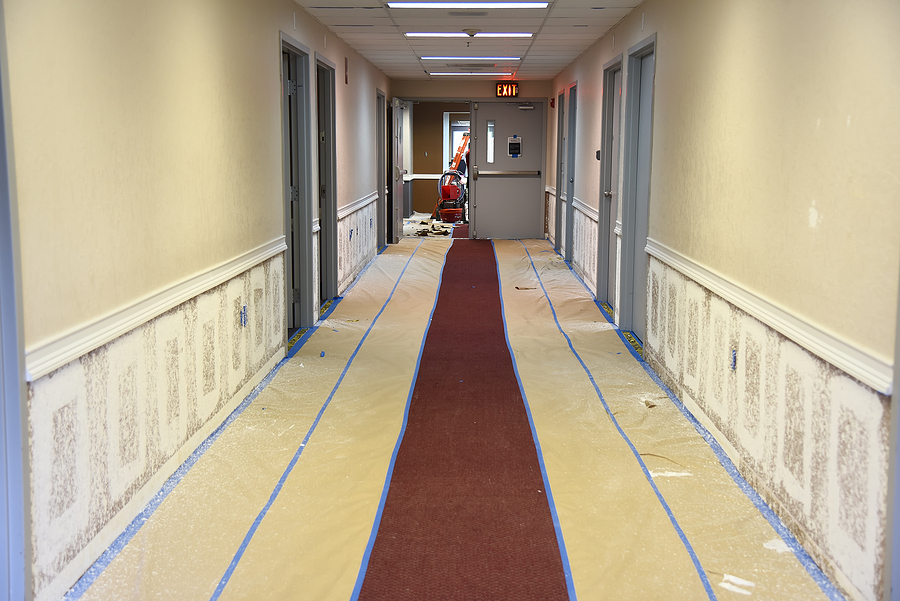
Embarking on a new commercial construction project is a significant milestone for any business. Whether you are expanding your current facility, renovating an office space to better suit your team, or breaking ground on a brand-new headquarters, the vision of the final result is always exciting. However, the path to that ribbon-cutting ceremony is paved with financial decisions that can make or break your budget.
Cost overruns are an unfortunate reality in the construction industry, but they are not inevitable. The difference between a project that spirals out of control and one that stays on track often comes down to the decisions made before the first hammer swings. By implementing strategic planning and maintaining rigorous oversight, business owners can protect their bottom line without sacrificing quality.

6 Construction Cost-Saving Strategies
Here are six essential cost-saving strategies to implement when hiring a commercial contractor.
1. Research and Planning: The Due Diligence Phase
The most expensive mistake a business owner can make is rushing the hiring process. Selecting the right partner is about more than just finding the lowest initial quote; it is about finding a contractor with a track record of fiscal responsibility and reliability.
Dig Deeper Than the Portfolio
While a portfolio of beautiful buildings is impressive, it doesn’t tell the whole story. You need to know if those projects were finished on time and on budget. When checking references, ask specific questions about the contractor’s financial management. Did they issue frequent change orders? How did they handle unexpected costs? Past behavior is the best predictor of future performance.
Verify Licenses and Insurance
Hiring an under-qualified contractor is a massive financial risk. Always verify that your potential contractor holds the necessary valid licenses. For specific trades in Indiana, for example, you can verify professional licenses through the state’s online verification portals.
Furthermore, never proceed without seeing a Certificate of Insurance (COI). According to construction risk management experts, a COI provides proof that the contractor carries valid liability policies. This protects your business from being held liable for job-related accidents or damages. If a contractor cannot produce a current COI, view it as a major red flag.
2. The Art of Obtaining Multiple Bids
Competition drives fair pricing. To ensure you are paying a fair market rate, obtain at least three comprehensive bids for your project. However, simply glancing at the bottom-line number is not enough.
Compare Apples to Apples
A significantly lower bid often indicates that a contractor has misunderstood the scope of work or has omitted necessary items that will reappear later as expensive “extras.” When reviewing bids, look at the line items carefully. Does Bid A include high-end finishes while Bid B assumes standard grade? Does one include site cleanup and waste removal while the other doesn’t?
Define the Scope Clearly
Ambiguity is the enemy of your budget. Ensure your request for proposal (RFP) is detailed and specific. The more accurate your initial scope, the more accurate the bids will be. When contractors have to guess what you want, they will either inflate the price to cover their risk or underbid and charge you for it later.
Speak With an Indy Commercial General Contractor Right Now ✅
3. Negotiate Contract Terms That Protect Your Wallet
The contract is your roadmap and your rulebook. A well-negotiated contract protects your interests and keeps payment aligned with progress.
Structure the Payment Schedule
Avoid paying large sums upfront. Instead, negotiate a payment schedule based on milestones. For example, a payment is released only when the foundation is poured, another when the framing is complete, and so on. This ensures the contractor is motivated to maintain progress and gives you leverage if work stalls.
Clarify the Change Order Process
Change orders—formal requests to alter the original scope of work—are the leading cause of budget inflation. According to the American Institute of Architects (AIA), change orders are often the most contentious part of construction.
To control this, your contract should stipulate that no extra work can proceed without your written approval and a distinct price tag attached. Avoid “time and materials” agreements for changes whenever possible; ask for a fixed price for the additional work.
4. Strategic Material Procurement
Materials often make up a massive chunk of the construction budget. While you generally want your contractor to handle logistics, there are ways to intervene and save money.
Value Engineering
Be open to “value engineering.” This is a process where you and your contractor look for alternative methods or materials that achieve the same function or aesthetic at a lower cost. For instance, high-quality luxury vinyl tile (LVT) can mimic the look of hardwood or stone at a fraction of the price and with higher durability for high-traffic commercial areas.
Owner-Furnished Materials
In some cases, you might save money by purchasing certain finish materials yourself—such as light fixtures, carpeting, or appliances—especially if you have access to trade discounts. However, discuss this with your contractor first. If you buy the wrong part or it arrives damaged, the delay could cost more in labor downtime than you saved on the purchase price.
5. Active Project Management
You cannot simply sign the contract and walk away. Active involvement is crucial for keeping costs down.
Regular Communication
Schedule weekly or bi-weekly site meetings. These check-ins allow you to see progress firsthand and answer questions immediately. When a contractor has to stop and wait for an answer, it costs time and money.
Monitor Progress Against the Schedule
Time is money in construction. Construction delays in one area can cause a ripple effect, pushing back subcontractors and extending the rental time for expensive equipment. By monitoring the schedule closely, you can identify potential bottlenecks early and work with your contractor to resolve them before they become expensive delays.
6. The Necessity of Contingency Planning
No matter how well you plan, construction is unpredictable. Weather delays, hidden structural issues in renovations, or supply chain shortages can happen.
Establish a Contingency Fund
Do not allocate every single dollar of your capital to the initial bid. Experts generally recommend setting aside a contingency fund of 5% to 10% of the total construction budget.
The AIA notes that owner contingency is essential for addressing risk-related issues like errors in construction documents or unknown site conditions. Having this fund means that when a surprise expense arises, it is an inconvenience rather than a disaster that halts the project. If the project goes smoothly and you don’t use it, that money stays in your pocket at the end.
BUILDING SMART IN INDIANAPOLIS
Construction doesn’t have to be a financial gamble. By rigorously vetting your partners, scrutinizing the scope of work, and maintaining strict contractual controls, you can build your new commercial space without breaking the bank.
If you are planning a commercial project in Indianapolis or the surrounding areas, you need a partner who values transparency as much as you do.
Ready to start your project on the right foot? Contact Our Team Today for a comprehensive quote on your Indianapolis commercial construction needs.
Related Post: 5 Cost-Saving Tips for Business Construction