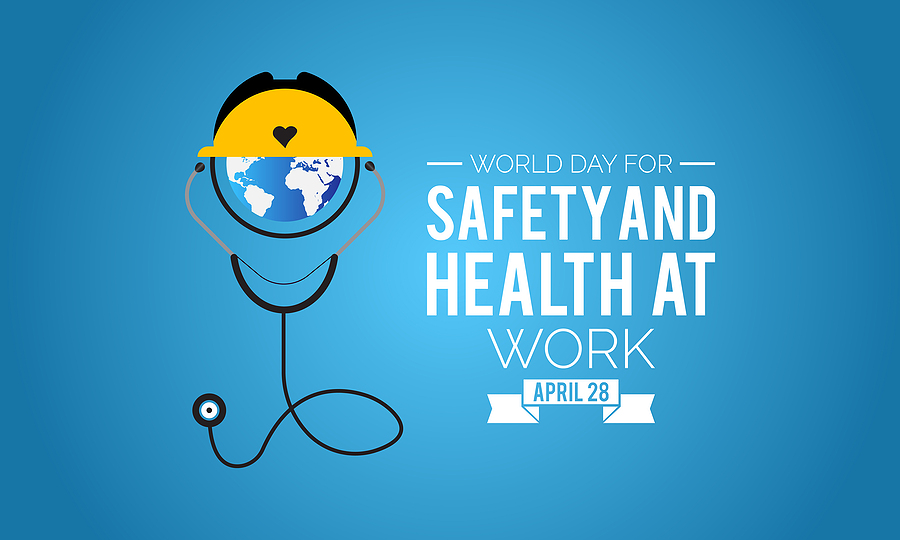
Going to work should never cost a person their health. Yet, occupational hazards remain a serious global issue, affecting millions of families each year. The annual World Day for Safety and Health at Work, observed on April 28, serves as a crucial reminder to prioritize accident prevention and disease management across all industries.
A safe working environment creates a foundation of trust and stability. When employees feel secure, they can perform their duties with confidence and focus. This observance highlights the shared responsibility between employers and workers to build resilient, hazard-free spaces that promote long-term well-being.
Reading this guide will equip you with essential strategies to improve your organizational safety culture. We will explore core principles of risk management, the human behaviors that drive safety, and the specific considerations required for high-risk industries like commercial construction.
The Foundation of Workplace Safety: Key Principles
A robust safety program requires proactive planning and consistent execution. Organizations must systematically address potential dangers before they result in harm.
Risk Assessment: Identifying Potential Hazards
The first step in any effective safety strategy involves a thorough risk assessment. Employers must carefully inspect the work environment to pinpoint anything that could cause injury or illness. This process requires evaluating physical hazards, chemical exposures, and ergonomic strains. By documenting these risks, companies can prioritize their safety interventions effectively.
Implementing Controls: Protecting Your Team
Once hazards are identified, management must take action to eliminate or minimize them. The hierarchy of controls provides a clear framework for this process. Removing the hazard entirely is the most effective approach. When elimination is impossible, employers should use engineering controls, such as installing physical barriers, or administrative controls, like rotating work schedules. Providing personal protective equipment serves as the final layer of defense.
Training and Education: Empowering Employees
Even the best safety equipment cannot replace proper education. Workers must receive comprehensive training on how to perform their tasks securely. This education should cover equipment operation, emergency response procedures, and hazard recognition. Regular refresher courses ensure that these critical skills remain sharp over time.
The Human Element: Fostering a Safety Culture
Rules and protocols only go so far. True workplace safety relies on the attitudes and behaviors of the people within the organization.
Leadership Buy-in: Setting the Tone
Safety starts at the top. When company leaders actively participate in safety initiatives, they send a clear message that employee well-being is a core corporate value. Executives and managers must model safe behaviors, allocate sufficient resources for training, and respond promptly to reported hazards.
Employee Engagement: Everyone Plays a Part
Workers are the eyes and ears of the operation. Encouraging employees to take ownership of their safety environment leads to better hazard detection and faster problem resolution. Engaging staff through safety committees and peer-recognition programs builds a collaborative atmosphere where everyone looks out for one another.
Communication: Open Dialogue for Safety
Clear and frequent communication prevents accidents. Employees must feel comfortable reporting near-misses and unsafe conditions without fear of retaliation. Establishing anonymous reporting channels and holding regular safety briefings keeps these vital conversations flowing freely.
Specific Industry Focus: Construction Safety Insights
The construction sector faces unique and significant risks. Heavy machinery, working at heights, and shifting site conditions demand specialized safety protocols.
Building a Safe Foundation
New commercial builds require rigorous site management. Ground-up construction involves coordinating multiple trades simultaneously, increasing the potential for accidents. Strict traffic control plans, rigorous fall protection standards, and daily site inspections are essential to keep these complex projects running securely.
Remodeling with Safety in Mind
Renovating an existing structure presents its own set of challenges. Workers often encounter hidden hazards like asbestos, outdated electrical wiring, or compromised load-bearing walls. Careful preliminary testing and phased demolition techniques help mitigate these risks, protecting both the construction crew and the surrounding community.
Legal and Ethical Imperatives: Compliance and Responsibility
Following safety regulations is a fundamental legal requirement. Government agencies enforce strict standards to ensure basic levels of worker protection. Failing to comply can result in severe fines, work stoppages, and criminal charges.
Beyond legal compliance, employers have a profound ethical duty to their staff. Providing a secure environment respects the dignity of the workforce. Companies that prioritize human health demonstrate a strong moral compass and a genuine commitment to their community.
The Benefits of a Safe Workplace: Beyond Compliance
Investing in safety yields substantial returns that extend far past simple regulatory adherence.
Increased Productivity and Morale
Healthy workers are productive workers. When employees operate in a secure environment, they experience less physical strain and psychological stress. This peace of mind translates directly into higher concentration levels, fewer errors, and a more positive workplace atmosphere.
Reduced Costs and Liability
Accidents are expensive. Medical bills, workers’ compensation claims, and legal fees drain corporate resources quickly. Furthermore, equipment damage and operational downtime compound these financial losses. Proactive safety measures dramatically reduce these direct and indirect costs.
Enhanced Reputation
A strong safety record attracts top talent and high-quality business partners. Clients prefer to work with reliable companies that manage risk effectively. Demonstrating a commitment to occupational health strengthens a brand’s public image and provides a distinct competitive advantage in the marketplace.
Frequently Asked Questions About Workplace Safety
What is the World Day for Safety and Health at Work?
Observed annually on April 28, this international campaign promotes safe, healthy, and decent work environments across the globe. It aims to raise awareness about occupational accidents and diseases.
How do annual themes influence workplace safety?
The International Labour Organization selects specific themes to highlight emerging global trends. For example, the 2025 theme focuses on the impact of artificial intelligence and digitalization in the workplace, while 2026 will center on creating healthy psychosocial working environments.
Why is safety culture particularly important in construction?
Construction sites feature constantly changing environments and high-risk activities like scaffolding work and heavy lifting. A strong safety culture ensures that workers remain vigilant and communicative, significantly lowering the risk of severe injuries.
A Commitment to a Safer Tomorrow
Protecting employee health requires daily dedication and clear strategic planning. By prioritizing risk assessment, fostering open communication, and adhering to strict industry standards, organizations can build environments where every worker returns home safely at the end of the day.
For commercial construction and remodeling in Indianapolis, Indiana, BAF is your one-stop-shop. Our team is fully committed to delivering high-quality projects while maintaining the highest standards of safety for our workforce and clients alike.
Related Post: World Day for Safety and Health at Work: Essential Guide to Staying Safe in the Workplace