
Seeing your commercial property flooded is a distressing experience. Watching water cover your floors, damage equipment, and halt your daily operations brings a sudden wave of stress. Water intrusion is a serious condition that can cause long-term structural harm and pose severe health risks if not addressed immediately.
Prompt and effective remediation is critical to minimizing these losses. In Indiana alone, there were 65 flooding or heavy rain events in 2024. Furthermore, buildings in Indianapolis face a 38% chance of experiencing a flood over 1.3 feet deep within a 30-year span. Quick intervention stops the spread of moisture, reduces overall repair costs, and significantly limits the potential for hazardous mold growth.
Knowing exactly what happens during the flooded building remediation process can bring peace of mind during a chaotic time. This guide explains the step-by-step actions required to bring your property back to life, from the initial safety checks to the final structural repairs.
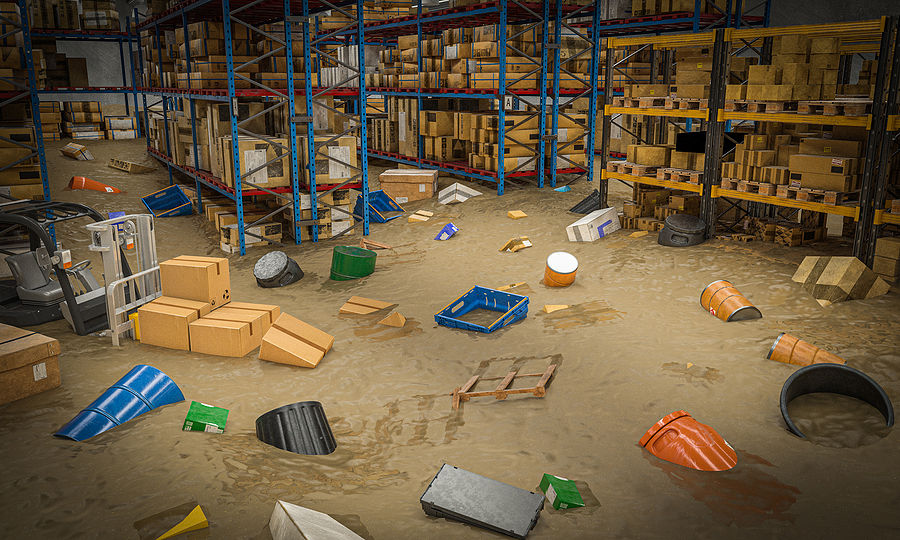
Immediate Steps After a Property Flood
Before the professionals arrive, your initial actions play a massive role in limiting the disaster.
Prioritizing Safety First
Your absolute first priority is safety. Standing water mixed with commercial electrical systems is incredibly dangerous. Turn off the main power and gas supply to the building if you can do so without stepping into the water. If the structural integrity looks compromised—such as severely sagging ceilings or bowing walls—evacuate the premises immediately and wait for experts.
Contacting Insurance and Documenting Damage
Once everyone is safe, call your insurance provider. Take extensive photos and videos of the standing water, damaged materials, and impacted inventory. This evidence is vital for filing an accurate claim later. Do not throw anything away until the insurance adjuster has evaluated the site.
Stopping the Water Source
If the flooding is caused by an internal issue like a burst pipe or broken appliance, locate the main water shut-off valve and turn it off. If the flood stems from a natural disaster or severe weather, you will unfortunately have to wait until the weather subsides and the water stops rising.
The Professional Water Damage Restoration Process
When the professionals arrive, they follow a systematic approach to mitigate the loss and restore your space safely.
Assessment and Inspection
First, technicians evaluate the extent of the damage. They identify the water’s source and categorize the contamination level. Category 1 is clean water from sanitary sources, Category 2 is gray water with some contaminants, and Category 3 is highly hazardous black water, such as a sewage backup or raw floodwater. They also assess the class of water damage—ranging from Class 1 (minimal absorption) to Class 4 (deeply embedded in dense materials like concrete and brick).
Water Extraction
The team will use high-powered industrial pumps and heavy-duty wet vacuums to remove all standing water. Getting this liquid out quickly is essential, as it drastically reduces the time needed for the remaining materials to dry and stops further saturation of porous structures like drywall and carpeting.
Drying and Dehumidification
Even when a floor looks dry, moisture hides deep within walls and subfloors. Professionals use commercial-grade air movers and dehumidifiers to pull trapped moisture out of the environment. Technicians monitor the property with hygrometers and thermal imaging cameras daily to ensure humidity levels return to a normal, safe baseline, stopping mold before it starts.
Cleaning and Sanitizing
Floods bring dirt, debris, and dangerous bacteria into your workspace. Restoration crews thoroughly clean all salvageable surfaces. If dealing with Category 3 black water, they apply potent antimicrobial and sanitizing solutions to protect your staff and customers from future illness.
Structural Repairs and Restoration
Once the space is entirely dry and sanitized, the actual rebuilding begins. This is where partnering with a skilled commercial general contractor becomes invaluable.
Assessing Structural Damage
A local commercial general contractor will carefully inspect the foundation, framing, walls, and flooring. Prolonged exposure to water can warp wood, weaken concrete, and ruin insulation. They will map out exactly what elements can be saved and what must be completely replaced to meet building codes and ensure safety.
Repairing or Replacing Damaged Materials
Technicians tear out the unsalvageable parts. This often means removing drywall below the flood line, tearing up ruined carpet padding, and discarding compromised insulation. Quality contractors ensure these foundational elements are rebuilt using durable, code-compliant materials.
Rebuilding and Finishing
The final phase returns your property to its pre-flood condition. This includes hanging new drywall, laying fresh commercial flooring, applying new coats of paint, and reinstalling any removed baseboards or trim. The goal is to make it look as though the flood never even happened.
Preventing Future Floods
While you cannot control the weather, you can fortify your commercial property against future water emergencies.
Regular Maintenance and Inspections
Schedule routine checks of your building’s plumbing, roofing, and HVAC systems. Catching a small leak or a worn-out pipe early prevents catastrophic failures down the road.
Improving Drainage and Landscaping
Examine how water flows around your building’s exterior. Ensure gutters remain clear and direct water far away from the foundation. Grading the landscaping so that the ground slopes away from your property can also prevent heavy rains from pooling near your entrances.
Installing Flood Detection Systems
Consider adding smart water leak detectors near major plumbing fixtures, water heaters, and in the basement. These devices send instant alerts to your phone if they detect unwanted moisture, allowing you to shut off the water long before a minor leak becomes a major flood.
Frequently Asked Questions
How long does flood remediation take?
The timeline heavily depends on the severity of the damage. Water extraction and drying usually take three to five days. However, the subsequent structural repairs and rebuilding can take several weeks, depending on the availability of materials and the scope of the reconstruction.
Will my insurance cover flood damage?
Commercial property insurance often covers sudden and accidental internal water damage, like a burst pipe. However, flooding caused by natural disasters usually requires a separate commercial flood insurance policy. Always review your specific policy details with your agent.
What about mold after a flood?
Mold can begin growing within 24 to 48 hours of water exposure. Professional extraction and commercial dehumidification are your best defenses. If mold does appear, the remediation team will use specialized containment and HEPA filtration processes to remove it safely.
Restoring Your Building with Confidence
A commercial flood disrupts your business, but the recovery process doesn’t have to be a nightmare. By prioritizing safety, acting quickly to stop the water, and leaning on professionals for extraction and drying, you mitigate the worst of the damage.
Partnering with an experienced team ensures that the structural repairs are done correctly, returning your property to a safe, welcoming environment.
If you are dealing with a water emergency and need comprehensive flooded building remediation in Indianapolis, Indiana, do not wait. Book a consultation with a commercial general contractor today to get your business back on track.
Related Post: Construction in Flood Zones: How Planning Turns Challenges into Opportunities